There is a special kind of betrayal in watching a dog carefully eat the cheese around a tablet, then leave the medicine sitting on the floor. Homemade dog pill pockets can make that daily struggle easier, especially when your newly adopted dog already thinks every unusual object is suspicious. I have made these for nervous fosters, senior dogs, and one exceptionally determined terrier who could detect a crushed tablet through an entire meatball.
The goal is not to create a gourmet treat. It is to make a soft, moldable covering that smells good, stays sealed around the medication, and uses ingredients your dog already tolerates. Before starting, confirm with your veterinarian that the pill can be given with food. Some medications need an empty stomach, must not be crushed, or should not be split.
A simple three-ingredient pill pocket recipe
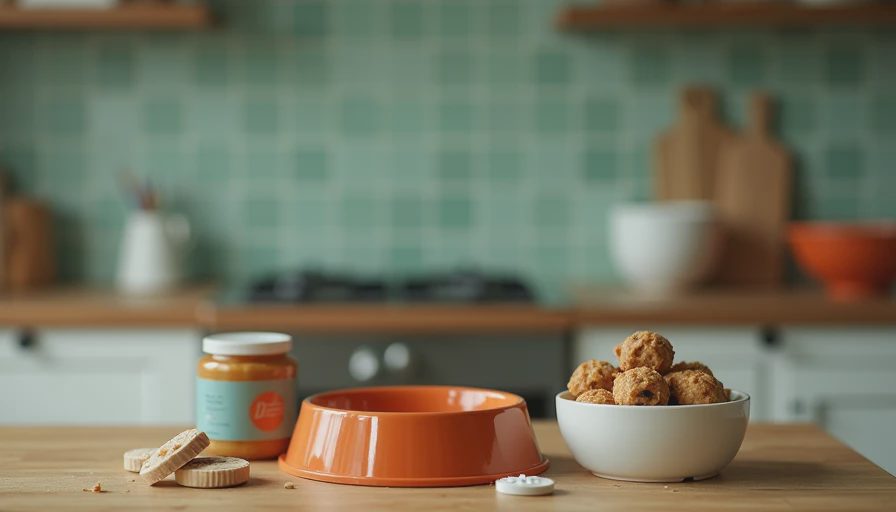
For a basic batch of homemade dog pill pockets, combine one tablespoon of smooth peanut butter, two tablespoons of plain canned pumpkin, and three to five tablespoons of oat flour. Stir until the mixture becomes soft but not sticky. If it feels wet, add oat flour one teaspoon at a time. If it crumbles when pressed, add a small dab of pumpkin.
Use peanut butter without xylitol, also called birch sugar. Xylitol is dangerous to dogs, even in small amounts. Read the ingredient label every time because formulations can change. Plain pumpkin should contain pumpkin only, not sugar, spices, or pie filling. Oat flour is easy to make by pulsing plain rolled oats in a food processor, although a store-bought, unflavored oat flour works too.
Pinch off a piece about the size of a pea for a small tablet or a marble for a larger one. Flatten it, place the pill in the middle, and pinch the edges completely closed. Roll it between your fingers until no medicine is visible. Make the pocket only slightly larger than the pill; oversized treats teach a clever dog to chew and investigate.
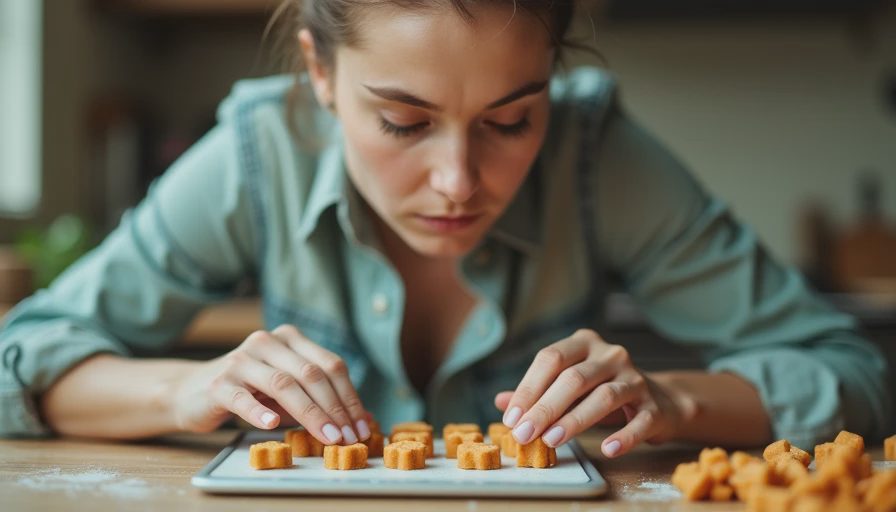
Refrigerate the finished pockets for 20 to 30 minutes before serving. Chilling firms the surface and makes sealing easier. Store them in an airtight container in the refrigerator and use them within several days. For longer storage, freeze individual pockets on a plate, then transfer them to a freezer bag. Thaw one portion at a time and discard any pocket that smells sour, looks moldy, or has changed texture.
Other homemade dog pill pockets worth trying
Not every dog likes peanut butter, and some dogs have allergies or sensitive stomachs. For homemade dog pill pockets with a savory smell, mix cooked, unseasoned ground turkey with a little mashed sweet potato and enough oat flour to bind it. Let the turkey cool completely before molding it around a tablet. Do not add onion, garlic, gravy, or seasoned leftovers.
A small amount of plain cream cheese can work for dogs that love dairy, but use it sparingly. Rich foods can cause stomach upset, and some dogs do not digest lactose well. Another option is canned dog food mixed with powdered oats until it becomes dough-like. This is especially useful for a dog who already eats that food enthusiastically because the familiar smell attracts less suspicion.
For a soft, low-ingredient version, try mashed sweet potato with oat flour. It will not hide a strong-smelling capsule as well as meat or peanut butter, but it can be practical for a dog taking a mild-tasting tablet. Homemade dog pill pockets should always be made from foods your dog has eaten safely before. Medication time is not the moment to test a brand-new ingredient.
How to get a suspicious dog to swallow the medicine
The first trick is to practice without medicine. Offer one plain piece, praise the dog calmly, and move on. Then give a second plain piece. On the third attempt, use the pocket containing the pill. Follow it immediately with another plain treat. This sequence creates a quick swallow instead of giving the dog time to stand in the kitchen and conduct an investigation.
Keep your movements ordinary. If you suddenly whisper, hover, or reach for the refrigerator like you are defusing a bomb, your dog will notice. I have had better luck preparing three pieces on a plate, turning away from the counter, and offering them in a cheerful but boring rhythm. Do not force a pill into a mouthful of food if the dog is frightened or likely to bite. Ask your veterinarian or a veterinary technician for a safer technique.
Some dogs swallow soft homemade dog pill pockets whole, while others chew everything. For a chewer, make the covering thinner and use a strong-smelling food such as plain turkey. You can also ask whether the medication comes in a flavored liquid, capsule, transdermal form, or another version. Never open a capsule or crush a tablet unless your veterinary team says that is safe.
Mistakes that make pill pockets fail
The most common mistake is using too much dough. A huge ball looks like a snack but gives the dog plenty of time to bite through it. Another is putting the medicine into a hot mixture. Heat can affect some medications, and warmth also makes the covering sticky and difficult to close.
Avoid hiding pills in foods that are toxic or needlessly rich. Chocolate, grapes, raisins, macadamia nuts, onions, garlic, and xylitol-containing products do not belong in any treat. Bacon grease and heavily seasoned meat can trigger digestive trouble. Even safe ingredients can be a problem when a dog has pancreatitis, food allergies, kidney disease, or a prescription diet, so ask your veterinarian when those conditions apply.
Do not assume a dog swallowed the pill because the pocket disappeared. Watch for spitting, licking, or a tablet on the floor. If the dose comes back up, call the prescribing clinic before giving another one. Doubling a dose can be dangerous with many medications, including some pain medicines and heart drugs.
Making medication less stressful for rescue dogs
A recently adopted dog may already be coping with a new home, strange sounds, unfamiliar handling, and a disrupted routine. Adding a dramatic pill battle can make future care harder. Give homemade dog pill pockets in the same quiet place and around the same time each day. Pair the routine with something pleasant, such as a short sniff walk or a nap on a familiar blanket.
If your dog refuses food altogether, hides, vomits repeatedly, or seems painful, the problem is bigger than a treat recipe. Call the vet rather than trying increasingly tempting foods. A medication plan can often be adjusted, but the clinic needs accurate information about what was swallowed and when.
The best homemade dog pill pockets are small, safe, and boringly reliable. Keep a few ingredients on hand, label the container, and practice the routine before the next dose is urgent. Some days the win will be a perfectly swallowed tablet; other days it will be calling for help instead of turning dinner into a wrestling match. Every good dog was once someone's "too much," and medication practice is one more way to show a worried dog that care does not have to be frightening.
Letters
No letters yet. Yours could be the first.