If you are staring at an adoption application and wondering whether you can help without permanently adding another animal to your household, learning the pros and cons of fostering is a smart place to begin. Fostering is not a test of whether you are generous enough. It is a practical arrangement: you provide a temporary home, while a rescue or shelter usually handles adoption screening, veterinary care, and finding the right permanent placement. The details differ by organization, but the emotional work is real everywhere.
I have fostered dogs and cats in spare bedrooms, laundry rooms, and one memorable bathroom that smelled like puppy food for three weeks. Some placements were easy. Others involved midnight diarrhea, shredded blankets, or a dog who treated every doorway like a personal emergency. Here is the honest version of what you are signing up for.
The biggest benefits of fostering
The clearest benefit is that fostering gives an animal a break from shelter stress. A quiet living room can reveal whether a dog is house-trained, whether a cat enjoys being handled, or whether an apparently shut-down animal simply needs sleep. Those observations help adopters make better decisions than a ten-minute kennel visit can.
Fostering also lets you learn what kind of animal fits your life. A first-time foster might discover that an adult dog is a better match than a puppy, or that a confident cat works better than a nervous one. You can practice crate routines, leash skills, medication, and introductions without making a lifelong commitment on day one.
There is a personal reward that is difficult to explain until you see it happen. A dog who would not lift his head on Monday may be carrying a toy by Friday. A cat hiding behind the washing machine may eventually sleep beside your feet. The progress is often unglamorous, but it is real. Every good dog was once someone's "too much."
Fostering can also be a practical way to help when adoption is impossible. Rent restrictions, a full pet household, travel plans, or a tight budget do not erase your ability to make a difference for a few weeks.
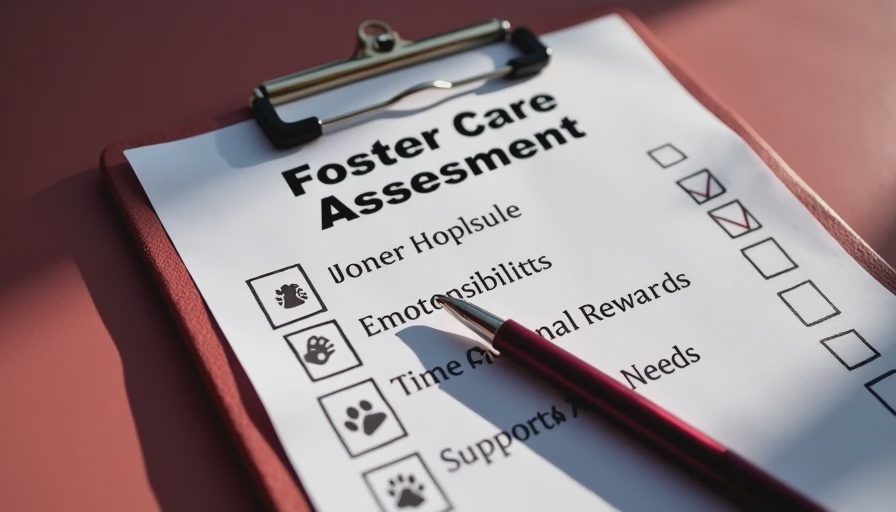
The hard parts people underestimate
The difficult side of the pros and cons of fostering is not usually the food bill. It is disruption. Your schedule may revolve around potty breaks, decompression, medication, or a dog who cannot yet be left alone. A foster animal can make errands harder and spontaneous weekends nearly impossible. If your current pets need a predictable routine, a new arrival can unsettle the whole house.
Behavior is another serious consideration. A frightened animal may bark, hide, guard food, bolt through an open door, or react badly to strangers. Even a friendly dog may have no idea how to live in a home. You need secure gates, identification tags, a separate introduction space, and a plan for the first 72 hours. Do not assume affection will solve fear or aggression.
There can be expenses, too. Many rescues provide food, crates, medications, and veterinary treatment, but policies vary. You might still spend $20 to $60 on a better leash, washable blankets, enrichment toys, or replacement pee pads. Ask who pays for urgent care before accepting a placement, and get the rescue's emergency phone number in writing.
Then comes the goodbye. This is where the pros and cons of fostering become intensely personal. You can know an animal belongs with another family and still cry when the empty crate is folded away. Feeling sad does not mean you made the wrong choice. It means the animal mattered to you.
Foster failure is common, but it is not required
People use "foster fail" playfully when they adopt the animal they intended to place. Sometimes that is exactly the right outcome. Sometimes it creates an overcrowded home, financial stress, or tension with existing pets. Neither choice makes you more or less compassionate.
Before bringing an animal home, decide what your household can truly support. Count current pets, daily work hours, transportation, outdoor space, and money for an unexpected $300 veterinary visit. If adopting the foster would put your rent, marriage, or resident animals under pressure, an adoption plan should not be made in the emotional glow of the first week.
A written plan helps. Ask your partner what happens if the foster needs six months instead of six weeks. Ask who handles morning walks and whether your landlord allows the animal. Knowing your limits protects both you and the rescue. One honest no is more useful than an overwhelmed yes followed by an emergency surrender.
How to choose a manageable first placement
The pros and cons of fostering look very different depending on the animal. For a first placement, request a pet whose needs match your experience rather than choosing the saddest story. A calm adult dog with known household behavior may be easier than a young puppy. A healthy, social cat may be a better starting point than a litter of bottle babies.
Tell the coordinator the truth about your home. Mention resident pets, children who visit, stairs, fencing, work shifts, and noise sensitivity. Ask whether the animal has lived with other pets, ridden in a car, used a crate, or shown guarding behavior. “Unknown” is not automatically bad, but it should affect your preparation.
You can also ask for a short-term or respite placement. Some volunteers cover a weekend while another foster travels. That gives you useful information without immediately committing to an open-ended arrangement. A good rescue should appreciate honest boundaries, not pressure you with guilt.

What support should look like
A responsible organization should explain medical coverage, emergency procedures, adoption communication, and what happens if the match fails. You should know whether the animal can visit a veterinarian without prior approval, who supplies medication, and whether adoption meet-and-greets happen in your home or elsewhere.
Support does not mean a coordinator can remove every inconvenience. You may still need to send clear photos, describe habits, attend an adoption event, or answer questions from interested families. However, you should not be left alone with a dangerous behavior problem or an untreated medical issue. The pros and cons of fostering are much easier to manage when communication is prompt and respectful.
Take photos in ordinary settings: resting beside a couch, walking on leash, sitting near a person, or calmly sharing space with another animal. Honest details attract better matches. Saying that a dog needs a fenced yard is more helpful than calling him "perfect" for everyone.
A realistic decision before you apply
The pros and cons of fostering usually come down to capacity, not character. You do not need a spotless house, professional training credentials, or endless patience. You do need a safe space, time for decompression, willingness to follow medical instructions, and enough emotional room to release the animal later.
If the timing is wrong, there are other ways to help. Transport a pet to a vet appointment, donate a crate, photograph adoptable animals, provide a weekend sleepover, or share a careful adoption post. Those contributions matter, and they can lead to fostering when your circumstances change.
If you do apply, start with specific questions and a modest placement. Build a baby gate setup before the animal arrives. Remove toxic plants and loose cords. Keep resident pets separated at first. Give the newcomer a quiet place to sleep. Most importantly, treat the first few days as information gathering, not a final judgment.
Fostering will probably inconvenience you. It may also make your home feel unexpectedly alive. The pros and cons of fostering are both real: chewed shoes and canceled plans on one side, a safer future for an animal on the other. You are allowed to decide carefully, take breaks, and say when a placement is not right. Helping should be sustainable enough that you can keep showing up.


Letters
No letters yet. Yours could be the first.