The most useful questions to ask when adopting a dog are not the ones that make you sound like a perfect adopter. They are the questions that help you understand the animal in front of you and compare that reality with your ordinary Tuesday. Can you manage this dog's energy, fears, medical needs, and habits? Asking honestly is not selfish. It is one of the kindest things you can do before signing the paperwork.
I have sat in shelter parking lots with people who were thrilled, terrified, or both. I have also brought home dogs who needed more decompression than anyone predicted. Every good dog was once someone's "too much," but love does not erase a bite history, separation anxiety, or a $900 dental estimate. Good information gives you a fair starting point.
Ask about the dog's daily behavior
Start with questions to ask when adopting a dog that reveal what the dog actually does, not just the adjectives in an online profile. "Sweet" and "friendly" can mean very different things. Ask how the dog behaves around unfamiliar adults, children, cats, and other dogs. Find out whether the dog guards food, toys, beds, doorways, or a favorite person. Ask whether anyone has seen snapping, biting, lunging, chasing, or escaping behavior.
Ask what happens when the dog is left alone. A dog who barks for ten minutes is different from one who destroys a crate, claws through drywall, or panics until a neighbor calls. Ask whether the dog is house-trained, how often accidents occur, and what signals appear before a potty break. If the dog jumps, pulls, mouths hands, counter-surfs, or steals laundry, ask for a practical description rather than a vague "needs training."
Whenever possible, request a meet-and-greet outside the kennel. Watch the dog walk on leash, enter a room, accept handling, and recover after a surprise. A shelter is stressful, so one meeting cannot predict everything. Still, those details help you prepare instead of imagining a blank slate.
Get the medical story in writing
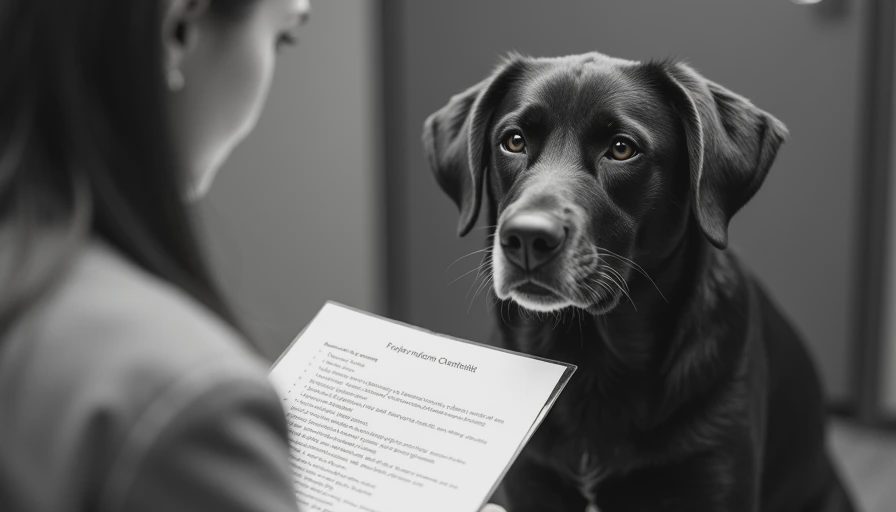
One of the most important questions to ask when adopting a dog concerns health. Request the available veterinary records and ask for plain-language explanations of every diagnosis, medication, vaccine, surgery, and pending test. Confirm whether the dog is spayed or neutered, microchipped, heartworm tested, and current on core vaccinations. Ask when the next dose, recheck, or refill is due.
Ask directly about allergies, recurring ear infections, skin problems, dental disease, limping, seizures, digestive trouble, and heartworm treatment. A dog can look energetic while still needing follow-up care. Find out whether the adoption fee includes recent bloodwork, dental cleaning, medication, or a starter supply. Ask what the rescue knows about the dog's weight and diet, because an abrupt food change can create an unpleasant first week.
Before adoption, call your intended veterinarian and ask about an initial exam price. A routine first visit may cost roughly $75 to $150 in many areas, while bloodwork, fecal testing, dental care, or treatment can raise the bill quickly. If money is tight, ask the rescue about low-cost clinics, payment resources, or known medical conditions rather than hoping nothing appears.
Understand the history without demanding a perfect explanation
Rescue records are often incomplete. A shelter may know where a dog was found but not what happened during the first three years of life. Questions to ask when adopting a dog should include how long the organization has had the animal, whether there were previous homes, and why the dog was surrendered if that information is available.
Ask what has changed since arrival. Has the dog become more relaxed, more reactive, or more social? What does the foster caregiver see in a home setting that staff cannot observe in a kennel? If the dog has been in foster care, ask for details about mornings, visitors, car rides, grooming, thunderstorms, and nighttime sleep. Those ordinary moments often tell you more than a polished adoption bio.
Be cautious about a rescue that refuses reasonable questions or dismisses concerns with "he has never done that here." The honest answer may be "we do not know." Unknown is not automatically bad, but it should influence your plan. You might choose a two-week foster-to-adopt arrangement, use baby gates, separate pets during meals, and avoid inviting a crowd over on day one.

Match the dog to your actual household
The best questions to ask when adopting a dog connect the animal's needs to your schedule and space. Ask how much exercise the dog appears to need and whether a walk is enough, or whether the dog also needs training games, running, scent work, or structured play. A fenced yard is useful, but it does not replace companionship or supervision.
Tell the organization about your real circumstances: work hours, apartment rules, stairs, resident pets, frequent visitors, travel, and the age of everyone in the home. Ask whether the dog can live with your cat or current dog, and arrange a controlled introduction before adoption. Never rely on a claim that a dog is "good with dogs" without asking what size, sex, energy level, and setting were involved.
If you rent, confirm pet restrictions, weight limits, breed wording, deposits, and monthly fees before applying. If you live in a house, check your fence and gates. The right match is not necessarily the calmest or cutest dog; it is the dog whose needs you can meet on busy days as well as hopeful ones.
Ask about support after the adoption
Good organizations should be able to explain what happens after you take the dog home. Questions to ask when adopting a dog include whether there is a return policy, an adoption coordinator, behavior support, or access to a trainer. Ask whom to call at 10 p.m. when the new dog will not stop pacing, or when resident pets need a slower introduction.
Read the contract carefully. Some rescues require that the dog be returned to them rather than transferred to another home. That clause matters if circumstances change. Asking about returns is not planning to fail; it is making sure the animal has a safe option instead of being passed from person to person.
Also ask what adjustment period the rescue recommends. Many dogs sleep excessively, hide, have accidents, or seem unusually quiet during the first days. Others arrive overexcited and cannot settle. Keep the first week boring: regular meals, short walks, limited visitors, secure doors, and a quiet place to retreat. Let trust grow through repetition.
Your final pre-adoption conversation
Before you say yes, repeat the questions to ask when adopting a dog that still feel unanswered. Ask what the organization is worried about, what the dog finds difficult, and what kind of adopter would be a poor fit. Then describe your own limits without apology. You are allowed to say that you cannot manage a dog who cannot live with cats, climb stairs, or remain alone during a full workday.
Bring home supplies before pickup: food recommended by the rescue, a properly fitted collar, an identification tag, leash, crate or gates, enzyme cleaner, treats, and a secure car setup. Save the shelter's phone number and schedule a veterinary appointment. The first goal is not instant cuddling or a perfect family photo. It is safety, sleep, food, and a little less fear each day.
Every adoption is a relationship, not a test of moral worth. Ask clearly, listen carefully, and choose the dog whose needs fit the life you can genuinely provide. That honest match gives both of you the best chance to become the happy, slightly messy household you imagined.



Letters
No letters yet. Yours could be the first.