Adopting an older dog can feel like bringing home a mystery wrapped in a gray muzzle. You may wonder whether the dog will bond with you, whether old habits can change, or whether you are prepared for medical bills. Those are reasonable questions, not signs that you are unkind or uncommitted. After more than a decade of rescue work, I have learned that the best match is rarely the youngest or most photogenic dog. It is the dog whose needs fit your actual life.
Why adopting an older dog can be a wonderful choice
Older dogs often arrive with useful information. A shelter or foster family may know whether a dog is house-trained, comfortable around cats, happy in a crate, or frightened by thunderstorms. A mature dog has usually moved beyond the chewing-everything stage, which can be a lifesaver if you work long shifts or rent a small apartment. You are more likely to get a clear sense of the adult dog you are meeting than you would with a puppy whose personality is still developing.
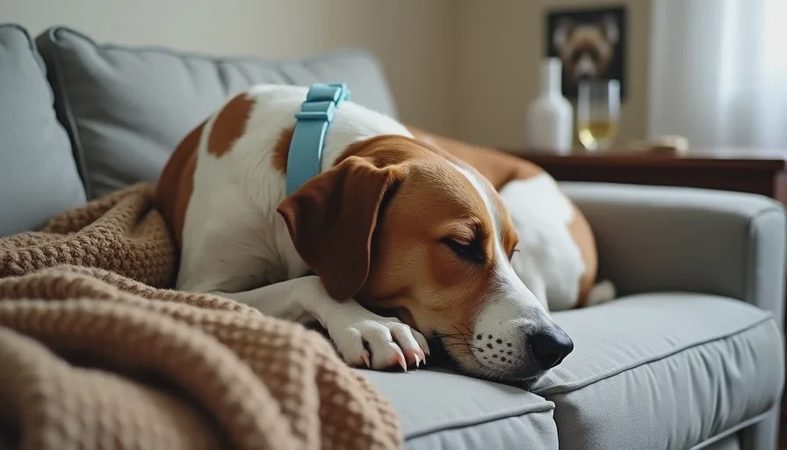
There is also a quiet sweetness to adopting an older dog. The first victories may be unglamorous: eating breakfast while you stand nearby, sleeping with one paw touching your foot, or choosing to walk through the living room instead of hiding behind the sofa. Those moments count. An older dog does not need you to perform a perfect rescue story. It needs predictable meals, gentle handling, comfortable rest, and a person willing to notice small progress.
Older does not automatically mean fragile. Many dogs considered seniors still enjoy neighborhood walks, road trips, training games, and couch wrestling. Age ranges differ by size, so ask the rescue how the dog behaves day to day rather than relying only on a label.
What to ask before you say yes
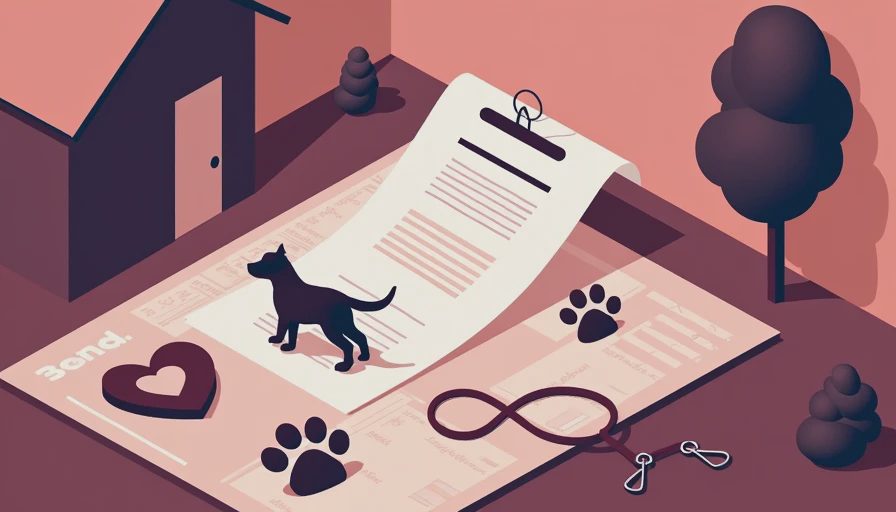
Before adopting an older dog, ask direct questions and write down the answers. Has the dog lived with children, cats, or other dogs? Does it guard food, toys, furniture, or doorways? How does it react when left alone? Has it snapped, bitten, escaped, or panicked during car rides? A responsible rescue should not punish you for asking. Honest information protects the dog as much as it protects your household.
Request veterinary records, including vaccination history, dental treatment, medications, recent bloodwork, and any diagnosis such as arthritis, heart disease, allergies, or kidney problems. Ask what a normal day looks like. A dog that needs two short walks may suit you perfectly; a dog that needs an hour of physical activity plus enrichment may not.
Meet the dog more than once if possible. Take a calm walk, sit in a quiet room, and observe how the dog recovers after a surprise sound. You are not looking for a flawless animal. You are looking for behavior you understand well enough to support.
Prepare your home for a soft landing
Adopting an older dog goes more smoothly when the house is ready before arrival. Set up a bed in a low-traffic area, place water nearby, and use nonslip runners on slick floors if the dog has weak legs. Keep stairs blocked until you know how confidently the dog moves. Remove food, medications, string, and small objects from reachable surfaces.
Buy only the basics at first: a properly fitted harness, a backup collar with identification, a six-foot leash, washable bedding, food recommended by the rescue, and a baby gate. I avoid retractable leashes during the first weeks because a nervous dog can gain too much distance too quickly. If the dog has limited vision or hearing, announce yourself before touching it and keep furniture in familiar places.
Plan a quiet first day. Skip the welcome party and do not invite every neighbor to meet the new arrival. Take the dog outside on leash, show it the sleeping area, offer a small meal, and let it rest. A shutdown dog is not rejecting you; it is processing a major change.
The first two weeks are about information, not perfection
During the first days of adopting an older dog, use a simple routine. Feed at consistent times, take bathroom breaks on a predictable schedule, and keep walks short enough that the dog can think. Avoid forcing affection. Sit nearby and read, watch television quietly, or toss treats away from your body so the dog can approach without pressure.
Accidents, pacing, barking, and nighttime confusion can happen even when a dog was previously house-trained. Stress changes behavior. Clean accidents with an enzymatic cleaner and return to frequent outdoor trips without scolding. If the dog growls, freeze, create space, and contact a qualified reward-based trainer. A growl is useful communication; punishing it can remove the warning without removing the discomfort.
Keep a small daily log. Record meals, sleep, bowel movements, medications, triggers, and encouraging moments. Patterns often become visible after a week. You may discover that the dog paces after dinner, struggles on shiny floors, or relaxes when soft music plays. That information gives you practical next steps.

Budget honestly for health and comfort
Adopting an older dog requires a realistic financial plan, but it does not mean every senior dog needs constant expensive treatment. A first veterinary visit may cost roughly $100 to $300 before additional tests, depending on your area and the care needed. Dental cleaning, imaging, prescription medication, or ongoing treatment can raise that total substantially. Ask the rescue what has already been paid and what care is recommended next.
Set aside an emergency fund if you can, and compare pet insurance before a diagnosis appears. Accident-and-illness plans commonly exclude pre-existing conditions, so insurance is not a magic solution for known arthritis or heart disease. A wellness plan may help spread routine expenses, but it is different from insurance. Your veterinarian can help prioritize care when several treatments compete for the same budget.
Comfort can be inexpensive. A $25 orthopedic mat, trimmed nails, a ramp for a porch, and shorter walks may dramatically improve daily life. The goal is not to chase youth. It is to help the dog feel safe and capable.
When the match feels harder than expected
Adopting an older dog is not always immediately heartwarming. You might feel disappointed, trapped, or exhausted when the dog does not cuddle, sleeps poorly, or needs more care than expected. Those feelings do not make you a bad adopter. Rescue animals and humans both need time to adjust.
Tell the rescue early if you are struggling. A foster-to-adopt arrangement, trainer referral, medication discussion, or temporary break can prevent a crisis. If the home truly is not suitable, responsible rehoming through the rescue is kinder than silently letting everyone deteriorate. Returning a dog is painful, but hiding serious incompatibility helps no one.
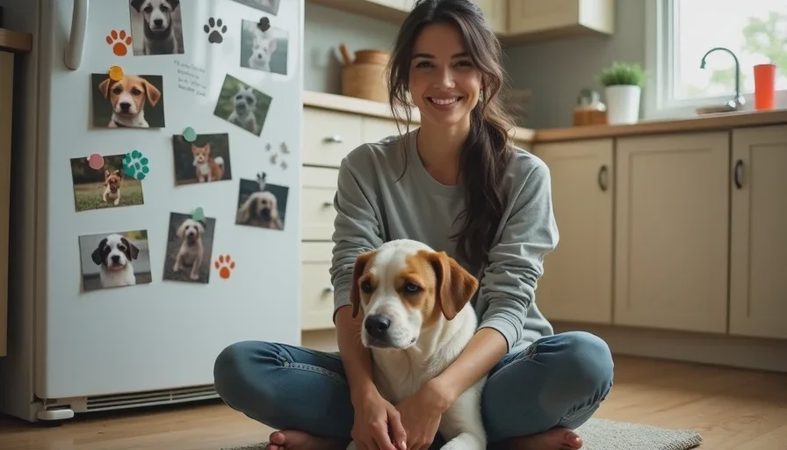
The happy ending may be quieter than you imagined. It can be a dog waiting by the kitchen while you make coffee, leaning against your leg at the vet, or finally sleeping through the night. Every good dog was once someone's “too much.” Sometimes your home is the place where “too much” becomes manageable, loved, and understood.
A simple decision before the application
Before adopting an older dog, list your nonnegotiables: budget, stairs, work schedule, resident pets, noise tolerance, and available help. Then list the needs you can flex on, such as coat color, size, age, or whether the dog is instantly affectionate. Share the full list with the rescue instead of presenting yourself as a perfect applicant.
Choose questions over assumptions, preparation over impulse, and a realistic match over a dramatic save. If a particular dog fits your home, ask about the next step and arrange a meet-and-greet. The right adoption does not require you to be fearless. It requires honesty, patience, and enough support to keep showing up.
Letters
No letters yet. Yours could be the first.