Rescue dog separation anxiety can make the first weeks at home feel impossible. Your new dog follows you from room to room, cries when you pick up your keys, scratches at the door, or panics before you have even reached the mailbox. I have lived through this with foster dogs, failed fosters, and permanent adoptees. It is exhausting, but it is not proof that you made a bad choice or that your dog is broken.
A rescue dog has often lost familiar people, places, smells, and routines. Even a friendly, affectionate dog can become frightened when left alone. The goal is not to force independence overnight. The goal is to teach, in tiny repetitions, that you leave and reliably come back.
What separation anxiety can look like
Some dogs bark or howl as soon as the door closes. Others pace, drool, pant, chew window frames, dig at carpet, or urinate despite being house-trained. A dog might refuse a food puzzle once you leave because fear has overwhelmed appetite. Some dogs become destructive only near exits, while others raid counters or shred bedding during a longer absence.
These behaviors are different from ordinary puppy mischief or boredom. A bored dog may chew a toy, nap, and eventually greet you. A panicked dog may injure a mouth or paw trying to escape a crate or doorway. Rescue dog separation anxiety can also be subtle: your dog may freeze, stare at the door, or tremble instead of making noise.
Use a phone or inexpensive pet camera to observe what happens after you leave. Do not rely on a neighbor's report that the dog was “fine” after five minutes if the first five minutes included frantic barking. The timing matters because training must begin below the point where panic starts.
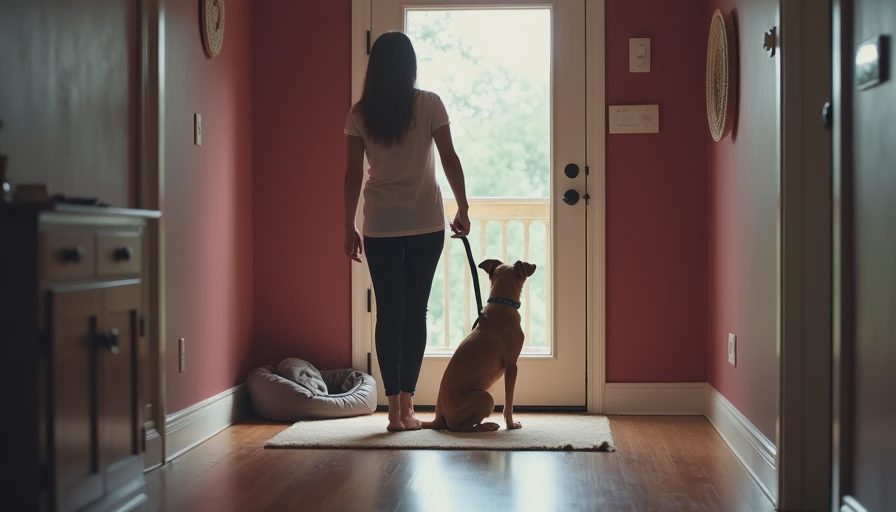
Start with safety before training
Never treat a panicking dog as a behavior problem to punish. Yelling after you return usually teaches the dog that your arrival is scary too. Crating can be useful for a dog who already views the crate as a comfortable bedroom, but it is not a universal solution. A dog that throws its body against the wire may need a gated room, exercise pen, or dog-proofed bedroom instead.
Remove hazards before practicing departures. Secure blinds and cords, block access to windows, move medications and cleaning products, and take off collars that could catch on crate bars when the dog is unsupervised. Leave water, a washable mat, and a safe food toy only if your dog already uses it calmly.
For serious escape attempts, contact a veterinarian or veterinary behaviorist. Medication is not a failure. A vet may discuss temporary or ongoing treatment when fear is too intense for learning. A qualified force-free trainer can help you build a plan, while avoiding trainers who recommend shock, intimidation, or “cry it out” as the main answer.
Build a departure routine in small steps
Begin when you are home. Walk to the front door, touch the handle, and return to your chair. Pick up your keys and put them down. Put on your coat, then make coffee. These boring repetitions break the connection between departure signals and immediate panic.
Next, step outside for one or two seconds and return before your dog becomes distressed. If that goes well, try five seconds, then ten. Progress is not linear. One day your dog may manage three minutes; the next day, a dropped package or thunderstorm may reduce the comfortable time to twenty seconds. Go back to the last easy duration instead of testing the limit repeatedly.
Practice several short sessions rather than one dramatic absence. Keep greetings and returns calm, but not cold. You do not need to ignore your dog for half an hour to prove a point. A relaxed hello, a quick potty break, and a normal routine can help everyone settle.
For rescue dog separation anxiety, the important measurement is not how long you wish to leave. It is how long your dog can remain relaxed today. Write down the duration, the departure cue, and any signs of stress. That simple record prevents guesswork.
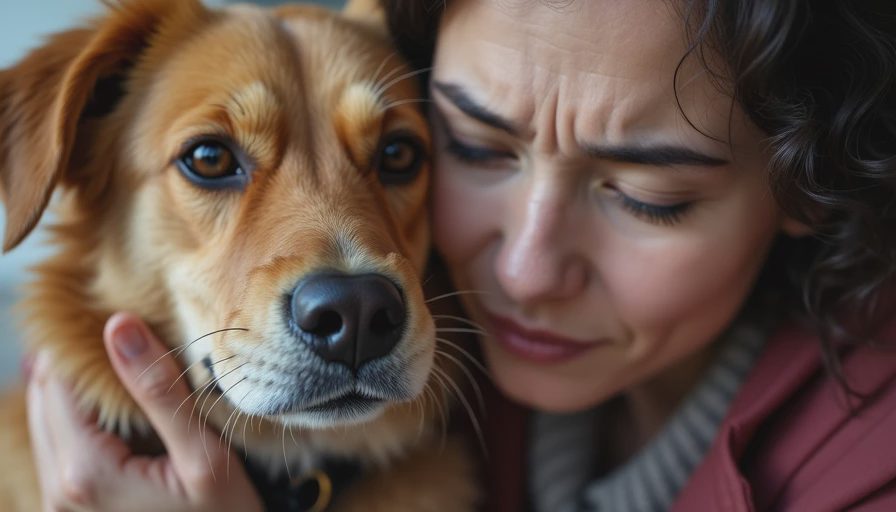
Make real-life absences easier
Training cannot always happen on a perfect schedule. You may need to work, attend an appointment, or buy groceries before your dog is ready for a three-hour absence. During the early period, use management to prevent rehearsing panic. Ask a trusted friend to stay with the dog, hire a pet sitter, use a reputable dog daycare when appropriate, or bring the dog to a family member who understands the routine.
A midday visit is helpful for bathroom needs, but it may not solve severe anxiety if the dog panics the moment the visitor leaves. Look for someone willing to provide companionship for the full absence when necessary. Cost varies, but paying for several weeks of support can be less expensive than replacing doors, treating injuries, or abandoning a promising adoption because the first month was overwhelming.
Give exercise and enrichment a sensible role. A sniff walk, scatter feeding in the yard, or five minutes of reward-based training can reduce excess energy. It cannot cure panic by itself. Taking a terrified dog on an exhausting run and then leaving may produce an injured, more distressed dog rather than a peaceful one.
Help the dog feel secure without creating guilt
Many adopters worry that comforting a clingy dog will “reward” fear. Calm reassurance does not create separation anxiety. You can sit beside your dog, offer a quiet voice, and provide a predictable bed without making every moment a frantic emotional event. At the same time, practice tiny independent activities while you are still home.
Close the bathroom door for ten seconds. Sit on the other side of a baby gate while reading. Encourage your dog to rest on a mat several feet away. Reward calm choices with small treats, praise, or access to a favorite toy. These moments teach that distance is ordinary and temporary.
Keep meals, walks, sleep, and bathroom trips reasonably predictable. Rescue dogs often relax faster when the household rhythm stops changing every hour. A white-noise machine, closed curtains, or soft music can reduce outside triggers, but use these tools as support rather than a cure. Your dog still needs gradual practice with safe absences.
Know when the plan needs professional help
Call your veterinarian promptly if your dog is injuring itself, refusing food, losing weight, vomiting, having repeated accidents, or showing intense panic within seconds. Ask about a certified veterinary behaviorist or a credentialed trainer experienced with separation cases. Ask exactly which methods they use, how they measure progress, and what happens if the dog gets worse.
Avoid anyone promising a guaranteed cure in a weekend. Progress often comes in unglamorous wins: your dog watches you pick up keys without standing, eats one treat after the door closes, or naps for four quiet minutes. Those are real milestones. Celebrate them, then build carefully.
You are also allowed to admit that the situation is beyond what your household can safely manage. A responsible return or rehoming decision is not a moral failure, and asking the rescue for help early is wiser than waiting until everyone is in crisis. Every good dog was once someone's “too much,” but a good match must work for the people and animals involved.
Rescue dog separation anxiety is difficult, yet many dogs improve with safety, management, gradual practice, and the right support. Start smaller than your impatience suggests. Protect your dog's trust, protect your home, and count quiet seconds as progress. Some day, you may pick up your keys and discover that your dog simply lifts its head, sighs, and goes back to sleep.


Letters
No letters yet. Yours could be the first.