If you are trying to train a rescue dog, you may be working with a mystery history, a nervous new roommate, or a dog who has learned that people are unpredictable. That is a lot to carry home in one leash handle. It is also completely normal to wonder whether you are doing enough. You are not expected to have every answer on day one.
I have brought home dogs who hid behind furniture, barked at empty corners, and treated a collar like a personal insult. The early goal was not a perfect sit. It was a dog willing to eat dinner while I was in the room. Every good dog was once someone's "too much," and progress often begins with small, unglamorous moments.
Start with safety, decompression, and a routine
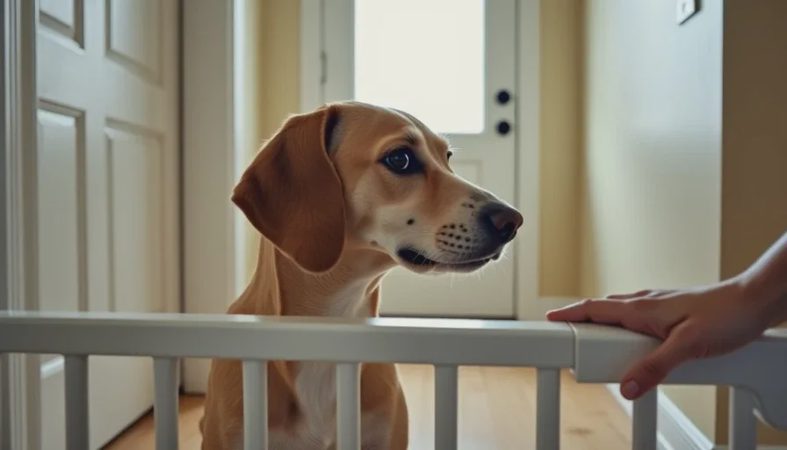
Before you train a rescue dog, give the first several days a simple structure. Use a quiet room or gated area with a bed, water, food, and a safe chew. Keep visitors limited. Skip the crowded dog park, busy pet store, and neighborhood parade of introductions. Your new dog has enough information to process already.
A predictable routine helps the dog understand what happens next. Serve meals at roughly consistent times, take bathroom breaks after waking and eating, and keep walks short enough that the dog can stay under control. Predictability is not boring to a worried dog; it is reassuring.
Set up management before asking for manners. Close doors, use baby gates, put food away, and keep shoes off the floor. A lightweight leash attached to you indoors can help with supervision, but never leave a dog tethered unattended. Management prevents rehearsal of behaviors such as counter surfing, door charging, or shredding laundry while trust develops.
Do not interpret hiding as stubbornness or a lack of love. A dog who will not look at you may be overwhelmed, not disobedient. Sit sideways, soften your voice, and let the dog choose whether to approach.
Use rewards to teach, not intimidation to control
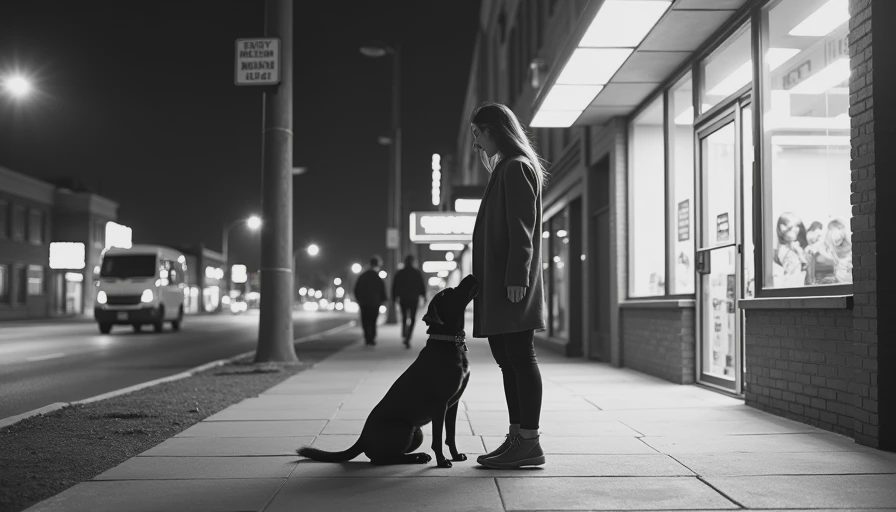
The most useful way to train a rescue dog is to show them which behavior earns something good. Tiny pieces of chicken, soft treats, a favorite toy, access to the yard, or permission to sniff can all function as rewards. Start by discovering what matters to this particular dog. A frightened dog may ignore treats but gladly follow a tossed piece of kibble.
Mark the moment you like with a calm word such as “yes,” then deliver the reward immediately. If the dog glances at you, mark and reward. If four paws touch the floor when the door opens, mark and reward. These small choices create a shared language without forcing physical contact.
Avoid yelling, leash corrections, alpha-style techniques, and punishment for accidents. A dog that is already worried may become quieter without becoming calmer. You could suppress a growl while leaving the fear untouched, which makes the next warning harder to read. Reward-based training is not permissive; it gives you a practical way to change behavior while protecting the relationship.
Keep sessions short. Three minutes of successful practice is more valuable than twenty minutes that ends with both of you frustrated. Stop while your dog is still able to think.
Teach the first skills in a low-pressure order
When you train a rescue dog, begin with skills that improve daily life. Responding to their name, checking in with you, walking toward a hand target, settling on a mat, and coming when called indoors are useful foundations. Formal obedience can wait.
Say the name once. When the dog turns toward you, reward. Do not repeat the name ten times while the dog learns that it can be ignored. For a hand target, present an open palm a few inches away. When the nose touches it, mark and reward. This can later help you move a dog away from a doorway or guide them onto a scale without grabbing.
For a mat settle, reward any interest in the mat at first. Then reward standing on it, sitting, and eventually lying down. Add duration in tiny increments. If the dog gets up, calmly reset rather than scolding. You are teaching a place to relax, not demanding a military performance.
House training deserves patience. Take the dog out after sleep, meals, play, and exciting visitors. Reward outdoor elimination immediately, not after walking back inside. If an accident happens, clean it with an enzymatic product and adjust supervision. Do not rub a nose in it; that teaches fear, not bathroom skills.
Handle fear, barking, and big feelings carefully
Some dogs bark at men, traffic, other dogs, hats, noises, or absolutely nothing you can identify. The solution is not to march closer until the dog “gets used to it.” That can flood the dog and make the fear stronger. Instead, find a distance where the trigger is visible but your dog can still eat and respond to their name.
At that distance, feed several treats while the trigger appears, then leave. Over repeated sessions, the trigger begins to predict relief instead of danger. If your dog freezes, lunges, stops eating, or scans wildly, increase distance. Crossing the street is a training decision, not a failure.
To train a rescue dog through handling concerns, begin with consent-based steps. Touch the shoulder for one second, reward, and stop. Later, touch a paw, show the brush, or briefly hold the collar. Never make nail trims, ear cleaning, or veterinary handling a surprise wrestling match if you can avoid it. Ask your veterinarian about fear-free handling options, and consider a qualified reward-based trainer for guarding, aggression, severe separation distress, or bite history.
A basket muzzle, introduced gradually with treats, can be responsible safety equipment for some dogs. It should never be used as punishment or left on without supervision.

Build confidence outside the house
After your dog can relax at home, train a rescue dog in carefully chosen public settings. Start with the quiet end of your street or an empty parking area, not a Saturday farmers market. Let your dog sniff. Sniffing provides information and can lower arousal, while a forced march often creates more pulling.
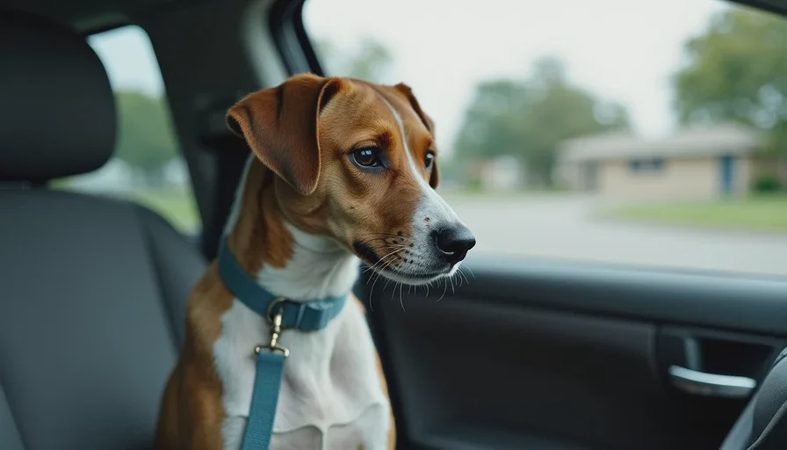
Use a properly fitted harness and a regular six-foot leash. Retractable leashes make distance and control harder around traffic, unfamiliar dogs, and doorways. Practice checking in, changing direction, and stopping before your dog reaches the end of the leash. Reward a loose leash generously; you do not need to wait for a flawless heel.
Socialization does not mean greeting every person and dog. It means learning that the world can be safe without constant interaction. A dog who calmly watches another dog from across the street is making excellent progress. Protect that space instead of allowing strangers to rush in with extended hands.
Know when progress is happening
The timeline for training a rescue dog depends on age, health, genetics, previous experiences, and your home environment. Look for functional wins: sleeping through the night, eating reliably, recovering faster after a noise, choosing a chew instead of your chair, or walking past a trigger with fewer seconds of panic.
Keep a simple weekly note on your phone. Record what happened, the distance from triggers, the reward used, and how quickly your dog recovered. This prevents one difficult afternoon from erasing two weeks of improvement. It also gives a trainer or veterinarian useful information.
If you feel angry, trapped, or exhausted, put the dog somewhere safe and take a break. Ask a trusted person to cover a walk, hire a dog walker experienced with fearful dogs, or contact the rescue for support. Needing help is not evidence that you are a bad adopter. Some matches require professional care, medication, or a different placement, and honest decisions can protect everyone involved.
Make the next step manageable
The best way to train a rescue dog is to repeat small lessons in ordinary life: name response before breakfast, leash practice before a quiet walk, mat settling while you drink coffee, and calm handling before a grooming appointment. You do not need a color-coded binder or a perfect house. You need consistency, safety, and enough compassion to notice the dog in front of you rather than the dog you imagined adopting.
Give yourself permission to celebrate the boring victories. A tail resting instead of tucking, a first voluntary nap near your feet, or a dog choosing to follow you down the hallway can be enormous. Trust is built through hundreds of uneventful repetitions. With patience and sensible support, the scared, chaotic beginning can become a real relationship.

Letters
No letters yet. Yours could be the first.