The first time a newly adopted dog refuses dinner, it is easy to panic. I have watched plenty of rescue dogs ignore a full bowl, then become very interested when plain chicken comes out of the refrigerator. Homemade chicken recipes for dogs can be useful as an occasional topper, a bland meal during a stomach upset, or a thoughtful way to make mealtime less intimidating. They are not automatically complete diets, though, and a few ordinary kitchen ingredients can be dangerous.
Start with plain chicken and simple ingredients
Use boneless, skinless chicken breast or thighs. Boil, bake, or poach the meat in plain water until it reaches 165 degrees Fahrenheit inside, then let it cool and shred it into small pieces. Do not add salt, butter, oil, garlic, onion, gravy, seasoning blends, or bouillon. Garlic and onions can damage a dog's red blood cells, while excess fat can contribute to digestive trouble or pancreatitis in susceptible dogs.
For the carbohydrate, plain white rice is a familiar choice, but cooked oatmeal, pumpkin puree, or a small amount of plain potato can also work for some dogs. Pumpkin should be 100 percent pumpkin, not spiced pie filling. Read the label on every packaged ingredient. Xylitol, sometimes listed as birch sugar, is toxic to dogs and can appear in surprising foods.
When making homemade chicken recipes for dogs, think of the bowl as deliberately boring. Boring is helpful when you are trying to identify what agrees with a nervous stomach. A recipe with chicken, rice, and water is easier to evaluate than a crowded mixture of five vegetables and a trendy supplement.

Three easy chicken meals to try
The simplest option is a chicken-and-rice topper. Mix one part shredded, fully cooked chicken with two parts cooked white rice. Add warm water until the texture is soft but not soupy. Serve a small amount over the dog's regular food rather than replacing every meal. This can make kibble smell more appealing without teaching a dog that dry food is never good enough.
A second option is chicken with pumpkin. Combine shredded chicken with a spoonful of plain pumpkin and enough warm water to loosen the mixture. Pumpkin provides fiber, but more is not better; too much can cause loose stool. This is especially handy for a dog who needs a gentle texture after a stressful move, although ongoing diarrhea deserves veterinary advice.
For a freezer-friendly treat, mix minced cooked chicken with cooked oatmeal, form small balls, and refrigerate them. Keep them soft rather than baking them hard. These are useful for medication practice or reward-based training. Homemade chicken recipes for dogs should stay treat-sized when they are used between meals, especially for small dogs whose calorie needs are modest.
Portion size matters more than the recipe
A few tablespoons can be plenty for a tiny dog, while a large dog may handle a larger serving. Start with a teaspoon or two for a small dog and a tablespoon for a medium or large dog, then watch for vomiting, diarrhea, itching, or unusual gas over the next day. Sudden diet changes can upset even a healthy stomach, so introduce the food gradually.
Treats and toppers should generally remain a small part of daily calories. If chicken replaces a substantial portion of a dog's food for more than a short period, the diet can become unbalanced in calcium, essential fatty acids, vitamins, and minerals. Growing puppies, pregnant dogs, dogs with kidney disease, and dogs with food allergies need especially careful guidance. A veterinarian or veterinary nutritionist can help build a complete recipe for long-term feeding.
Remember that “healthy” does not mean unlimited. Chicken is nutritious, but it is not a complete meal by itself. Remove every bone, including small cooked fragments. Cooked bones can splinter and cause choking, intestinal injury, or obstruction.
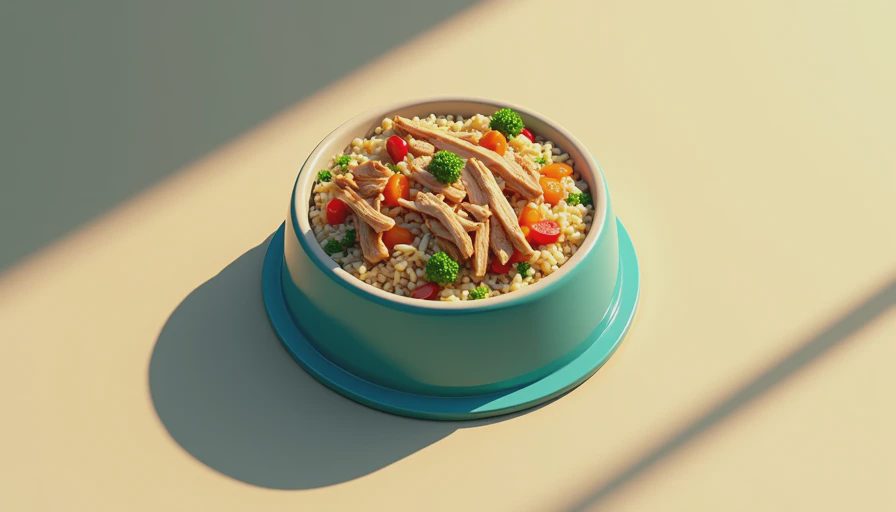
How to prepare and store a safe batch
Wash your hands and kitchen surfaces before and after handling raw chicken. Use a separate cutting board if possible, and never feed raw chicken simply because it seems more natural. Raw meat can carry pathogens that affect dogs and people, especially children, older adults, and anyone with a weakened immune system.
After cooking, divide the food into shallow containers so it cools quickly. Refrigerate it within two hours, or within one hour if the room is very hot. Use refrigerated portions within three to four days. Freeze extra servings in silicone molds or small labeled containers, then thaw them in the refrigerator rather than on the counter. Warm food gently and test it with your finger before serving.
Clean the bowl after each meal. Wet food residue can become unpleasant quickly, and a dog who already feels uncertain in a new home does not need a stale-smelling dinner. Homemade chicken recipes for dogs are easiest to manage when you prepare only two or three days' worth at a time.
When chicken is helpful and when it is not
Plain chicken can encourage eating during a transition, but appetite loss is sometimes a medical warning. Contact a veterinarian promptly if a dog refuses food for a day, cannot keep water down, has repeated vomiting, has bloody stool, seems painful, or becomes unusually weak. Puppies, seniors, and dogs with chronic conditions may need attention sooner.
Do not use chicken as a substitute for treatment. A bland meal can temporarily reduce irritation, but it cannot diagnose intestinal parasites, pancreatitis, an obstruction, dental pain, or anxiety. Also avoid chicken if the dog has a known chicken allergy or develops recurring ear problems, itching, vomiting, or diarrhea after eating it.
Making mealtime easier for a rescue dog
Food is only one piece of the adjustment period. Feed in a quiet corner, keep the schedule predictable, and give the dog space while eating. A newly adopted dog may guard food, eat too quickly, or refuse to eat while someone watches. None of those behaviors makes the dog bad, and none means you have failed as an adopter.
Try placing a small amount of a chicken topper beside the regular food instead of mixing everything together. That lets a hesitant dog investigate without losing the familiar smell of kibble. Once eating is steady, reduce the topper slowly. Homemade chicken recipes for dogs work best as a bridge, not as a permanent way to negotiate every bite.
I have seen a nervous foster finally eat after three quiet days, then sleep beside the bowl as if guarding a treasure. The win was not the fancy recipe. It was a calm room, a patient person, and food that did not create another problem.
A practical safety check before serving
Before offering the bowl, confirm five things: the chicken is fully cooked; all bones and skin are removed; no onion, garlic, salt, or seasoning was added; the portion is appropriate; and the food has been cooled and stored safely. If a packaged product is involved, inspect the ingredient list for xylitol and excessive fat.
Keep the recipe simple for the first serving. Write down what went into it and how much the dog ate. That small record is useful if symptoms appear and helps you recognize which ingredients your dog handles well. Homemade chicken recipes for dogs can be comforting, affordable, and practical when they are treated as careful additions to a balanced diet.
If you are filling out an adoption application and worrying that you need to know everything already, take a breath. You do not need a perfect pantry or expert-level skills. You need safe basics, a willingness to observe, and a veterinarian you can call when something feels wrong. Every good dog was once someone's “too much.” Sometimes the first step toward trust is simply a quiet bowl of dinner.


Letters
No letters yet. Yours could be the first.