Finding dog food recipes for senior dogs usually starts with a familiar scene: your old friend sniffs dinner, looks at you as if you personally offended him, and walks away. Or maybe chewing has become harder, digestion is touchier, and the food bowl sits untouched until bedtime. I have been there with foster dogs, adopted dogs, and one elderly hound who believed chicken was beneath him unless it was served warm.
Homemade food can make meals more appealing, but it is not automatically complete or healthier. Older dogs often have changing calorie needs, dental problems, arthritis, kidney concerns, diabetes, or medication-related appetite changes. Use these ideas as meal toppers or occasional home-cooked meals unless your veterinarian or a veterinary nutritionist has helped balance the full diet.
What senior dogs actually need in a homemade meal
The best dog food recipes for senior dogs are soft, moist, moderate in calories, and built around digestible protein. Chicken, turkey, lean beef, eggs, and some fish can work well for many dogs. Add a cooked carbohydrate such as white rice, oatmeal, potato, or pumpkin, then include a small amount of dog-safe vegetables like green beans, carrots, or zucchini.
That sounds simple, but balance matters. Meat and rice alone do not supply every vitamin and mineral a dog needs. Calcium is a common gap, and adding random human supplements can create another problem. A senior dog eating homemade food every day may need a specific calcium source, vitamin blend, and carefully calculated amounts based on weight and medical history.
Portion size deserves attention too. A less active older dog may need fewer calories than he did at four years old, even if he still gives you the same hopeful expression at the refrigerator. Start with a small serving, watch body condition, and reduce treats so the recipe does not quietly become extra weight on aging joints.

Three gentle recipes to try as toppers
These dog food recipes for senior dogs are designed for small portions over a complete commercial diet. Cook everything plain, remove bones and skin, and let the food cool before serving.
A soft turkey and oatmeal bowl uses cooked lean ground turkey, plain oatmeal, mashed pumpkin, and finely chopped green beans. The pumpkin can add moisture and fiber, while oatmeal gives the meal a soft texture for dogs with sore mouths. Begin with a spoonful mixed into regular food rather than replacing the entire bowl.
A chicken, rice, and vegetable mash is another practical option. Combine shredded boneless chicken breast, cooked white rice, carrots, and zucchini with warm water or low-sodium broth that contains no onion or garlic. This is especially useful when a dog is temporarily reluctant to eat dry kibble, although ongoing appetite loss needs medical attention rather than a parade of increasingly exciting recipes.
For a fish-based topper, try cooked salmon with potato and green beans. Remove every bone and avoid butter, salt, seasoning, and sauces. Salmon is rich and can be too fatty for some dogs, so serve a very small amount the first time. If vomiting or diarrhea follows, stop the recipe and return to a familiar diet while contacting your veterinarian.
Ingredients to avoid in the kitchen
Many dog food recipes for senior dogs become unsafe because a well-meaning cook adds flavor meant for people. Never use onions, garlic, chives, grapes, raisins, chocolate, xylitol, macadamia nuts, alcohol, or cooked bones. Fatty bacon, sausage, gravy, and heavily seasoned leftovers can trigger stomach trouble or contribute to pancreatitis.
Be cautious with broth. Store-bought stock often contains onion, garlic, large amounts of sodium, or other seasonings. Plain water is perfectly fine. If you want extra flavor, save the cooking liquid from unseasoned chicken or turkey and skim away visible fat.
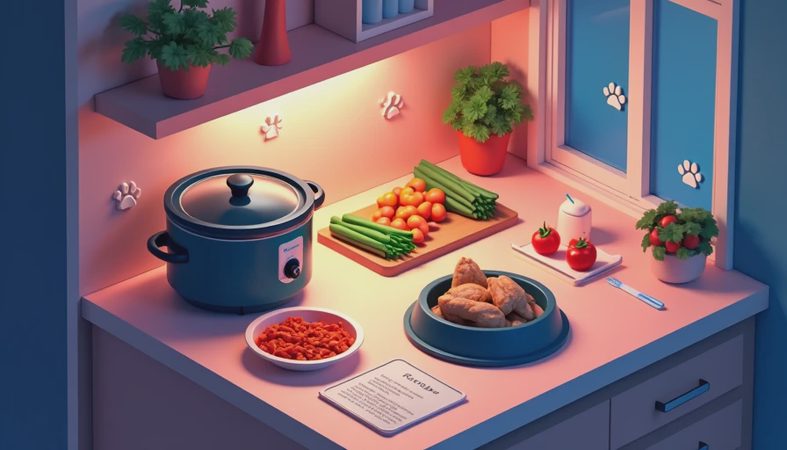
Raw diets also deserve a realistic discussion. Raw meat can carry pathogens, and older dogs may be less resilient when sick or taking immune-suppressing medication. Homemade does not have to mean raw, elaborate, or expensive. A slow cooker, a saucepan, and a clean food container are enough for most simple meals.
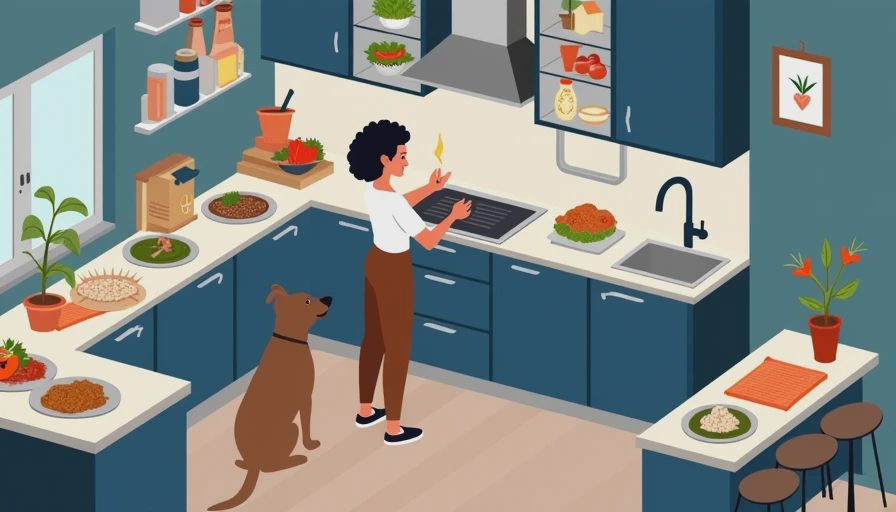
Adjusting meals for common senior problems
A dog with dental disease may need a smooth mash or food soaked in warm water. Do not assume refusal is pickiness when chewing looks painful; bad teeth can make every meal an unpleasant chore. A dog with kidney disease may need controlled phosphorus and protein, while a dog with diabetes needs consistent carbohydrates and carefully timed meals. Those situations call for a veterinary plan, not a generic internet recipe.
For a dog carrying extra weight, use lean meat, green beans, zucchini, and measured portions instead of adding more rice or oil. For a thin dog, increasing calories can help, but unexplained weight loss should be investigated. Coughing, excessive thirst, repeated vomiting, weakness, and sudden appetite changes are reasons to call the clinic promptly.
Medication can also affect eating. Some dogs take pills more happily hidden in a teaspoon of turkey or canned food. Confirm that the medication can be given with food, and remember that a treat-sized portion is enough. A whole bowl of homemade food should not become the price of every tablet.
How to introduce a homemade topper safely
When trying dog food recipes for senior dogs, change one ingredient at a time. Start with one teaspoon for a small dog or one tablespoon for a larger dog, mixed into the usual meal. Keep that amount for a day or two while watching stool, appetite, energy, and itching. If everything looks normal, increase gradually.
Write down what went into the bowl. This sounds overly organized until your dog develops loose stool and you cannot remember whether the culprit was salmon, pumpkin, a new treat, or the cheese someone slipped under the table. Label containers with the date, refrigerate portions promptly, and freeze extra servings in small containers.
Homemade food should smell fresh and look like food, not sit in the refrigerator for a week. Thaw frozen meals in the refrigerator, reheat gently if your dog prefers warm food, and discard leftovers that have been sitting out for hours. Clean bowls daily, especially when a senior dog is eating moist food.
Making dinner easier for both of you
The most useful dog food recipes for senior dogs are the ones you can prepare consistently. Batch-cook two or three plain ingredients on Sunday, portion them into ice cube trays or small containers, and keep a complete senior dog food as the nutritional foundation. Brands such as Purina Pro Plan, Hill's Science Diet, Royal Canin, and Iams offer senior formulas in different textures and price ranges; your veterinarian can help match one to your dog's needs.
If your dog refuses a meal once, a warm topper may help. If he refuses several meals, seems painful, or acts unusually tired, do not keep changing recipes and hope for the best. Older dogs can decline quickly, and appetite changes are often useful clues.
I still love cooking a little plain turkey for an old dog who has had a hard life. It can turn dinner into a hopeful ritual, especially for a rescue who once guarded an empty bowl. Just keep the recipe sensible, the portions measured, and medical guidance involved when health problems enter the picture. Every good dog was once someone's "too much," and senior dogs deserve food that is both comforting and genuinely safe.

Letters
No letters yet. Yours could be the first.