The first week with a newly adopted dog can involve more staring at the food bowl than eating from it. Stress, unfamiliar smells, a recent shelter stay, and a completely different routine can all affect appetite. Homemade dog food toppers are a simple way to make a familiar meal more appealing without turning dinner into a complicated cooking project. You do not need a gourmet kitchen or a refrigerator full of specialty ingredients. A little plain chicken, pumpkin, or warm water can sometimes be enough to get a nervous dog interested.
That said, a topper should top a complete dog food, not replace it. Most of your dog's daily calories should still come from food formulated for the animal's life stage. Think of these additions as a small invitation to eat, especially during the awkward early days when you and your dog are learning each other's habits.
Why homemade toppers help picky or anxious dogs
Dogs rely heavily on scent, and warming a small amount of food can release aromas that make dinner more noticeable. A spoonful of plain cooked meat has a stronger smell than dry kibble sitting at room temperature. Moisture also changes the texture, which can help an older dog with sore teeth or a newly rescued dog that has never liked crunchy food.
Homemade dog food toppers can also create a predictable routine. In my house, dinner starts when the bowls come out, not when somebody begs dramatically beside the pantry. For a foster dog, that consistency matters. The dog learns that food arrives in the same place, around the same time, and with the same calm human nearby. That small pattern can be comforting when everything else is new.
Start with one ingredient rather than a five-item mixture. If your dog develops loose stool, itching, or vomiting, you will have a better chance of identifying what caused it. Introduce a teaspoon for a small dog or a tablespoon for a larger dog, then watch how the dog responds over the next day.
Safe ingredients to keep in your kitchen
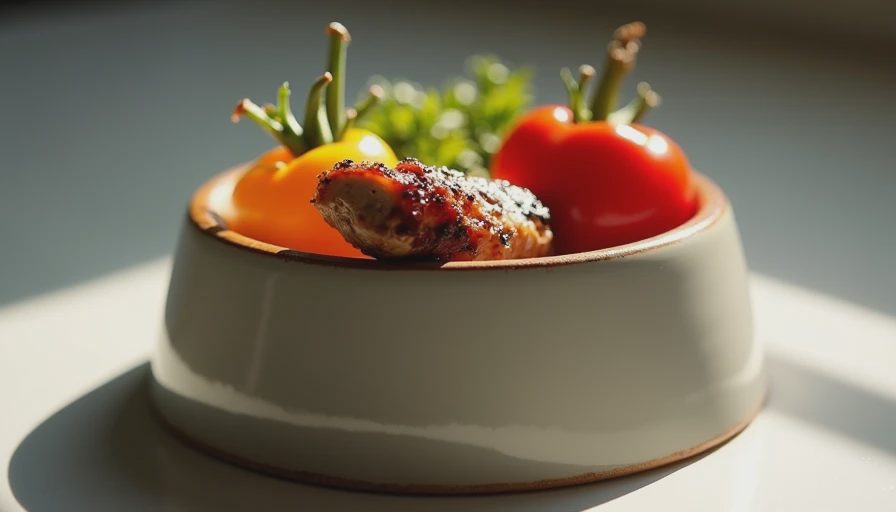
The most useful homemade dog food toppers are plain, fully cooked, and free from seasoning. Shredded chicken or turkey works well when it has no bones, skin, butter, onion, garlic, or heavy spices. Lean ground beef can also be used after cooking and draining excess fat. A little scrambled egg made without oil, salt, or seasoning is another practical option.
For a softer topper, try plain canned pumpkin puree, not pumpkin pie filling. Pumpkin adds moisture and can be useful for some dogs with mild digestive irregularity, although it is not a cure for ongoing diarrhea. Plain cooked sweet potato, white rice, green beans, and carrots are also easy to mash into a small portion.
Low-sodium broth can make dry food smell more appealing, but read the label carefully. Many broths contain onion, garlic, excess salt, or other ingredients dogs should avoid. Warm water is the safest budget option, and plenty of dogs enjoy it once the kibble becomes slightly soft.
Foods and shortcuts to avoid
Some kitchen staples are unsafe even in small amounts. Never add onions, garlic, grapes, raisins, macadamia nuts, xylitol, chocolate, alcohol, or coffee to a dog's bowl. Cooked bones can splinter, while fatty leftovers can cause serious stomach trouble. Skip bacon grease, pan drippings, heavily seasoned meat, and salty deli products.
Homemade dog food toppers should not become a daily pile of table scraps. A large portion of cheese or roast meat may seem loving, but it can upset digestion and add calories quickly. A small dog can consume a surprisingly large share of its daily calorie needs from a few bites of rich food.
Be particularly careful with products labeled sugar-free. Xylitol, which may also appear under another ingredient name in some products, is dangerous to dogs. If your dog eats a questionable ingredient, call your veterinarian or a pet poison service promptly rather than waiting for symptoms.
Three easy combinations for dinner
For a gentle starter, mix warm water and a teaspoon of plain pumpkin into the regular meal. This is inexpensive and creates a soft, fragrant texture. For a meatier option, add a small amount of plain shredded chicken with a spoonful of warm water. This combination is useful for a dog that ignores dry food but still shows interest when you open the refrigerator.
A third choice is cooked egg with mashed sweet potato. Use only a modest amount and keep the rest of the meal balanced dog food. Homemade dog food toppers are additions, so they should not crowd out the nutrients your dog needs from its main diet.
You can prepare two or three portions at once, store them in a sealed container in the refrigerator, and use them within a few days. Freeze tiny portions in an ice cube tray if you want convenient servings. Defrost them in the refrigerator, then warm the food gently. It should be lukewarm, never hot.
How much should you add?
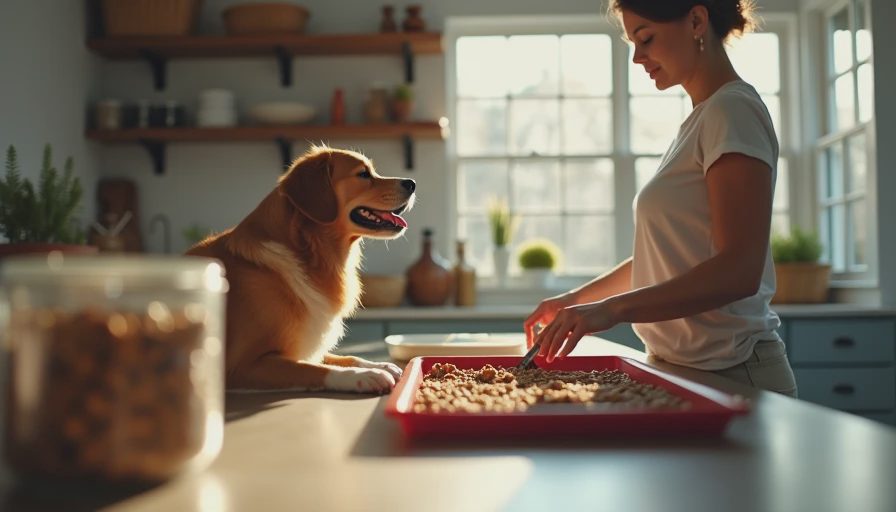
A practical starting point is one teaspoon for a toy or small dog, one tablespoon for a medium dog, and two tablespoons for a large dog. Those are starting points, not a universal prescription. A young, active Labrador and a sedentary senior Chihuahua have very different calorie needs, and the topper itself may be more calorie-dense than it looks.
If you use homemade dog food toppers every day, keep the portion small enough that your dog's regular food remains the clear majority of the meal. Too much variety can also teach a clever dog to hold out for better options. If your dog skips dinner and then receives chicken, skipping dinner can quickly become a successful strategy.
Watch body condition, stool quality, energy, and appetite. A dog that refuses food for more than a day, appears painful, vomits repeatedly, has bloody diarrhea, or seems unusually tired needs veterinary attention. A topper can encourage eating, but it should never hide a medical problem.
Making mealtime easier for a rescue dog
Food is only one piece of the adjustment period. Feed your new dog in a quiet corner away from children, other pets, and busy foot traffic. Some rescue dogs eat better when nobody watches them. Others need a person nearby because being alone around food feels unsafe. Let the dog show you which arrangement is calmer.
Offer the meal for about 15 to 20 minutes, then remove it without a scolding performance. Keep fresh water available and avoid changing brands, toppers, bowls, and feeding times all at once. One steady change gives you useful information; five changes create confusion.
Homemade dog food toppers can be especially helpful for a foster dog transitioning from shelter food to a new diet, but gradual changes are kinder to the stomach. Mix increasing amounts of the new food over several days when possible. If supplies are tight, even warm water and a calm routine can make a meaningful difference.
The best topper is the one your dog tolerates, your schedule can maintain, and your budget can support. Plain ingredients, small portions, and patient observation will take you farther than an elaborate recipe. Every good dog was once someone's "too much," and sometimes a warm, simple dinner is one small way to say, "You are safe here."


Letters
No letters yet. Yours could be the first.