The first time an older foster dog accepted a treat from my hand, she turned her head away twice before taking it. Then she carried the little morsel to a corner and guarded it like treasure. Senior dog treats are not just snacks for an aging pet. They can become a gentle way to build trust, give medication, practice cooperation, and add a little joy to a dog whose body is changing.
Older dogs often have different needs than puppies. Teeth may be worn or missing, digestion can be touchier, and extra calories can matter more when arthritis limits exercise. The right reward should be soft enough to chew, small enough to fit into the daily calorie budget, and interesting enough to motivate your particular dog. My old hound, Biscuit, would have traded the family silver for a piece of plain chicken. My terrier mix preferred a crunchy biscuit. There is no universal winner.
What makes a good treat for an older dog?
Start with texture. Many senior dogs struggle with hard biscuits, antlers, bones, and dense dental chews. A dog can look enthusiastic while quietly avoiding pain, especially after years of learning to act tough. Soft training treats, freeze-dried meat that crumbles easily, or small pieces of cooked chicken are usually easier choices. If a treat bends slightly or breaks between your fingers, that is often more practical than something that feels like a rock.
Read the ingredient panel without turning snack time into a chemistry exam. Look for a clearly named protein, such as chicken, beef, salmon, or turkey. Avoid products that contain ingredients your dog has previously reacted to. Rich treats with a lot of fat can cause stomach trouble, particularly in dogs with sensitive digestion. Senior dog treats should complement a complete diet, not replace it.
Size matters too. A reward should be about pea-sized for many medium dogs, although a tiny dog may need an even smaller piece. Breaking a larger biscuit into several rewards lets you offer more moments of praise without pouring a whole extra meal into the bowl. Keep treats to a modest portion of daily calories, and reduce meal portions slightly if your dog is getting frequent rewards.
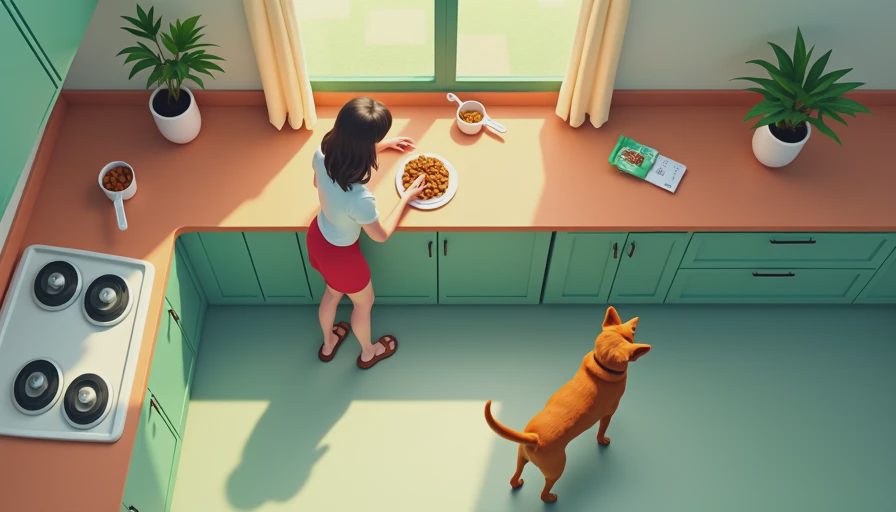
The best senior dog treats for training and trust
Treats can be useful well beyond obedience practice. An older rescue dog may need encouragement to walk through a doorway, tolerate a harness, accept a nail trim, or settle beside you while guests arrive. Use a reward immediately after the behavior you want. If your dog looks at the scary vacuum and then looks back at you, offer a tiny piece. That is communication, not bribery.
For training, choose soft senior dog treats that can be delivered quickly. Brands such as Zuke's Mini Naturals and Wellness Soft Puppy Bites are commonly available, but the label and your dog's response matter more than the logo. Some dogs enjoy freeze-dried liver, while others become frantic or develop loose stool after rich organ meat. Start with one small piece and observe your dog for a day before making a whole bag the new household currency.
You can also use ordinary foods safely in tiny amounts. Plain cooked turkey, unseasoned chicken, green beans, carrots, or a small slice of apple without seeds can work for some dogs. Never offer grapes, raisins, onions, garlic, chocolate, macadamia nuts, or anything sweetened with xylitol. When in doubt, leave the food on your plate and choose a dog-formulated option instead.
Choosing treats for dental problems and sensitive stomachs
A dog with dental disease may need more than a softer snack. Bad breath, dropping food, chewing on one side, pawing at the mouth, bleeding gums, or suddenly refusing crunchy food deserve a veterinary appointment. Senior dog treats cannot repair an infected tooth or substitute for a dental examination. I have learned this the expensive way, after assuming an old foster was simply becoming picky.
For a sensitive stomach, keep the recipe simple and introduce changes gradually. A limited-ingredient treat with one primary protein can make it easier to identify a problem. Avoid switching between five flavors in one afternoon, even when your dog gives you that heartbreaking look. Offer one new item at a time, then watch for vomiting, diarrhea, itching, ear irritation, or unusual tiredness.
Dogs with diabetes, kidney disease, pancreatitis, food allergies, or prescribed diets need more careful planning. Ask the veterinary team which ingredients and calorie limits fit the treatment plan. A tiny piece of the dog's regular prescription food can sometimes work as a reward, which feels boring to us but is perfectly acceptable to a dog who has just earned a car ride or a cuddle.
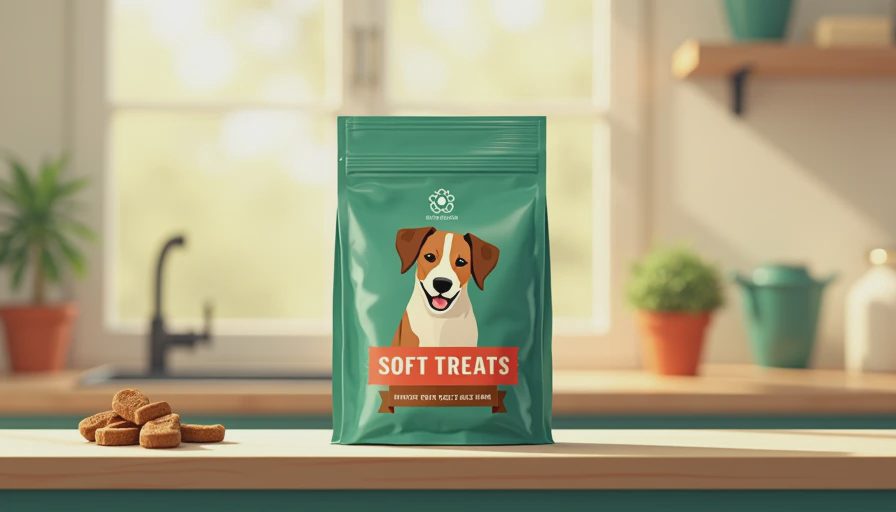
Homemade and frozen options worth trying
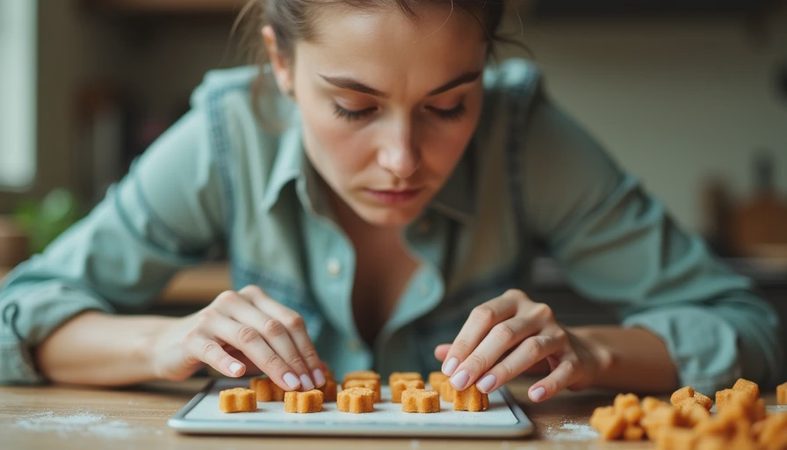
Homemade senior dog treats can be simple. Mix plain canned pumpkin with a little oat flour, form pea-sized pieces, and bake until firm but not rock-hard. You can also freeze small portions of plain pumpkin, unsweetened applesauce, or low-sodium broth in an ice cube tray. Let frozen items soften slightly before serving, especially if your dog has painful teeth.
Do not add sugar, salt, butter, seasoning, or artificial sweeteners. A recipe that looks bland to a human is often exactly right for a dog. Store homemade snacks in the refrigerator and make a small batch first. That prevents a container of treats from going to waste if your older companion decides the new recipe is beneath them.
Homemade rewards are especially helpful for dogs who need a controlled ingredient list. They also let you cut every piece to the right size. Still, homemade food should remain a supplement unless it has been formulated to provide complete canine nutrition. Treat time should be enjoyable, but it should not unbalance the main diet.
A practical treat routine for an aging rescue
Create a daily plan instead of handing out snacks every time a paw appears. Put the day's allowance in a small container each morning. Use some during medication, some for gentle handling, and the rest for relaxed moments such as settling on a bed. When the container is empty, affection, a sniffing game, or a slow walk can take over.
Keep senior dog treats in several places, but store them securely away from curious pets. One of my foster dogs learned to open a lower cabinet and ate an entire bag overnight. The result was a worried phone call, a miserable dog, and a kitchen floor that needed serious cleaning. Airtight storage protects freshness and prevents that kind of emergency.
Watch body condition rather than relying only on the scale. You should be able to feel the ribs with light pressure, but every dog has a different healthy shape. If your dog is gaining weight, choose lower-calorie pieces, make rewards smaller, and discuss the change with a veterinarian. Weight loss, weakness, or a major appetite change also deserves attention rather than an extra handful of snacks.
Final thoughts for worried adopters
The best senior dog treats are the ones your dog can safely eat and genuinely enjoys. That might be a commercial soft bite, a crumb of chicken, a cooked vegetable, or a piece of the regular diet. The important part is the moment around it: your older dog learns that your hand brings good things, handling does not always hurt, and home can become predictable.
If you are adopting a senior dog, give the process time. The dog may ignore every treat on the first day because the shelter, car ride, and new smells are overwhelming. Try again in a quiet room tomorrow. Every good dog was once someone's "too much," and an unremarkable little snack can be the beginning of a much safer story.
Letters
No letters yet. Yours could be the first.