The cost of rescuing a dog is usually more than the adoption fee, but it does not have to be mysterious or overwhelming. If you are filling out your first application while picturing a dog asleep at your feet, you deserve honest numbers instead of guilt or a glossy success story. I have adopted, fostered, rehomed, and foster-failed enough dogs to know that the first few weeks can include joy, diarrhea, sleepless nights, and a surprise trip to the pet store before breakfast.
What the adoption fee usually covers
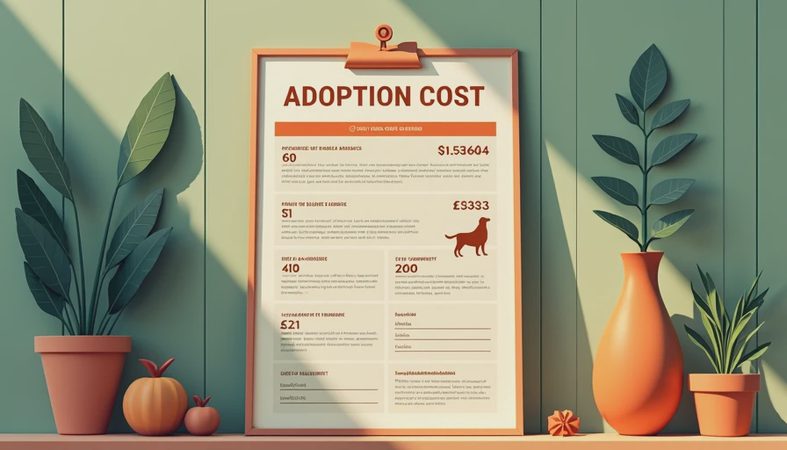
The cost of rescuing a dog often starts with an adoption fee between $50 and $500. Fees vary by location, age, breed, medical history, and whether the dog came from a municipal shelter or a private rescue. Puppies and dogs transported from crowded areas can cost more, while senior dogs or long-term residents may have reduced fees.
That fee frequently includes an initial veterinary exam, core vaccines, deworming, a microchip, and spay or neuter surgery. Some organizations also test for heartworm disease, provide flea prevention, or treat an obvious infection before adoption. Ask for an itemized medical record rather than assuming every service was completed. A $200 fee can be a bargain if it includes surgery that would otherwise cost $300 to $600.
Do not judge a shelter by a higher fee alone. A rescue that charges $450 may have paid for dental work, blood tests, transport, and months of boarding. Another organization may charge $75 but send you home with a dog needing immediate vaccines and surgery. The paperwork matters more than the number on the receipt.

Supplies can add up before your dog arrives
The next part of the cost of rescuing a dog is the setup. A basic shopping trip can run $150 to $350, especially if you need a crate, collar, harness, leash, food and water bowls, a bed, cleaning supplies, toys, and a baby gate. Large dogs often need sturdier equipment, while anxious dogs may destroy inexpensive beds within days.
You can save money without making your new dog feel deprived. Thrift stores and neighborhood buy-nothing groups are useful for metal bowls, washable blankets, and gates, though I prefer buying a new harness and checking used crates carefully for broken doors. A $12 long-lasting chew is often more useful than a basket of plush toys. Start with the essentials and learn what your dog actually likes.
Food commonly costs $30 to $100 per month, depending on size, diet, and brand. Purina Pro Plan, Hill's Science Diet, and Royal Canin are common veterinary-recommended options, but a dog with a sensitive stomach may require a slower transition or a prescription diet. Buy a small bag first. A rescue dog who arrives eating one food may refuse it after stress changes his appetite.
Plan for routine veterinary care and the unexpected
Routine care is a major part of the cost of rescuing a dog. A healthy adult may need an annual exam, vaccines, heartworm prevention, flea and tick control, and dental attention. In many areas, that totals roughly $300 to $800 per year. Large cities and specialty clinics can cost more, while low-cost vaccine clinics can reduce the bill.
The emergency fund is the uncomfortable number. A swallowed sock, broken nail that becomes infected, or sudden stomach problem can cost $200 to $1,500. Surgery, hospitalization, or advanced imaging can climb above $3,000. I am not saying this to frighten you away. I am saying it because a dog can be perfectly healthy on Monday and require an ultrasound on Tuesday.
If you cannot set aside several thousand dollars, compare pet insurance before adoption or ask about a veterinary payment plan. Accident-and-illness policies often have deductibles, reimbursement limits, and exclusions for preexisting conditions. Some adopters instead keep $50 to $150 per month in a dedicated savings account. Neither approach eliminates risk, but having a plan is kinder than hoping a crisis waits for payday.

Behavior support is a real expense, not a failure
Training belongs in the cost of rescuing a dog because behavior affects safety, sleep, furniture, and your ability to keep the adoption sustainable. A group class may cost $100 to $250 for several weeks. Private training often runs $75 to $150 per session. A veterinary behaviorist or intensive boarding program can cost considerably more.
You may need help with pulling, barking, crate panic, resource guarding, accidents, or fear of men, stairs, cars, or ordinary household noises. Those problems do not mean your dog is bad, and love alone does not reliably fix them. Look for reward-based training and ask exactly what methods are used. A cheap trainer who promises instant dominance is not a bargain if the dog becomes more frightened.
Budget for practical damage, too. An anxious dog may chew a doorframe, shred a rug, or have accidents on a mattress. Enzyme cleaner can cost $10 to $20, washable covers can save a sofa, and a sturdy exercise pen may cost $60 to $150. The goal is not a perfect house. The goal is enough management for everyone to rest.
A realistic first-year budget
For a healthy, medium-sized rescue dog, a reasonable first-year range might be $1,500 to $4,000, including adoption, supplies, food, routine care, and modest training. A dog with dental disease, allergies, surgery needs, or severe anxiety can cost much more. A senior dog may have lower adoption fees but higher medical expenses, while a young dog may cost more in training, chewing, and replacement items.
Imagine a $250 adoption fee, $250 in initial supplies, $600 for routine veterinary care and preventives, $600 for food, and $300 for training. That is already $2,000 before an emergency. This simple example is why I prefer a written budget over a vague promise that rescue is cheaper. Sometimes it is. It is never free.
Before applying, check whether your landlord allows dogs, measure your car and entryways, price local veterinarians, and ask what happens if the match fails. A responsible rescue should explain its return policy without making you feel ashamed. Rehoming safely or returning a dog can be the responsible choice when the situation is genuinely unsafe or unmanageable.
Making the decision with an open heart and a clear plan
The cost of rescuing a dog is worth considering alongside time, housing, transportation, and emotional capacity. You may need midday walks, medication schedules, slow introductions, or weeks of interrupted sleep. You may also get the first relaxed sigh, the first tail wag, and the ordinary miracle of a dog choosing your lap.
Start with the dog who fits your actual life, not the photograph that breaks your heart. Tell the rescue about your workday, other pets, fencing, activity level, and limits. Ask direct questions about bite history, separation behavior, medical needs, and what the dog is like outside the kennel. Honest answers make better matches.
Every good dog was once someone's "too much." Your job is not to prove that you can endure anything. It is to choose thoughtfully, prepare financially, and ask for help early. If you can cover the predictable costs and make a plan for the surprises, you are already approaching adoption with the kind of care a rescue dog needs.

Letters
No letters yet. Yours could be the first.