If you are filling out your first adoption application, you are probably asking, how much does adopting a dog cost beyond the fee printed on the shelter website? The honest answer is usually more than the adoption fee and less than the scary internet estimates, depending on the dog's age, health, size, and what you already have at home. A little planning can turn a hopeful Saturday visit into a responsible, manageable start.
The adoption fee is only the beginning
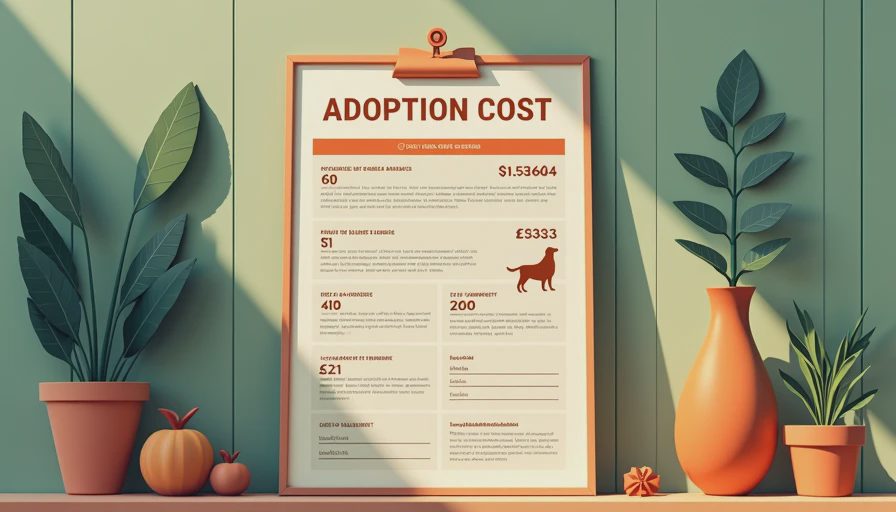
Most shelters and nonprofit rescues charge roughly $50 to $500 for a dog. Municipal shelters often sit toward the lower end, while foster-based rescues, puppies, small dogs, and dogs transported from other regions can cost more. Some organizations charge $200 to $400 for an adult dog and more for a puppy, although pricing varies widely.
That fee commonly includes spay or neuter surgery, core vaccines, a microchip, an initial examination, and sometimes heartworm testing or treatment. If you paid separately for each service, the package could easily represent several hundred dollars. Ask for an itemized list before you apply so you know whether the dog is already altered, when vaccines are due, and whether medication comes home with you.
When people ask how much does adopting a dog cost, I tell them to separate the one-time adoption payment from the first-month landing costs. The fee might be $150, but a crate, leash, food, parasite prevention, and a veterinary visit can add another $300 to $800 quickly. That does not mean adoption is unaffordable. It means the fee is not the complete budget.
A practical first-month shopping list
You do not need a designer bed or a cabinet full of matching accessories. For a medium-size dog, a sensible starting list might look like this:
- A properly fitted collar, identification tag, and six-foot leash: $25 to $70
- A secure crate or exercise pen: $50 to $180
- Food and stainless-steel bowls: $35 to $80
- Two washable beds or blankets: $30 to $100
- Baby gates, enzyme cleaner, poop bags, and a few toys: $40 to $120
- A starter supply of food: $35 to $90
That puts basic setup around $215 to $640, with crate size and product quality making the biggest difference. I have bought perfectly good leashes at a thrift store and paid too much for a bed that one nervous foster shredded overnight. Spend first on safety: a sturdy leash, secure identification, a crate if useful, and gates that prevent door-dashing.
Your first grocery trip can also expose an overlooked cost. A dog who arrives eating one brand may get diarrhea if you switch immediately to another. Buy the current food for several days, then transition gradually unless a veterinarian says otherwise. A few dollars spent on familiar food can save a frustrating carpet-cleaning episode.
Veterinary care and medical surprises
The next part of how much does adopting a dog cost is routine care. A new-adopter exam commonly costs about $60 to $150 before tests, medication, or procedures. Budget $100 to $300 for an initial visit if the dog appears healthy, and more if the veterinarian recommends fecal testing, bloodwork, dental care, or treatment for an ear infection.
Monthly heartworm and flea or tick prevention often runs $15 to $40, depending on the dog's weight and product. Annual vaccines and wellness visits may total $150 to $350. Puppies usually need several vaccine appointments, while older dogs can need bloodwork or dental cleaning. A dental procedure can cost several hundred dollars, and emergency care can reach $1,000 to $5,000 or more.
This is where pet insurance enters the conversation. Policies often cost approximately $25 to $80 per month for accident and illness coverage, with a deductible and reimbursement rules. Another approach is putting $50 to $100 monthly into a dedicated pet emergency account. Neither option removes every financial risk, but both are better than hoping an emergency never happens.
Training, decompression, and the hidden work
A rescue dog may need time before you see its normal personality. The first week can include pacing, accidents, barking, hiding, counter surfing, or refusing to eat. Those behaviors do not automatically mean the adoption is failing. They mean the dog has experienced a major change and has not learned your household rhythm yet.
Basic group classes often cost $100 to $250 for several sessions. Private training may run $75 to $150 per visit. If separation anxiety, fear, reactivity, or resource guarding appears, a qualified behavior professional can cost more. Build in money for training, but also build in time: quiet walks, predictable meals, short practice sessions, and patient management are free and extremely valuable.
When estimating how much does adopting a dog cost, include practical help. A dog walker might charge $20 to $35 per walk, and boarding can cost $35 to $75 per night. A weekend away, a long workday, or a sudden illness can make those services necessary rather than indulgent.

Sample budgets for three adoption situations
For a healthy adult dog with supplies already in the home, a realistic first month might be $150 to $400 for the fee, food, an exam, prevention, and small replacements. The first-year total could land around $1,200 to $2,500, excluding major emergencies.
For a puppy, expect a higher opening month: perhaps $300 to $600 for the fee, $250 to $600 for supplies, and $200 to $500 for vaccines, exams, and prevention. Training, replacement toys, and puppy-proofing can bring the first year to $2,000 to $4,000.
For an older dog with a known medical issue, the adoption fee may be modest while care is not. An extra $500 to $2,000 reserve is sensible if dental work, medication, or diagnostic testing is already on the record. Ask the rescue for medical documents and a plain explanation of what treatment is complete and what remains.
How to make the number manageable
Before applying, add the adoption fee, $400 for setup, three months of routine food and prevention, and at least $500 for a veterinary cushion. If that total feels tight, wait and build the cushion rather than relying on a credit card for every surprise. Borrowing a crate, shopping secondhand, and choosing a mixed-breed adult can reduce the initial bill without reducing the quality of the match.
Call two local veterinary clinics for exam and vaccine prices. Check whether your employer offers pet insurance discounts. Put the estimated monthly cost on paper beside rent, groceries, and transportation. How much does adopting a dog cost in your household? The right answer is the amount you can cover consistently, including an ordinary bad month.
And please do not let a smaller budget convince you that you are not adoption material. Shelters need thoughtful homes, not wealthy homes. Be honest about your limits, ask questions, and choose a dog whose needs match your resources. Every good dog was once someone's "too much." With a realistic plan, yours can become the companion who makes the careful budgeting worth it.

Letters
No letters yet. Yours could be the first.