If you are thinking about whether to adopt a senior pet, you have probably already imagined the hard parts. What if the dog needs expensive medicine? What if the cat hides for weeks? What if you fall in love and then have less time than you hoped? Those are real questions, not signs that you are selfish or unprepared. I have brought home enough rescue animals to know that a thoughtful adopter is often a better match than an endlessly confident one.
Senior usually means an animal in the later stage of life, but the exact age depends on the species and size. A seven-year-old Great Dane can have different needs from a seven-year-old Chihuahua, while an older cat may still spend years chasing a feather toy. The shelter can tell you what they know, but no one can promise a perfect health history or a perfectly smooth first month.
Why older animals can be such a good fit
Older pets often come with information that puppies and kittens simply cannot provide. You may already know whether a dog is house-trained, comfortable around cats, tolerant of handling, or happy to nap while you work. An adult cat may have an established litter box routine and a clear opinion about whether it enjoys being picked up. That predictability can be priceless for a first-time adopter.
An older animal may also suit a quieter household. If you do not want to spend six months surviving puppy teeth, midnight bathroom trips, and destroyed shoes, a senior dog can be a gentler match. That does not mean no work. A newly adopted animal still needs decompression time, a consistent schedule, and patient introductions. It does mean you may be meeting the personality that is already there rather than building one from scratch.
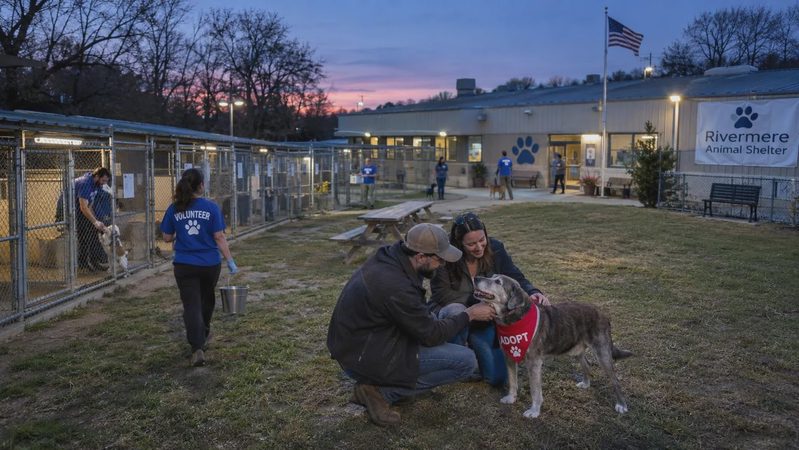
The emotional reward is wonderfully unglamorous. It might be a dog finally sleeping with its head on your foot, or a cat choosing the couch after hiding behind the washing machine. Every good dog was once someone's "too much," and sometimes the older ones are waiting for the first person willing to see the whole picture.
Make a realistic health and budget plan
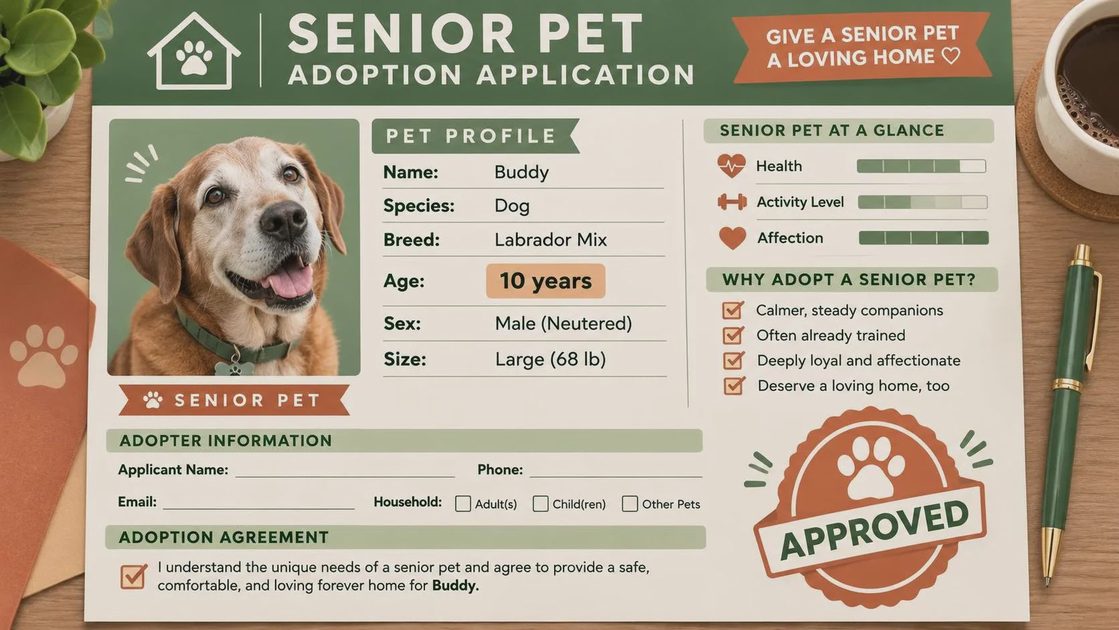
Before you adopt a senior pet, ask for every available medical record. Look for vaccination dates, dental history, bloodwork, medications, mobility notes, prior surgeries, and the reason the animal entered the shelter or rescue. Ask whether the pet has been tested for heartworm or other common conditions, and ask what follow-up care the organization recommends.
Set aside money for an initial veterinary exam during the first week home. A basic visit may cost roughly $75 to $150, while bloodwork, dental care, imaging, or prescription medication can push the first month much higher. Monthly costs might include a $20 to $80 medication bill, prescription food, joint supplements, or regular nail trims. Those ranges are not a prediction for your pet; they are a reminder to price the likely needs before signing paperwork.
Pet insurance can be difficult or expensive for pre-existing conditions, especially with an older animal. A dedicated savings account may be more practical for some households. Either way, write down the monthly food, medication, routine veterinary, grooming, and emergency amounts. Love is important, but it cannot pay an emergency invoice by itself.
Ask better questions at the shelter
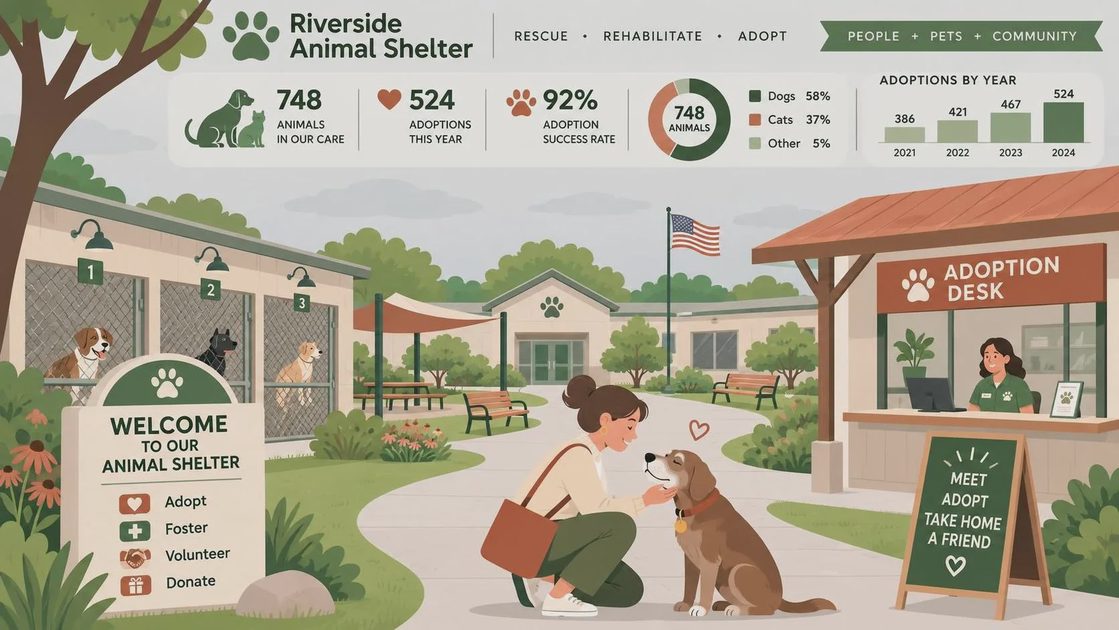
When you adopt a senior pet, do not rely only on the kennel greeting. Ask to see the animal in a quieter room or outdoor area if the shelter can arrange it. A stressed dog may bark, freeze, or pace in a noisy kennel and behave very differently in a calm space. A cat that seems withdrawn may simply be overwhelmed by unfamiliar smells and constant activity.
Useful questions include: Has the pet lived with children, dogs, or cats? How does it react to food being moved? Can staff touch its ears, paws, mouth, and hips? Does it walk comfortably on a leash? Has it shown guarding, escape behavior, or separation distress? What happens when the animal is left alone? Ask what staff have observed, not what they hope will happen.
Bring everyone who lives in your home, including resident pets when the rescue permits it. A neutral meet-and-greet can reveal tension that a photo never will. Do not force an interaction. Loose bodies, soft eyes, and the ability to disengage are encouraging. Stiff posture, intense staring, repeated lunging, or panic deserve a slower plan and possibly professional guidance.
Prepare the first two weeks before gotcha day
Set up one quiet room or gated area before the pet arrives. Put food and water away from the litter box or sleeping space, add washable bedding, and remove hazards such as loose cords, toxic plants, and open trash cans. For a dog, have an identification tag, secure harness, regular leash, enzymatic cleaner, and a properly fitted crate or safe retreat. For a cat, check window screens and block tiny spaces where an anxious animal could become stuck.
The first days should be boring on purpose. Keep meals, walks, medication, and bedtime close to the same time. Skip the welcome party and avoid introducing every neighbor at once. A senior pet may sleep more than expected, pace at night, have an accident, or refuse food during the adjustment period. Call a veterinarian promptly if the animal has repeated vomiting, trouble breathing, collapse, severe pain, or refuses food and water.
Routine builds trust faster than constant affection. Sit nearby, read a book, and let the pet decide whether to approach. A hand resting quietly beside a bed can accomplish more than an hour of coaxing.
Make the home comfortable, not complicated
Older dogs may appreciate rugs over slippery floors, a ramp for one or two steps, and a bed that supports sore joints without becoming difficult to climb out of. Raise food and water bowls only if your veterinarian recommends it, since the right setup depends on the animal. Keep walks shorter and more frequent if stamina is limited, and replace one long outing with gentle sniffing games indoors.
For senior cats, low-sided litter boxes can help with stiff hips. Put boxes on each level of the home and keep food, water, and resting places easy to reach. A heated bed should have room for the cat to move away from the heat, and electrical cords must be protected. Small environmental changes often prevent falls, accidents, and frustration.
Your pet may need enrichment that respects its body. Try a soft puzzle feeder, scent games, a cardboard box, brief trick sessions, or a sunny window perch. Mental activity counts even when a long hike is no longer appropriate.
Know when the match needs help
Sometimes the animal is not the problem and the plan is not enough. A dog that panics when left alone may need gradual absences and a qualified trainer who uses reward-based methods. A cat that stops using the litter box needs a veterinary check before anyone assumes it is being spiteful. Pain can look like irritability, avoidance, house-soiling, or sudden aggression.
If you adopt a senior pet and realize the situation is unsafe or beyond your resources, contact the rescue or shelter early. Asking for help is responsible. A return or rehoming conversation does not erase the care you provided, and it is never a reason to shame someone. The goal is a safe, sustainable placement for both sides.
Before adoption, save contact information for the veterinarian, rescue coordinator, emergency clinic, trainer, and a trusted pet sitter. Make a written care sheet with medications, feeding instructions, warning signs, and backup contacts. Preparation gives you options when you are tired and worried.
The quiet payoff of an older companion
The best reason to adopt a senior pet is not that it will be easy. It is that you can offer comfort, dignity, and a soft landing during a chapter when many animals are overlooked. In return, you may get a companion who understands the pleasure of a dependable couch, a familiar voice, and a walk that ends before anyone gets exhausted.
There will be unglamorous moments: medication hidden in cheese, laundry after an accident, and appointments you would rather not schedule. There may also be a dog who leans against your leg after weeks of standing across the room, or a cat who begins greeting you at breakfast. Those small changes are the real milestones.
If the medical, financial, and household pieces fit, apply with honesty rather than trying to sound perfect. Tell the rescue what your home can handle and where you need support. The right match is not the animal with no needs. It is the animal whose needs you can meet with patience, planning, and enough room in your life for an older heart.
Letters
No letters yet. Yours could be the first.