Some of the best reasons to adopt a senior dog are wonderfully ordinary: you may have a better sense of their adult personality, skip the puppy-chewing marathon, and find a companion who appreciates a slower day. Older dogs can still need training, exercise, and expensive veterinary care, though. If you want a dog whose needs fit your actual life—not an imaginary, endlessly energetic version of it—a senior is well worth meeting.
You can get a clearer picture of the dog in front of you
A puppy is a little mystery with paws. An older dog has already grown into their adult size, and a foster caregiver or shelter team may be able to tell you how they handle walks, visitors, other animals, and time alone. That information can help you find a match instead of guessing what a youngster might become.
Still, ask where those observations happened. A dog who seems quiet in a noisy shelter might be overwhelmed rather than naturally sleepy. A dog who happily shared a foster home with one cat won't necessarily be comfortable with every cat. Behavior can change as a dog settles in, so treat the description as a helpful starting point, not a guarantee.
I would ask, “What does a normal day look like for this dog?” The answer can tell you more than a label like “easygoing.” Listen for details about walks, rest, feeding, and what happens when the caregiver leaves.
Reasons to adopt a senior dog include skipping some puppy phases
Many senior dogs are past the stage of teething on everything within reach. Some already know cues, walk politely on a leash, or have lived in a home before. For an adopter who doesn't have the time or appetite for puppyhood, that can make an older dog appealing.
But older doesn't automatically mean house-trained. A move, stress, a different schedule, or a medical problem can lead to accidents. Start with frequent bathroom breaks and reward success outside. If accidents persist or appear suddenly, call your veterinarian rather than assuming the dog is being stubborn.
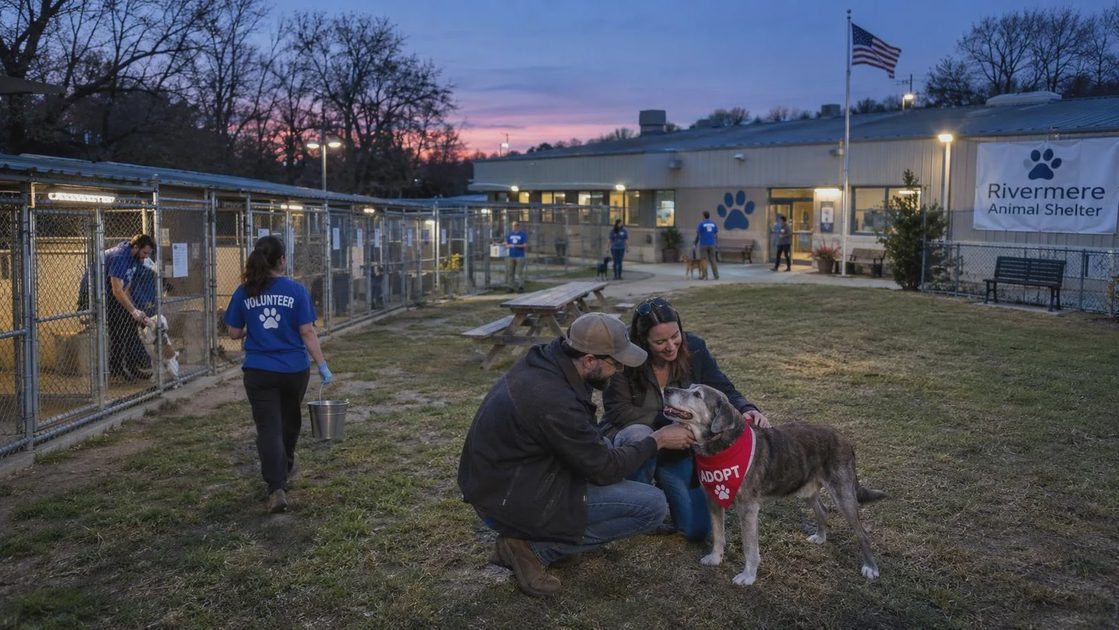
A senior can learn new routines, too. Use small rewards, keep practice sessions short, and give them time to understand what you're asking. If hearing or vision is limited, ask a veterinarian or qualified positive-reinforcement trainer about adapting your cues and environment.
A slower pace can be a lovely match
Not every older dog wants to spend the day napping. Some will happily accompany you on a brisk walk; others prefer a gentle sniff around the block followed by a long snooze. Ask about the individual dog's stamina, mobility, and favorite activities rather than choosing by age alone.
This is especially useful if you live in an apartment, work from home, or simply don't want to organize your evenings around exhausting a young athlete. A dog who enjoys a predictable routine may fit beautifully into a quieter household. They still need bathroom breaks, enrichment, affection on their terms, and regular movement suited to their health.
One of my favorite unglamorous wins is watching a rescue dog settle enough to sleep with their body relaxed. You don't have to provide a spectacular adventure every day to give a dog a good life. A comfortable bed, a chance to sniff, and a dependable routine matter, too.
You'll know more about care needs—but plan for surprises
Senior dogs can have arthritis, dental disease, hearing or vision changes, or other health conditions. Some need medication or special diets; others arrive with no known major issues. Age alone won't tell you what care an individual dog needs, and a clean exam can't promise there won't be future expenses.
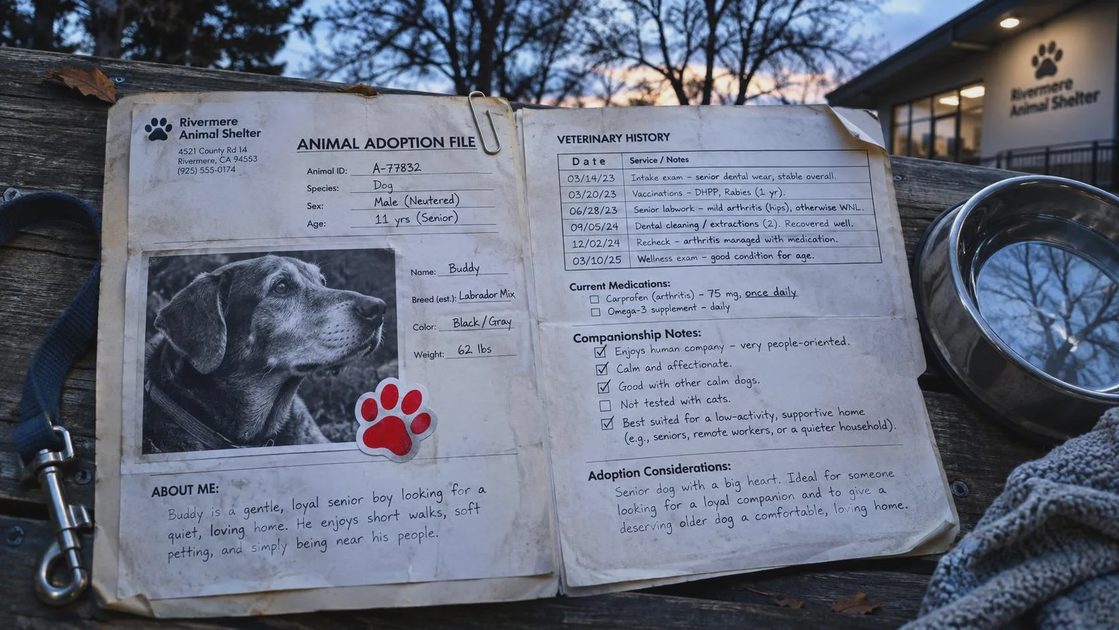
Before adopting, ask for available veterinary records and a plain-language explanation of any diagnosis, medication, or recommended follow-up. Ask the rescue what it knows and what remains unknown. Then call a veterinarian to discuss the likely ongoing care and local costs, including dental work or mobility support if those have been recommended.
Pet insurance may have age limits and generally excludes preexisting conditions, so read the policy before counting on it. A dedicated savings fund is another option. If the possible costs are beyond your budget, that's useful information—not a moral failure. You can also ask whether a rescue has a senior foster program and exactly which expenses it covers.
You can make their next chapter a good one
Older dogs enter rescue for all kinds of reasons, including changes in their person's health, housing, or finances. Their presence in a shelter doesn't tell you that they were unwanted or badly behaved. And someone who had to surrender a dog may have made a painful, loving decision with the options they had.
There is real joy in giving a dog a soft place to land without demanding that they become a completely different animal. Maybe your first victory is a meal eaten without hesitation, or a relaxed trip outside. Those small moments count.
The harder truth is that an older dog may have less time with you than a younger one, although no one can predict an individual dog's lifespan. Grief is part of loving animals. It's okay if that possibility feels manageable, and it's also okay if it doesn't. You don't owe anyone an adoption you aren't ready for.
How to choose and settle in together
At the meeting, ask what the dog enjoys, what worries them, and whether they have shown guarding, separation distress, or difficulty with handling. If you have other pets, ask the organization how it recommends introductions. A calm, planned meeting is more useful than assuming everyone will sort it out.
At home, prepare a quiet resting spot, secure slippery rugs, and consider whether stairs or getting into your car could be difficult. Give the dog space to approach you and keep visitors and outings modest at first. Arrange a veterinary appointment soon after adoption and bring the records you've received.
Finally, ask about the organization's trial period and return policy before signing. Knowing you have support if the match isn't safe or workable can take some pressure off both of you. The goal isn't to be a perfect adopter. It's to make a thoughtful choice, pay attention, and be willing to ask for help.
Letters
No letters yet. Yours could be the first.