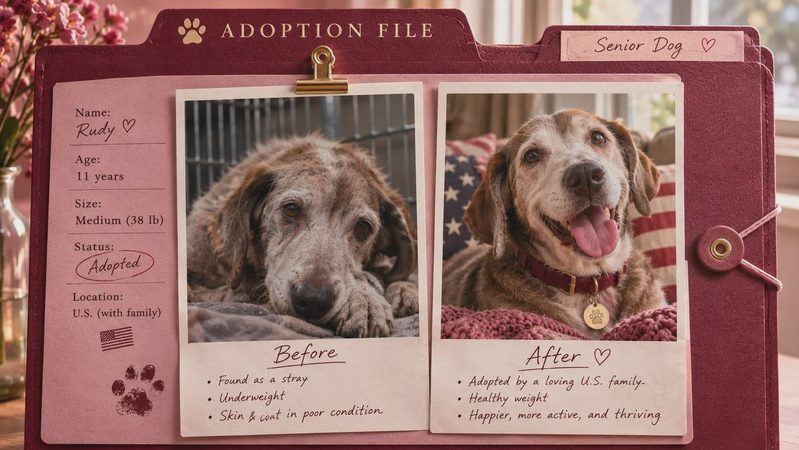
Adopting a senior dog is one of the best decisions I have ever made, but it is not a sentimental shortcut to an effortless pet. Older dogs arrive with personalities, routines, medical histories, and sometimes a few opinions about your furniture. They can also arrive already house-trained, wonderfully tired after a short walk, and ready to sit beside you while you drink coffee. If you are filling out your first application and wondering whether you are good enough, take a breath. You do not need to be perfect. You need to be prepared, honest, and willing to learn your particular dog's language.
What life with an older dog is really like
Senior does not always mean extremely old. Many shelters use the label for dogs around seven years and up, although a large breed might be considered senior earlier than a small dog. Age is only one piece of the picture. A nine-year-old terrier can be lively and mischievous, while a six-year-old hound may prefer three naps before lunch.
The first week can still be messy. Your new dog may pace at night, refuse food, bark at unfamiliar sounds, or have an accident on the rug. Some dogs need time to understand that meals will continue appearing and nobody is coming to take their bed away. A quiet dog is not automatically relaxed; freezing can be a stress response. Give the dog a predictable schedule, a low-traffic resting place, and permission to observe without constant handling.
One benefit of adopting a senior dog is that you can often see the adult personality more clearly. Shelter staff or a foster caregiver may know whether the dog enjoys cats, tolerates children, rides in a car, or needs slow introductions. Ask for examples rather than labels. “Good with dogs” is useful, but “played politely with a calm beagle in a fenced yard” tells you much more.

The questions to ask before you say yes
Before adopting a senior dog, ask what medical records are available and whether the dog has been spayed or neutered, vaccinated, microchipped, and tested for common conditions. Request the medication list, recent bloodwork, dental history, and the name of the food currently being fed. A rescue cannot always know everything, especially when a dog was found as a stray, but a clear answer about what is unknown is still valuable.
Ask about mobility and daily care. Can the dog climb stairs? Does it rise comfortably after sleeping? Can it hold urine overnight? Has it shown pain when touched around the hips, ears, or mouth? Find out whether the dog has separation anxiety, resource guarding, bite history, or fear of men, doorways, traffic, or grooming. These are not automatic deal-breakers. They are planning information.
Also ask about the return policy and post-adoption support. A responsible organization should give you a reasonable adjustment period and explain what happens if the match is unsafe or genuinely unworkable. Returning a dog is painful, but hiding a serious mismatch helps nobody. Every good dog was once someone's “too much,” and an honest placement is kinder than a hopeful one that collapses.
Budgeting for comfort, care, and surprises
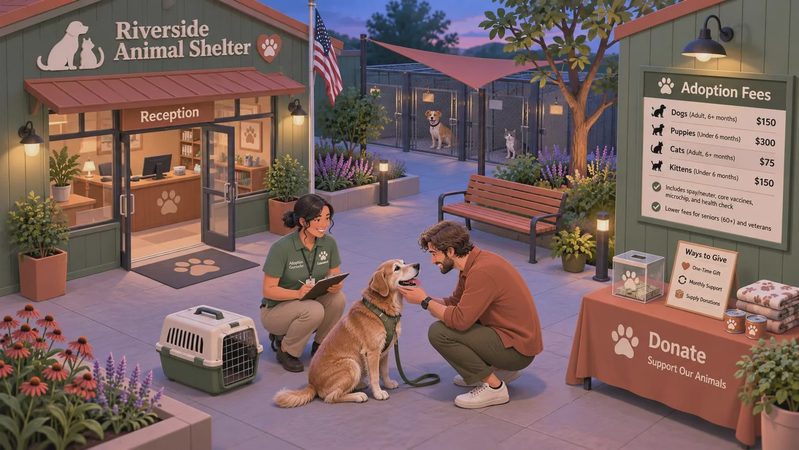
The adoption fee is only the starting line. Plan for an initial veterinary visit, which can cost roughly $100 to $300 before additional tests. A dental cleaning might run from several hundred dollars to more than $1,000, depending on extractions and regional pricing. Prescription medication, arthritis supplements, blood tests, and specialist appointments can add another $20 to $200 per month or more.
You do not need to buy an entire pet store. Start with a washable bed, secure collar, identification tag, sturdy leash, food and water bowls, a baby gate, enzymatic cleaner, and whatever food the dog already tolerates. A ramp or orthopedic bed can be a worthwhile upgrade for a dog with stiff joints. Pet insurance can help with eligible future accidents and illnesses, but pre-existing conditions are commonly excluded, so read the policy before relying on it. A separate emergency fund of $1,000 to $2,000 gives you breathing room while you learn the dog's needs.
For example, a healthy senior dog might cost little beyond routine care for months. Another may need a dental procedure soon after adoption, followed by daily thyroid medication. Neither outcome means you made a bad choice; it means the financial picture was incomplete. Set a monthly pet budget before the adoption appointment, not after the first unexpected invoice.

Building trust without rushing the relationship
Adopting a senior dog does not require forcing affection. Let the dog approach you, and reward small choices such as looking at you, stepping onto a bed, or walking through a doorway. Feed meals at regular times and use the same short phrases for ordinary events. Predictability is more comforting than a busy welcome party.
For the first couple of weeks, keep outings simple. A ten-minute sniff walk can be better than a crowded dog park. Avoid introducing every neighbor, relative, and pet on the first weekend. If the dog growls, do not punish the warning. Increase distance, remove the pressure, and contact a qualified positive-reinforcement trainer if the behavior continues. A growl is information, not a character flaw.
Sleep and appetite are useful clues, but improvement is rarely a straight line. A dog may happily accept a leash on Tuesday and hide from it on Wednesday. Celebrate the unglamorous wins: using the yard, resting while you leave the room, accepting a pill in cheese, or choosing to sit beside you. Those moments are the foundation of trust.
Helping an older dog stay comfortable
Your veterinarian can help create a preventive care plan based on age, breed, weight, and history. Routine exams can catch dental disease, arthritis, skin problems, vision changes, and other concerns before they become emergencies. Never give human pain medication unless a veterinarian specifically directs you; several common products are dangerous for dogs.
Keep the floor clear if balance is poor, add traction on slippery stairs, and place water where the dog spends time. Short walks, gentle play, and food puzzles can provide exercise without exhausting an aging body. Watch for changes such as repeated nighttime restlessness, difficulty standing, sudden accidents, coughing, or a sharp drop in appetite. A simple notebook tracking meals, medications, walks, and symptoms makes veterinary conversations much easier.
Adopting a senior dog can also mean preparing for grief sooner than you would with a puppy. That truth is heavy, but it does not cancel the years ahead. A comfortable older dog still has birthdays, sunny windows, ridiculous habits, and ordinary Tuesdays that become precious because you shared them.
Deciding whether this match fits your home
Think about your actual schedule, not the version of yourself you hope to become. If you work long shifts, a dog who needs frequent bathroom breaks may struggle. If you have cats, ask for a slow, supervised introduction plan. If your home has stairs, choose a dog who can manage them or budget for a gate and carrying strategy. If children visit, establish a quiet dog-only zone where nobody follows the dog.
Adopting a senior dog is a strong fit for someone who values routine, companionship, and visible progress over constant adventure. It may be harder if you want a running partner, have no emergency fund, or cannot accommodate medication and mobility changes. A foster-to-adopt arrangement can provide useful information when an organization offers one.
You are allowed to ask for time, request records, and say no to a dog who is not right for your household. You are also allowed to choose the sleepy shepherd mix who snores beside your chair after one careful walk. If you move forward, bring patience, a practical budget, and a sense of humor. Adopting a senior dog is not rescuing a broken animal. It is making room for a whole dog whose best chapter may simply need a place to begin.
Letters
No letters yet. Yours could be the first.