Adopting older dogs can feel like a brave choice when every shelter post seems to feature a wiggly puppy. I understand the hesitation. You might wonder whether an adult dog will bond with you, whether old habits can change, or whether medical bills will swallow your budget. After more than a dozen years of rescue work, I can tell you this: the right older dog can settle into your life with surprising grace. You are not getting a blank slate, but you are getting a real personality, useful clues about temperament, and a chance to give a tired animal a soft place to land.
Why adopting older dogs can be a wonderful fit
Adopting older dogs often means skipping the most exhausting parts of puppyhood. You are less likely to face months of nighttime accidents, sharp puppy teeth, chewed baseboards, and constant supervision. Many adult dogs already understand basic household routines, including sleeping through the night, riding in a car, and walking on a leash. That does not mean every dog arrives polished. A seven-year-old dog can still pull, bark, guard food, or panic when left alone. It does mean the shelter or foster home may be able to describe an established personality rather than guess how a puppy will mature.
Older dogs can also be easier to match with a particular home. A rescue may know whether a dog enjoys cats, ignores children, prefers quiet neighborhoods, or needs a fenced yard. That information is gold for a first-time adopter. Instead of choosing a cute face and hoping for the best, you can look for a dog whose energy, size, and social needs fit your actual Tuesday night. A calm adult dog may be a better companion for an apartment resident than a high-drive young dog who needs two hours of exercise every day.
What adopting older dogs really costs
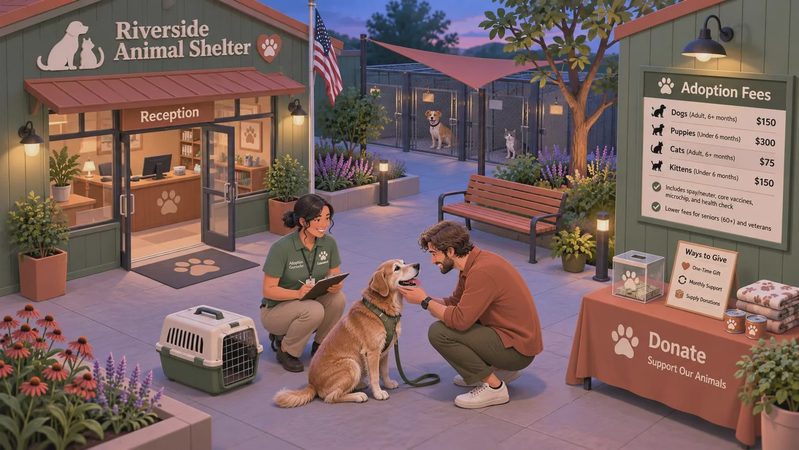
The adoption fee is only the opening number. Depending on the rescue, region, age, and medical history, an adult dog’s fee might range from about $100 to $500. Ask what that fee includes. A reputable organization should explain whether the dog has received vaccinations, a microchip, spay or neuter surgery, a heartworm test, and basic veterinary care. Request copies of records instead of relying on a quick verbal summary.
Budget for the first month separately. A wellness visit may cost $75 to $200 before medications or testing. A dental cleaning can run several hundred dollars, and ongoing prescriptions for arthritis, allergies, thyroid disease, or anxiety might add $20 to $100 or more each month. Pet insurance can help with eligible future accidents and illnesses, but preexisting conditions are commonly excluded, so read the waiting periods and coverage limits before enrolling. If insurance is not realistic, putting $50 to $100 per month into a pet emergency fund is a sensible beginning.
This is not a reason to reject every senior dog. It is a reason to ask clear questions. A rescue that is honest about a dog’s limp, dental tartar, or medication needs is giving you useful information, not ruining the adoption. Adopting older dogs works best when the financial picture is visible before the paperwork is signed.
Preparing your home before the dog arrives
Preparation should be boring and practical. Buy a properly sized collar, an identification tag with your phone number, a six-foot leash, washable bedding, stainless-steel bowls, and food that matches the dog’s current diet. If you plan to change food, transition gradually over several days unless a veterinarian directs otherwise. Keep chocolate, grapes, medications, cleaning products, and loose trash behind closed doors. A baby gate can create a quiet zone without forcing a nervous dog into a crate.
Do not invite the entire neighborhood over for a welcome party. The first few days should be quiet: short walks, regular meals, plenty of sleep, and limited handling. Many adopted dogs hold themselves together at the shelter and then become restless once they reach safety. Others shut down so completely that their real personality appears weeks later. Adopting older dogs requires patience with that reveal. A dog who seems aloof on day one may be following you from room to room by day twenty-one.
If you already have pets, make the first meeting outdoors on neutral ground with two handlers. Walk parallel at a comfortable distance, then allow brief sniffing before moving again. At home, feed animals separately and remove high-value toys until you understand the relationships. Never leave new pets together unsupervised simply because the first introduction looked friendly.
The first weeks: building trust without rushing
Adopting older dogs is not an instant-love contest. Your new companion may need time to learn that meals arrive reliably, doors do not slam unpredictably, and you come back after leaving. Use a consistent schedule for meals, potty breaks, walks, and bedtime. Predictability lowers stress more effectively than constant affection, especially for a dog who does not yet know what your affection means.
Reward behaviors you want to see. When the dog looks at you after hearing a loud noise, quietly offer a treat. When four paws remain on the floor, greet calmly. When the dog chooses a bed instead of pacing, let that choice pay off with rest. Avoid punishment for accidents, growling, hiding, or stealing food. Those behaviors are communication. A growl is valuable information that the dog is uncomfortable; suppressing it without changing the situation can make future warnings less obvious.
Adopting older dogs may expose habits that were invisible in a kennel. You could discover separation anxiety, leash frustration, guarding, or fear of men, stairs, thunderstorms, or car rides. A force-free trainer can help you create a plan, and your veterinarian can check whether pain is making irritability worse. Progress may look unglamorous: taking one calm step toward the front door, sleeping through a full night, or accepting a harness without freezing. Those are genuine wins.
Choosing the right match and knowing when to ask for help
Before applying, write down your nonnegotiables. Can you manage a dog who cannot climb stairs? What happens during your nine-hour workday? Are cats, children, roommates, or frequent visitors part of the household? Ask the rescue for a candid description of energy level, handling tolerance, resource guarding, house-training, and time spent alone. Ask what the dog has done, not just whether the dog is “good.” Specific answers such as “barks at delivery trucks but settles after five minutes” are far more useful than labels.
A foster-to-adopt arrangement can be especially helpful when available. It gives everyone time to see how the dog handles your home, schedule, pets, and neighborhood noise. Keep notes during the trial so you can notice patterns instead of judging one difficult afternoon. If the match is unsafe or unmanageable, contacting the rescue promptly is responsible. Returning a dog is painful, but hiding a serious problem helps no one. Rehoming decisions deserve honesty rather than shame.
Adopting older dogs is also a commitment to adjustment, not a promise that you will never struggle. Rescue fatigue is real. Arrange backup care before an emergency, identify a veterinary clinic, and tell one trusted person when you are having a hard week. You do not have to be endlessly patient every minute to be a good adopter.
The quiet rewards that arrive later
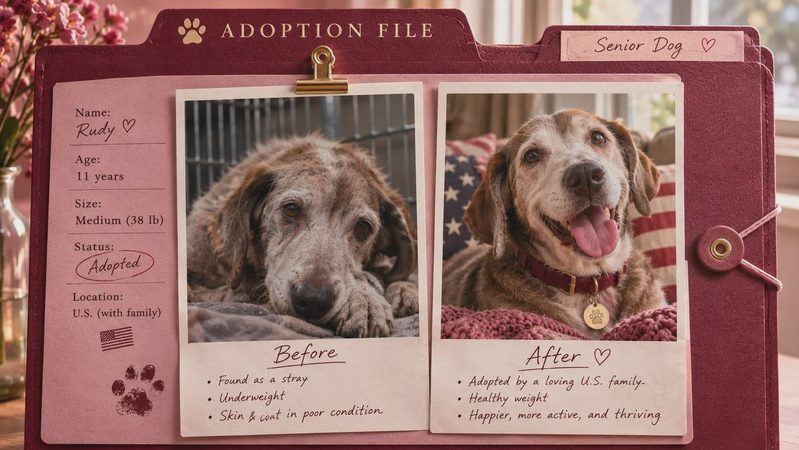
The best part of adopting older dogs is often how ordinary the happy ending looks. It is a dog resting its chin on your knee while you read. It is a morning walk taken at a comfortable pace, followed by a nap in a patch of sunlight. It is discovering that the dog who trembled near the doorway now waits there with a loose tail because the leash predicts something good.
Every good dog was once someone’s “too much.” Sometimes “too much” meant medical needs, grief, noisy fear, or simply an owner whose circumstances changed. You cannot promise to erase a dog’s past, and love does not replace training or veterinary care. You can offer structure, safety, and the chance to be understood. If adopting older dogs feels right for your household, start with honest questions and a realistic budget, then let trust grow at the dog’s pace.
Letters
No letters yet. Yours could be the first.