Adopting senior dogs can feel both hopeful and intimidating. You may picture a calm companion curled beside your chair, then immediately wonder about medical bills, grief, house-training, or how much time an older dog has left. Those concerns are reasonable. They do not mean you are unprepared or selfish; they mean you are thinking seriously about the commitment.
I have brought home dogs who settled in by bedtime and dogs who spent three weeks hiding behind a recliner. Older rescues are not all alike. Some arrive with excellent manners and a history of living in a home. Others need patience, medication, dental work, or help learning that a quiet household is safe. The reward is often a relationship built through small, unmistakable wins.
Why adopting senior dogs can be such a good fit
Senior dogs often have a clearer personality than puppies or young adults. You can usually observe whether a dog enjoys visitors, tolerates handling, walks politely, or prefers a quiet afternoon. Size and energy level are also more predictable. A seven-year-old dog who naps after a short walk may fit an apartment better than a high-drive adolescent who needs several hours of activity.
Many older dogs already understand basic household routines. They may know where to sleep, how to walk on a leash, and why shoes are not chew toys. That does not guarantee a seamless transition, but it can remove some of the exhausting guesswork. I have watched shy senior dogs become reliable kitchen shadows, waiting patiently while dinner cooks and following their person from room to room.
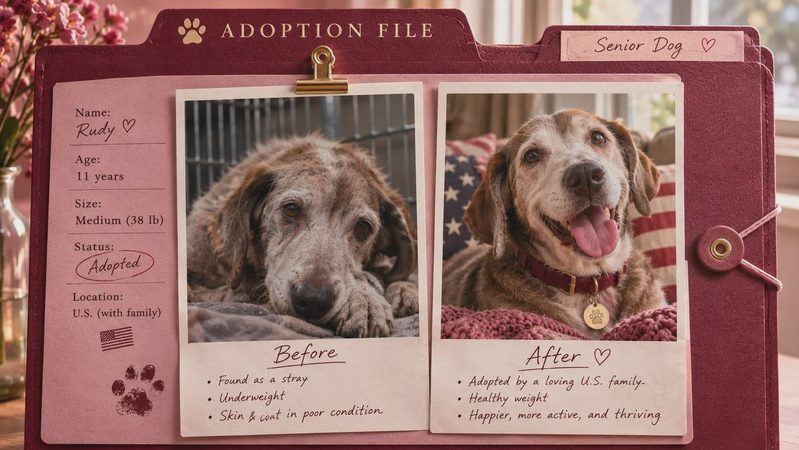
There is also a special tenderness in giving an overlooked dog a comfortable chapter. Every good dog was once someone's “too much.” Sometimes “too much” really meant a dog who needed expensive care or a slower pace. Sometimes it meant a family had a life change. The reason for surrender does not define the animal in front of you.

What to ask before bringing an older dog home
Before adopting senior dogs, ask specific questions rather than relying on a general description such as “sweet” or “good with everyone.” Ask how the dog behaves around children, cats, men, visitors, food bowls, nail trims, car rides, and other dogs. Find out whether the dog has lived indoors, slept through the night, used stairs, or had accidents in the shelter environment.
Request every available veterinary record. You want vaccination dates, medication instructions, bloodwork, dental history, previous surgeries, and any diagnosis such as arthritis, heart disease, diabetes, or kidney problems. Ask whether the dog has a microchip and whether the rescue will help transfer registration. If the dog takes medication, request the generic name, dose, schedule, and approximate monthly cost.
A basic pre-adoption budget might include a $100 to $300 initial examination, vaccines or parasite prevention, and several hundred dollars for dental cleaning if one is needed. Monthly expenses can range from roughly $60 for food and routine prevention to much more for prescription diets or medication. Pet insurance can be difficult or expensive for preexisting conditions, so do not purchase a policy assuming it will cover an already documented illness.
Preparing your house and schedule
Adopting senior dogs goes more smoothly when the first week is deliberately boring. Set up a bed in a low-traffic room, place water nearby, and use washable blankets while you learn the dog’s bathroom habits. Block access to stairs if the dog is unsteady. A rubber-backed runner can help an arthritic dog cross slick floors without sliding.
Plan to take at least a few quiet days off if possible. Do not invite the whole family over for a welcome party. Let the dog observe the home without being pulled into hugs or crowded by curious pets. Feed the same food the rescue used for the first several days, then change gradually if your veterinarian recommends a different diet.
If you already have pets, introduce them outdoors or in another neutral area with two handlers. Keep leashes loose, end the meeting before either animal becomes overwhelmed, and separate them for meals and high-value treats at first. Even a friendly older dog may need time to understand the resident pet’s routines.
The first month is about information, not perfection
During the first few weeks of adopting senior dogs, track eating, drinking, bathroom trips, sleep, coughing, limping, and reactions to ordinary household sounds. A simple notebook can reveal patterns that are easy to miss. Maybe accidents happen only after long naps, or stiffness appears after a longer walk. Those details help your veterinarian and prevent you from guessing.
Schedule a veterinary appointment soon after adoption, even if the shelter completed an exam. The visit can establish a baseline and identify pain that looks like irritability. Older dogs often benefit from practical changes such as shorter walks, ramps, joint supplements recommended by a veterinarian, better dental care, or medication for arthritis. Never give human pain relievers unless a veterinarian specifically directs you; several common products are dangerous for dogs.
Behavior changes deserve compassion and attention. A dog who growls when lifted may be frightened or hurting, not “dominant.” A reward-based trainer can help you create safer handling routines. Use baby gates, a predictable schedule, and distance instead of punishment. Trust grows when the dog learns that you listen to warnings.

Handling the emotional side of senior adoption
Adopting senior dogs means accepting that your time together could be shorter than you want. That thought can make people avoid older animals entirely, but avoiding possible grief also means missing real companionship. The goal is not to pretend loss will be easy. The goal is to give the dog comfort, consistency, and good days now.
You may also feel guilty if bonding is slow. I have loved dogs who did not immediately feel like “my dog.” Connection can arrive through ordinary repetition: refilling a water bowl, adjusting a blanket, sitting nearby during a thunderstorm, or discovering that the dog waits by the door when you leave. A return, when genuinely necessary for safety or health, is not proof that you did not care. Honest rescue organizations would rather help than see a placement fail quietly.
A realistic decision before you apply
Think about your schedule, mobility, finances, and support system. Can you manage a dog who needs medication twice daily? Is there a neighbor, sitter, or relative who can help during an emergency? If stairs are unavoidable, can you safely carry the dog or install a gate? Would a foster-to-adopt arrangement give everyone useful time to adjust?
The best match is not always the dog with the saddest story. It is the dog whose needs fit your actual life. For one adopter, that might be a mellow twelve-year-old who sleeps while they work from home. For another, it might be a playful eight-year-old who enjoys weekend walks. Be honest on the application, ask uncomfortable questions, and let the rescue guide you toward a workable match.
Adopting senior dogs is not a shortcut to an effortless pet, but it can be a deeply satisfying way to build a life together. Prepare for medical care, protect the dog’s dignity, and celebrate progress that looks small from the outside. The first relaxed sigh, the first confident tail wag, and the first night spent peacefully in a new bed all count. Sometimes the dog you thought had the least time left gives you the most meaningful years.
Letters
No letters yet. Yours could be the first.