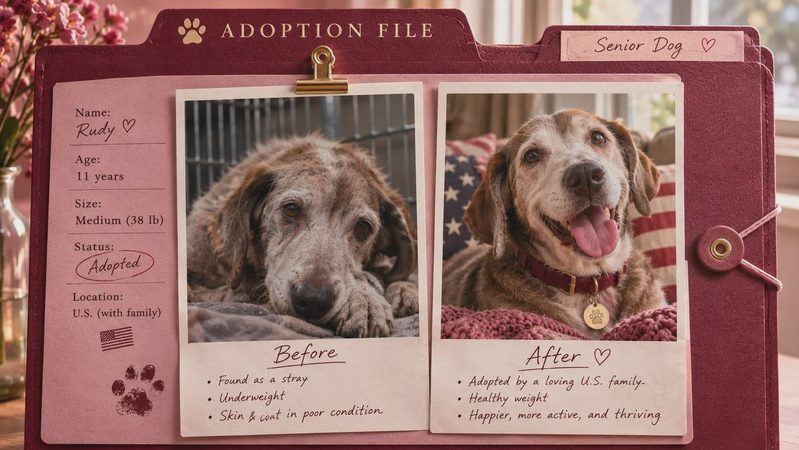
Fostering older dogs is one of the kindest ways to help a rescue animal, especially when you are not ready to make a permanent adoption commitment. Senior dogs are often passed over for younger, bouncier pets, yet many are already house-trained, comfortable with routines, and grateful for a quiet place to land. I have watched gray muzzles blossom after only a few safe nights. The first win may be a dog sleeping through the night, not a dramatic transformation, and that still counts.
Why an older dog might need you
Older dogs enter shelters for all kinds of reasons. A guardian may become ill, a family may lose housing, or a dog may simply be surrendered after years of being someone’s companion. Their age does not tell you their whole story. A seven-year-old hound can still enjoy long walks, while a twelve-year-old terrier may want nothing more than a sunny rug and a short sniff around the block.
Fostering older dogs gives a rescue group valuable information that a kennel cannot provide. You can report whether the dog uses stairs, rides in a car, tolerates grooming, sleeps in a crate, and lives peacefully with cats or other dogs. Those details help the rescue write an honest adoption profile instead of guessing from a stressful shelter visit. You also give the dog a chance to show personality beyond barking, pacing, or looking shut down behind a kennel door.
There is another practical benefit: senior dogs are often easier for a busy household to manage than puppies. They may need fewer hours of exercise, fewer training sessions, and less supervision around shoes and electrical cords. That does not mean they require no care. It means the work often looks different.

Prepare your home before the dog arrives
Before fostering older dogs, make one quiet area where the new arrival can decompress. A washable bed, water bowl, leash, food, baby gate, and a few low-value treats are enough to begin. Do not spend $300 on a new crate or orthopedic mattress before you understand what the dog likes. A secondhand bed with a clean blanket can be perfectly fine for the first week.
Ask the rescue for the dog’s food, medication schedule, vaccination records, microchip information, and known triggers. Confirm who pays for veterinary visits and whether you should seek approval before non-emergency care. Keep the first several days boring. Use the same door for potty breaks, feed meals at predictable times, and avoid inviting a parade of visitors to meet the new houseguest.
If you have resident animals, separate them at first. Trade bedding so they can learn one another’s scent, then try brief introductions outdoors or in a neutral area. Feed pets separately and remove high-value chews until you understand the household dynamics. Even a friendly dog can guard a couch, a bowl, or a favorite person during a stressful transition.
Expect a slower first week
Fostering older dogs can feel strangely quiet at the beginning. A dog might sleep most of the day, refuse to play, or follow you from room to room without showing much expression. That is not necessarily depression or failure. Some dogs are conserving energy while they figure out whether this new home is safe.
Look for small signals. The dog eats breakfast when you leave the room. The tail lifts during a walk. A stiff body softens near the sofa. The dog chooses to rest in the open instead of hiding behind a chair. These are meaningful changes, even when they would not make a dramatic adoption video.
Keep a simple daily note with meals, bathroom habits, medications, sleep, energy, and reactions to people or animals. A rescue coordinator can make better decisions from concrete observations than from “he seems better.” Notes also help you notice patterns, such as stiffness after a long walk or anxiety when the television is loud.
Health and mobility deserve attention
A senior dog may arrive with arthritis, dental disease, skin problems, hearing loss, or an untreated medical condition. Do not assume every slow step is just age. Tell the rescue about limping, coughing, appetite changes, vomiting, diarrhea, or unusual thirst. A basic examination can reveal a manageable issue and improve the dog’s comfort quickly.
Fostering older dogs does not require you to become a veterinary expert. It does require realistic planning. Ask whether the dog needs short walks, ramps, non-slip rugs, joint supplements, prescription medication, or help getting into a car. A $20 traction mat can matter more than an expensive toy if the dog is nervous on hardwood floors.
Medication can become part of ordinary life. Hide a pill in approved food, use a written schedule, and keep medicines away from every animal in the home. If the rescue cannot cover a recommended treatment, discuss that before agreeing to foster. Clear boundaries protect both your household and the dog.

The emotional part is real
Fostering older dogs can be especially tender because you may wonder how much time the animal has left. You might become attached after seeing a previously frightened dog snore beside your feet. You might also feel guilty when you cannot adopt. Neither feeling makes you a bad foster.
A foster home is not a waiting room where you are supposed to remain emotionally untouched. It is a bridge. You provide information, comfort, and a safe routine so the next person can make an informed decision. Sometimes the right outcome is adoption by another family. Sometimes it is a foster failure. Sometimes a dog needs to return to the rescue because the match is unsafe or unsustainable. Honest communication is kinder than silently struggling until everyone is in crisis.
If you are considering fostering older dogs but work long hours, have mobility limitations, or already care for several pets, say so on the application. A good rescue should help match you with a dog whose needs fit your home. You can request a calm dog, a house-trained dog, or one who does not need stairs. Being specific is responsible, not selfish.
Help the right adopter find the dog
The best adoption profile includes ordinary details. Explain how the dog behaves at 7 a.m., whether meals need to be separated, how long a walk is comfortable, and what happens when someone knocks. Share the funny parts too: the dog who carries one sock everywhere, refuses rain, or sleeps upside down with a paw in the air.
Fostering older dogs often reveals qualities that photographs miss. A senior may be an excellent companion for someone who wants a steady walking partner without puppy energy. Another may suit a quiet apartment, while a different dog needs a fenced yard or an only-pet home. Do not promise that a dog is “perfect.” Describe the real dog so an adopter can succeed.
Ask the rescue about meet-and-greets, trial periods, transportation, and post-adoption support. A thoughtful handoff can include the dog’s food, medication instructions, favorite blanket, and a page of notes. That continuity makes the first night easier for everyone.
A simple first-time foster plan
If you are new to fostering older dogs, start with a short commitment if the rescue allows it. Clear your calendar for the first two days, prepare a quiet room, and tell household members not to crowd the dog. Take slow walks, reward calm behavior, and avoid testing limits just to see what the dog can tolerate.
At the end of the first week, review your notes with the coordinator. Discuss energy, bathroom habits, medical concerns, separation behavior, and compatibility with your pets. If the arrangement is working, you can build gradually from there. If it is not working, speak up early. Rehoming a foster through the rescue is safer than placing the dog informally or pretending everything is fine.
Every good dog was once someone’s “too much.” With patience and accurate expectations, fostering older dogs lets you meet the quieter version of rescue: a soft sigh, a steady routine, and a tired face finally relaxing in a safe home.

Letters
No letters yet. Yours could be the first.