If you are searching for mature dogs for adoption, you may already be imagining the quiet parts: a gray muzzle resting on your knee, a slow morning walk, or a dog who finally sleeps soundly in a real bed. You may also be wondering whether an older rescue will come with too much history. That is a fair question. I have adopted enough animals to know that the answer is rarely simple, but it is often hopeful.
A mature dog is generally past the puppy stage, usually around five years or older, although shelters and rescues use different age ranges. These dogs can be overlooked beside bouncy puppies, yet they often bring something wonderful: a clearer personality. You can learn whether a dog enjoys cats, car rides, visitors, or couch time before signing the adoption papers.
Why older rescue dogs deserve a serious look
Puppies are adorable, but they are also tiny household demolition crews with sharp teeth and unreliable bladder control. A mature dog may already understand basic routines, sleep through the night, and know that shoes are not snacks. That does not mean every older dog arrives perfectly trained. It means you are more likely to see the dog you are actually bringing home.
Mature dogs for adoption can be an excellent match for first-time adopters, apartment residents, and people with busy work schedules. A five-year-old hound who enjoys two relaxed walks may fit your life better than a high-energy puppy who needs hours of exercise and supervision. Older dogs can still be playful, curious, and athletic, but their needs are often easier to measure.
There is also a deeply practical advantage. Rescue groups frequently know more about an adult dog's habits than they can know about a young puppy. Foster notes might tell you how the dog behaves around children, whether they guard food, how they handle alone time, and what kind of leash walking to expect. Those details help you make a thoughtful decision instead of choosing based only on a photograph.

How to choose the right dog for your household
Start with your actual Tuesday, not your imaginary Saturday. How long is the dog alone? Do you have stairs, a fenced yard, cats, small pets, or frequent visitors? Are you looking for a hiking partner, a gentle companion, or a dog who will happily nap beside your desk? Write down your nonnegotiables before scrolling through listings.
When meeting mature dogs for adoption, ask direct questions. What happens when the dog sees another dog? Has the dog lived with cats? Does the dog pull, bark, or freeze on walks? How does the dog respond to handling around the ears, feet, and mouth? Ask whether there have been bite incidents, resource guarding, escape attempts, or separation distress. Honest answers are not reasons to reject every dog. They are information you need to plan safely.
Watch body language during the meeting. A dog who turns away, licks their lips, yawns repeatedly, or hides may be overwhelmed rather than unfriendly. Give them space and ask whether you can meet again in a quieter setting. A short shelter visit can show you a snapshot, not the whole personality.
Ask about medical records, medications, dental care, vaccines, heartworm testing, and spay or neuter status. Senior dogs can have higher veterinary costs, especially for arthritis, dental disease, allergies, or thyroid problems. A routine exam might cost $75 to $150, while bloodwork, dental treatment, or imaging can add hundreds. Pet insurance, a dedicated savings account, or a realistic emergency fund can make those costs less frightening.
Preparing before the adoption appointment
Preparation does not need to be expensive. A sturdy leash and flat collar may cost $15 to $35, a properly fitted crate can range from $50 to $150, and washable bedding is often available for under $40. Set up a quiet decompression area before the dog arrives. Include water, food, a bed, a chew approved for their size, and a baby gate if you need to manage rooms.
Do not plan a welcome party. The first few days should be deliberately boring. Let the dog sleep, sniff, eat, and observe. Keep walks short and predictable. Avoid dog parks, crowded patios, grooming appointments, and introductions to every neighbor until you understand how the dog handles stress.
If you already have pets, arrange a neutral introduction outdoors with two handlers. Walk parallel at a comfortable distance, rewarding calm behavior, and avoid forcing face-to-face contact. At home, feed animals separately and remove high-value toys at first. Supervision is not optional during the adjustment period, even if the first meeting seems magical.
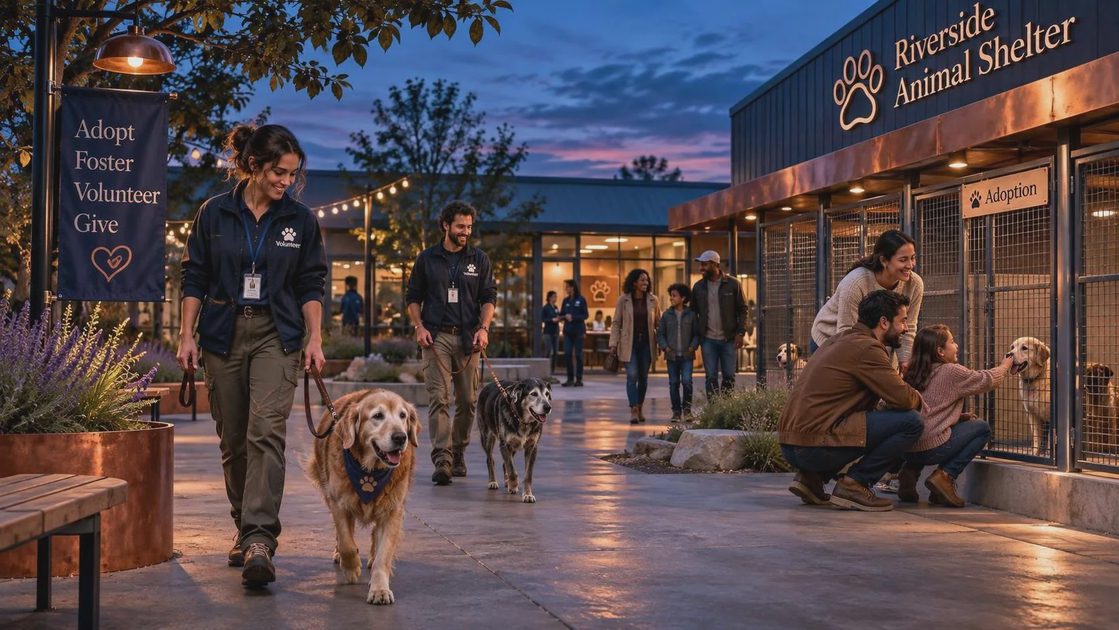
The first month is information, not a final exam
Many adopted dogs behave differently after leaving the shelter. Some are unusually quiet for several days, then become playful once they feel safe. Others seem affectionate at first and later reveal anxiety, barking, or guarding. This is not necessarily deception. Stress can suppress normal behavior, and a new home brings unfamiliar sounds, smells, rules, and routines.
Use a simple schedule: breakfast, bathroom break, walk, rest, dinner, and bedtime at similar times. Keep a notebook for appetite, stool, sleep, triggers, and small improvements. A dog who previously paced for an hour may settle after twenty minutes. A dog who would not approach may accept a treat from your hand. Those unglamorous changes are real progress.
Choose reward-based training and find a qualified trainer if problems feel beyond your experience. Punishment can increase fear and make aggression harder to predict. If the dog shows sudden confusion, pain, house-soiling, or a dramatic behavior change, schedule a veterinary visit rather than assuming it is stubbornness.
Mature dogs for adoption still need boundaries, exercise, enrichment, and patience. Their age does not erase the need to learn your household. It simply gives you a better chance of building on an established personality instead of starting from scratch.
What a successful adoption can really look like
Success is not always an instant bond. Sometimes it is a dog choosing to sleep with their back turned toward you because they finally feel safe. Sometimes it is a first loose-leash walk, a calm elevator ride, or a week without an accident. Love can arrive quietly, after competence and trust have had time to do their work.
If an adoption is unsafe or genuinely unmanageable, asking the rescue for help is responsible, not shameful. A reputable organization should discuss behavior support, veterinary care, foster decompression, or a return plan before placement. Rehoming thoughtfully is different from abandoning an animal, and pretending everything is fine helps nobody.
The best mature dogs for adoption are not perfect dogs waiting to reward a perfect person. They are individual animals with preferences, limits, habits, and histories. Your job is not to rescue a dog through sheer willpower. Your job is to find a workable match and provide steady care.
Every good dog was once someone's "too much." With an honest application, sensible preparation, and room for a slow beginning, an older rescue may become the companion who fits your real life better than any puppy fantasy ever could.
Letters
No letters yet. Yours could be the first.