Older dog rescue is not a consolation prize for people who missed out on a puppy. It is a way to bring home a dog who already has a personality, a history, and usually a very clear opinion about squeaky toys. If you are filling out your first adoption application and wondering whether you are good enough, take a breath. The right question is not whether you can provide a perfect home. It is whether you can provide a safe, patient, realistic one.
I have watched senior dogs arrive at shelters tired, confused, and overlooked, then slowly become the calm center of a household. I have also seen adopters struggle when they pictured an effortless couch companion and discovered medication schedules, nighttime pacing, or a dog who needed several weeks to trust them. Both stories are real. Good intentions matter, but preparation matters more.
Why an older dog can be a wonderful match
One of the biggest gifts of older dog rescue is knowing more about the dog before committing. A shelter or foster home may already know whether the dog enjoys other dogs, ignores cats, rides in a car, guards food, or panics when left alone. A puppy’s adult temperament is still developing. With a mature dog, the personality you meet is much closer to the personality you will live with.
Older dogs can also fit beautifully into ordinary routines. Many are happy with a morning walk, a sniff around the yard, and a long nap while you work. They may not need three hours of exercise or constant supervision. That can be especially helpful for a first-time adopter, someone with a quieter home, or a family that wants companionship without puppy-level chaos.
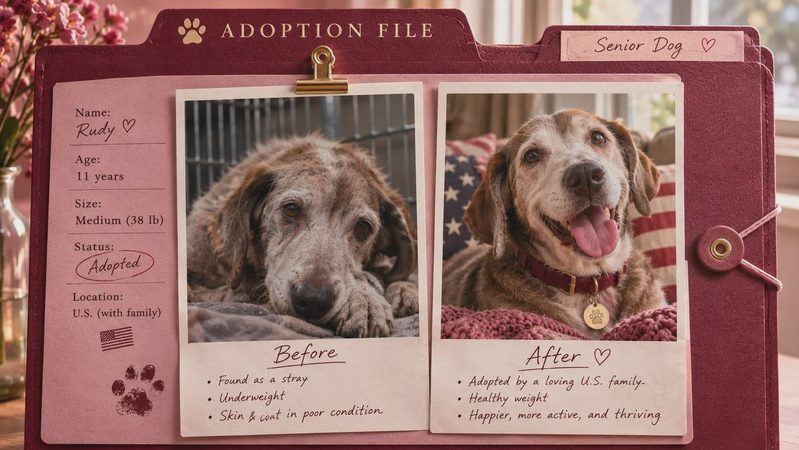
The bond is not less meaningful because the dog has fewer years ahead. In my experience, the first relaxed sigh on a borrowed blanket can feel enormous. So can the first time a nervous dog chooses to sit beside you instead of across the room. Every good dog was once someone's "too much."
The questions to ask before adoption
A thoughtful older dog rescue conversation should include more than, "Is he friendly?" Ask what a normal day looks like. Does the dog wake during the night? Can she climb stairs? Has he had accidents indoors? What happens when someone touches his feet, collar, food bowl, or hips? Ask whether the dog has lived with children, cats, or other dogs, and whether those answers come from a foster home or a brief shelter observation.
Request every available medical record. Find out about vaccines, dental disease, arthritis, heart conditions, allergies, vision, hearing, and current medications. Ask whether the dog is on a special diet and whether a recent blood panel was performed. A $20 to $60 monthly medication bill can be manageable; an unexpected dental procedure or chronic condition can cost several hundred dollars or more.
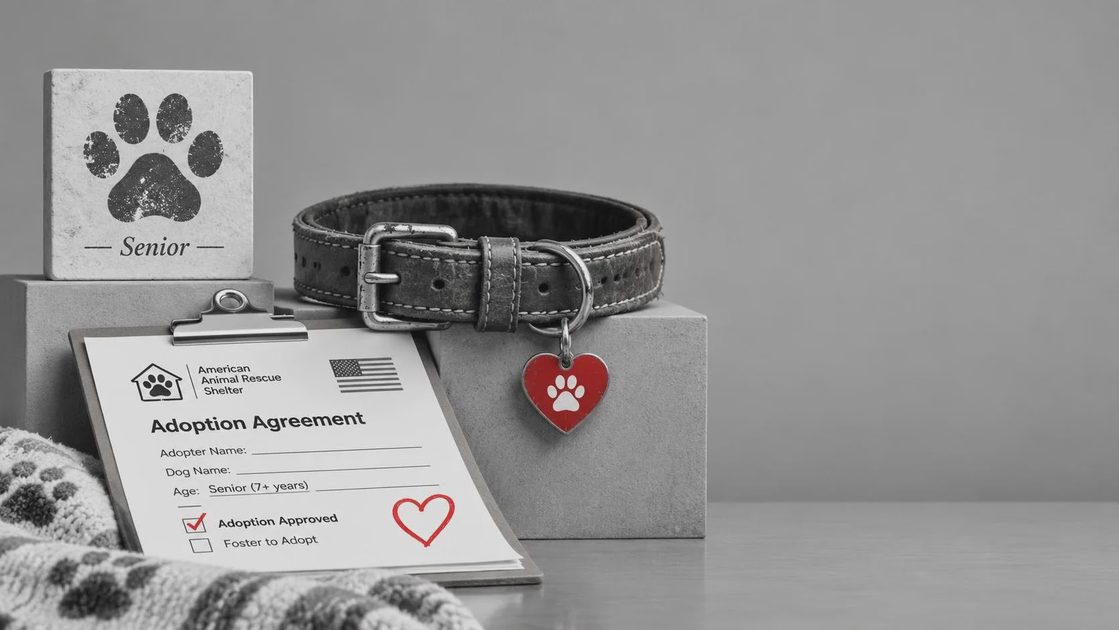
Ask about the adoption contract, return policy, and post-adoption support. Responsible rescues do not expect a dog and adopter to be perfect on day one. A trial period, foster-to-adopt arrangement, or behavior contact can give everyone useful information without turning a difficult first week into a crisis.
Preparing your home and budget
Before bringing a senior dog home, remove loose rugs, block steep stairs, and place non-slip mats near food and water. Older dogs with weak legs can slide on hardwood floors. A supportive orthopedic bed may cost $40 to $150, while a sturdy ramp can cost $80 to $250. Put the bed somewhere quiet but not isolated; many newly adopted dogs want to rest while still keeping an eye on their people.
Your first veterinary visit should happen soon after adoption, even if the shelter provided an exam. Bring the medical records and a written list of questions. A basic appointment may be around $75 to $150 before tests or treatment, depending on location and clinic. Pet insurance can help with future covered accidents or illnesses, but preexisting conditions are commonly excluded, so read the policy before relying on it. Setting aside an emergency fund is still wise.
Food costs vary with size and medical needs. A healthy medium dog might eat $35 to $80 of food monthly, while a prescription diet can cost more. Add preventives, grooming, nail trims, transportation, and occasional boarding. The point is not to scare yourself away. It is to replace a vague promise to "make it work" with a plan that has actual numbers.
The first weeks are information, not a final judgment
The first three days can be misleading. A dog may sleep constantly, refuse food, cling to you, or seem unusually quiet. During the first three weeks, you may see more personality emerge: barking at delivery trucks, stealing laundry, guarding a bed, or becoming anxious when you leave. This does not automatically mean the adoption failed. It means the dog is learning the map of a new life.
Keep the routine boring and predictable. Feed meals at consistent times, take the same short walking route, and introduce visitors slowly. Use baby gates rather than forcing every room immediately. Give the dog a private resting space and do not pull him out when he is sleeping. If accidents happen, use an enzymatic cleaner and avoid punishment, which can make fear and confusion worse.
For older dog rescue, patience is practical rather than sentimental. A dog who has changed homes may need weeks to understand that food will return, the bed is truly his, and you will come back after leaving. Call a qualified reward-based trainer or veterinary behavior professional if you see growling, snapping, separation distress, or escalating fear. Early help is usually easier than waiting for a serious incident.
Matching the dog to your real life
Be honest about your schedule. If you work ten-hour shifts and want a dog who can comfortably wait all day, ask whether the candidate has that history. If you have cats, ask for a careful introduction plan rather than accepting a casual statement that the dog is "probably fine." If you live in an apartment, confirm the dog can handle elevators, hallway noises, and nearby neighbors.
A mellow senior is not automatically low maintenance. Some older dogs need frequent bathroom breaks, help getting into a car, or daily pain management. Conversely, a dog with limited mobility may be perfectly content with short walks and enrichment games at home. Match energy, mobility, size, and temperament to your household instead of choosing only by a photograph.
If the first match is wrong, contacting the rescue is responsible. A dog who cannot safely live with your cat, or an adopter who cannot meet serious medical needs, is not helped by secrecy or shame. Good older dog rescue includes honest communication and safe rehoming when necessary. Returning a dog through the proper channel is not the same as abandoning one.
Making the decision with a clear heart
Before applying, write down your nonnegotiables: cats in the home, stairs, work hours, children, travel, budget, and tolerance for barking or accidents. Then identify the flexible areas. You might accept gray fur, daily medication, or slower walks while still needing a dog who can live safely with another pet.
When you meet the dog, look for small clues. Does she recover after a loud sound? Can he take a treat gently? Does the dog seek contact, or prefer space? Neither answer is automatically bad. You are looking for a workable match, not a performance audition.
Older dog rescue asks for a little courage because you know the future will include grief someday. But it also offers an unusually direct kind of companionship. You may get a dog who already understands couches, car rides, and the importance of breakfast. You may become the person who finally lets him sleep without fear.
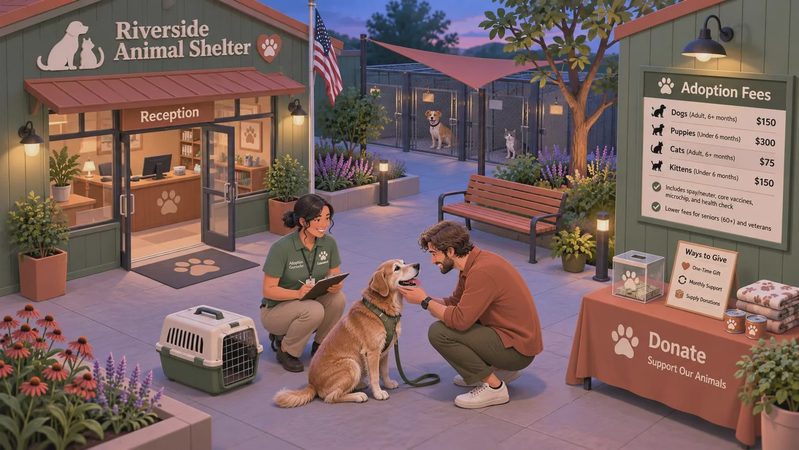
If that sounds like the kind of responsibility you can approach honestly, start by contacting a reputable local shelter or foster-based rescue, reviewing the medical information, and asking the uncomfortable questions. The perfect adopter does not exist. A prepared, patient adopter can be exactly what one overlooked dog needs.
Letters
No letters yet. Yours could be the first.