If you’re wondering why adopt a senior dog, here’s my short answer: an older dog can bring companionship, an established personality, and a pace that fits your life better than puppyhood does. You may also be giving a lovely dog a fresh start. But age is no guarantee of easy behavior or low medical costs, and you don’t have to ignore those realities to be a good adopter.
I have a soft spot for the dog who takes a little longer to stand up, then follows you hopefully into the kitchen. Still, the right match matters more than the heart-tugging photo. Let’s talk about what living with a senior can actually look like.
What you may gain with an older dog
A senior dog’s adult size is usually known, and their personality may be easier to understand than a puppy’s. A foster caregiver might be able to tell you whether the dog likes a quiet evening, asks to go outside, or gets worried when left alone. That information can make choosing a companion feel less like guessing.
Notice I said may. A shelter environment is stressful, and a dog who seems subdued there could become much more energetic at home. Ask what staff and foster caregivers have observed in different settings, and give your new housemate room to show you who they are.
Many older dogs have some experience living in a home. They might already know a few cues or have bathroom routines you can build on. Others have never had the chance to learn those things, or their previous habits may not transfer immediately to your schedule. Either way, you can teach an old dog new skills. Short, reward-based sessions and predictable routines are a kind place to start.
There’s also something lovely about skipping the tiny-teeth-on-your-ankles phase. A senior might prefer a gentle sniff around the block to a marathon game of fetch. Another might still be ready for a long hike. Ask about the individual dog’s energy, not just the number on their paperwork.
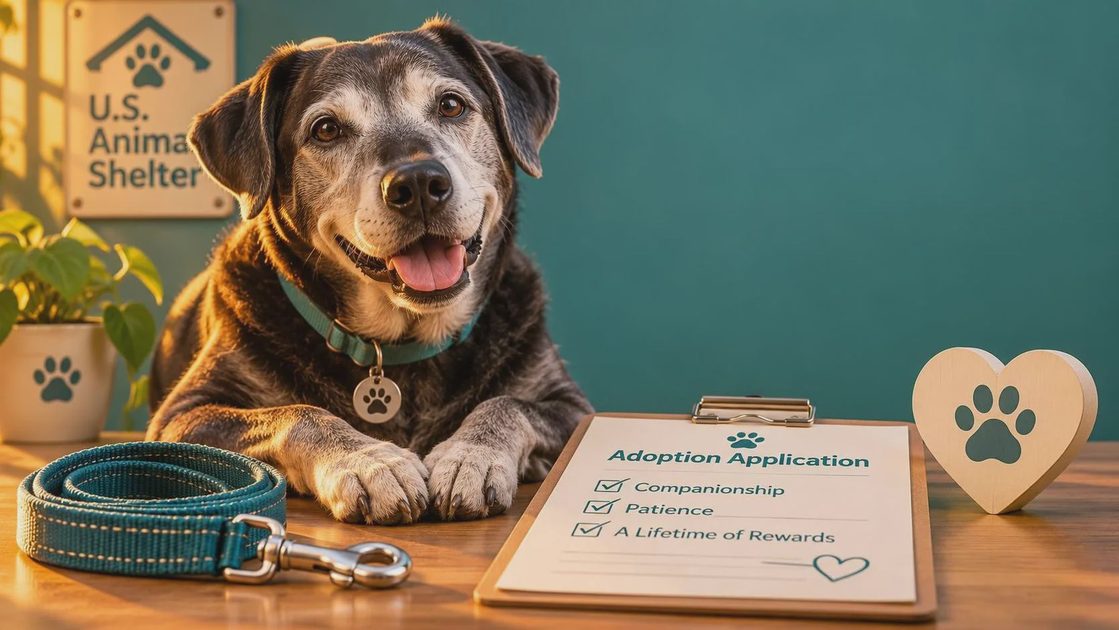
Why adopt a senior dog if you’re a first-time adopter?
For a first-timer, a dog with a documented history in a foster home can offer a useful head start. You can ask how they handle visitors, car rides, stairs, grooming, and being alone. You can also ask what helps when they’re nervous. Those answers won’t predict every day together, but they give you better questions to bring home.
A senior may fit particularly well if you want an adult companion and have the flexibility for a slower routine or more frequent bathroom breaks. That doesn’t mean older dogs are automatically suitable for apartments, children, cats, or anyone working long hours. Tell the rescue what your days actually look like, including the noisy parts and the hours nobody is home.
If the dog has been around children or other animals, ask what those interactions looked like and how recently they happened. “Has lived with cats” is useful context, not a promise that your cat will be comfortable. Plan for slow introductions, separate spaces, and supervision rather than expecting instant friendship.
And please don’t feel you have to choose the dog with the saddest story. You are allowed to look for a companion whose needs fit your capacity. A thoughtful match is kinder to both of you than an adoption driven by guilt.
Make room in the budget for health care
Older dogs can arrive with known health conditions, and new concerns can develop after adoption. Dental disease, arthritis, changes in vision or hearing, and chronic conditions are among the possibilities. None is inevitable, and a younger dog can have expensive medical needs too.
Before applying, ask for the available veterinary records and a plain-language explanation of any diagnosis, medication, special diet, or recommended follow-up. Find out what the rescue knows and what it doesn’t. If a dental procedure or other treatment has been recommended, ask whether it has been completed and request the records. A shelter may not have a full medical history, and that uncertainty is worth factoring into your decision.
Call a veterinary clinic before you commit and ask about the cost of an initial exam and any known ongoing care. Fees vary by location and treatment. Pet insurance may be an option, but check enrollment rules, waiting periods, and exclusions for preexisting conditions before counting on a policy to cover a known problem. A dedicated savings cushion is another way to prepare.
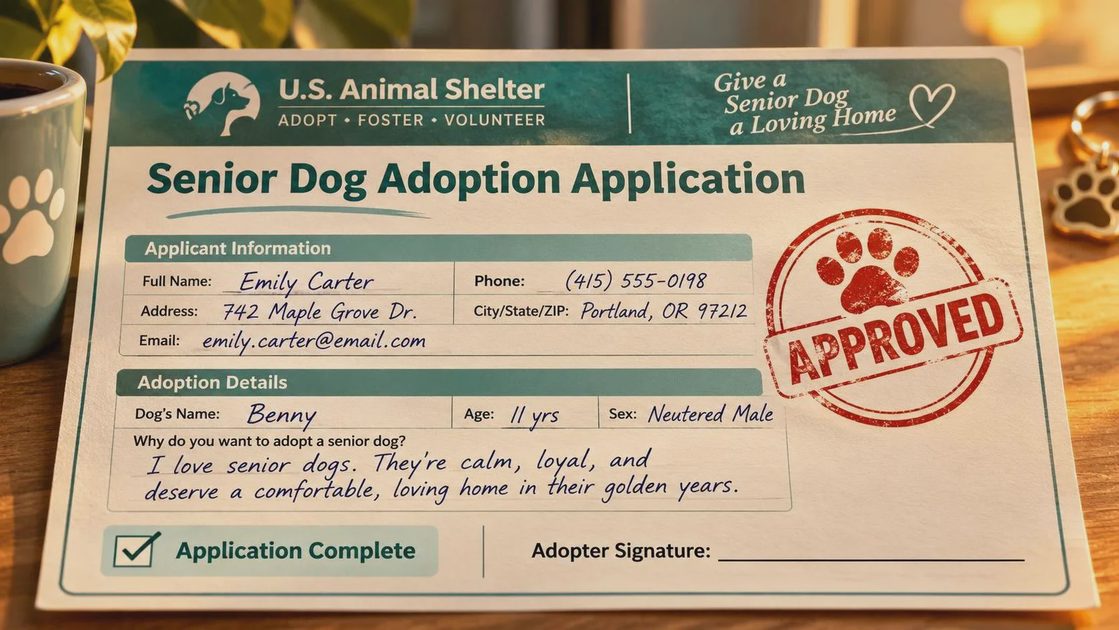
After adoption, schedule a veterinary visit and bring the records you received. Ask about dental health, mobility, weight, and a sensible exercise plan. If your dog seems suddenly confused, painful, unusually thirsty, or starts having accidents, call your vet rather than assuming it’s simply old age. A behavior change can have a medical cause.
Set up a gentle first few weeks
Start with a quiet place to rest, easy access to water, and a predictable route outside. Rugs or nonslip runners can help a dog navigate slick floors; a bed away from busy walkways gives them somewhere to settle without being stepped over. If stairs are unavoidable, ask your vet what is safe for that particular dog and how to help.
Keep the first days small. A house tour, regular meals, short outings, and naps are plenty. Hold off on a parade of visitors while you learn your dog’s signals. Some dogs welcome touch right away; others need you to sit nearby and let them approach. A calm afternoon in the same room counts as progress.
Even a previously house-trained dog may have accidents during a transition. Offer frequent, low-pressure trips outside and reward success. Clean accidents without punishment. If they continue or appear suddenly, talk with your vet; pain, illness, medication, and stress can all complicate the picture.
The hardest question: how much time will you have?
The honest answer is that nobody can promise you a number. Bringing home an older dog can mean facing illness or loss sooner than you hoped. It is fair to think about that before signing an application. Loving a dog for a shorter time is meaningful, but you are not a bad person if that possibility feels like more than you can manage right now.
Ask the rescue whether it offers a foster-to-adopt arrangement or a transition period, and understand its return policy before you need it. If things aren’t working, reach out early. A trainer who uses reward-based methods, your vet, or the rescue may be able to help you make a plan; sometimes rehoming is the responsible choice.
Every good dog was once someone’s “too much.” That doesn’t mean every dog is yours to take home. It means an older dog deserves a clear-eyed look, and you deserve the space to choose a companion you can care for with both your heart and your real life.
Letters
No letters yet. Yours could be the first.