If you are filling out an adoption application and wondering whether a senior age dog is right for you, take a breath. You do not need a perfect house, endless free time, or professional dog experience. You need a realistic idea of what older dogs bring home with them: established personalities, changing bodies, and a remarkable ability to settle into a gentle routine.
I have lived with dogs who arrived gray around the muzzle and dogs who acted like teenagers despite their silver eyebrows. The older ones were not always easy. Some woke me at 3 a.m., forgot their house training, or needed medications hidden in peanut butter. They also gave me some of the clearest wins I have ever seen, like the first night a nervous dog slept with its head on my foot.
What counts as a senior age dog?
There is no universal birthday when a dog becomes senior. A Great Dane may show age-related changes around six or seven, while a small terrier can remain spry well into the double digits. Breed, size, genetics, previous care, and individual health all matter. Shelters may use “senior” for a dog over seven, but that label is only a starting point.
Ask for the dog’s estimated age, not just the kennel card description. A veterinarian can look at teeth, eyes, muscle tone, and medical history, but even a veterinary estimate is not an exact birth certificate. The more useful questions are practical ones: Does the dog climb stairs? Can it stay alone for four hours? Does it sleep through the night? Has it lived with cats, children, or other dogs?
A senior age dog can still enjoy walks, training, car rides, and zoomies in the yard. The difference is that activity often needs to be followed by a longer nap and a little more attention to comfort.

The health questions to ask before adoption
Do not let the word senior scare you, but do not ignore it either. Before signing papers, ask whether the dog has had a recent veterinary exam and what records will come home. Useful details include vaccination dates, heartworm testing, dental findings, bloodwork, medications, allergies, previous surgeries, and any history of seizures or fainting.
A first veterinary visit may cost $75 to $200 before tests or treatment. Dental cleaning can run several hundred dollars, and ongoing prescriptions might cost $20 to $100 or more each month. Pet insurance can help with eligible future accidents and illnesses, but preexisting conditions are commonly excluded, so it is not a substitute for an emergency fund. Even setting aside $500 to $1,000 gives you more breathing room when a cough, limp, or stomach problem appears on a Sunday night.
Look at movement during your visit. Is the dog stiff after standing? Does it slip on tile? Does it avoid jumping into a car? These observations do not automatically mean “walk away.” They tell you what your home and budget need to support. A senior age dog with arthritis may thrive with rugs, short walks, a supportive bed, and veterinary guidance about pain control.
Adjusting your home and daily routine
Older dogs usually benefit from predictability. Feed meals at consistent times, take bathroom breaks before the dog becomes desperate, and keep beds, bowls, and leashes in the same places. Predictability is especially helpful for a rescue dog that has just lost a familiar person, home, and schedule.
Make the floor easier to navigate. Non-slip runners can help a dog cross hardwood, while a ramp or sturdy steps may make the couch or porch safer. Keep water on every level the dog uses. If vision or hearing is declining, approach slowly and touch the floor near the dog before touching its body so it is less likely to startle.
Exercise should be measured by recovery, not enthusiasm alone. A dog may happily walk two miles and then struggle to stand that evening. Start with ten-minute walks, watch for stiffness, and increase gradually if the dog recovers comfortably. Gentle sniffing is real enrichment even when a brisk hike is no longer realistic.
The emotional side of adopting older dogs
This is the part people often skip in cheerful adoption posts. An older dog can arrive with grief, confusion, or habits that developed over many years. It may not greet you with instant affection. It may pace, sleep excessively, guard food, or stare at the door for a week. None of those reactions tells you the whole story.
Give the dog a quiet decompression period. Limit visitors, avoid crowded outings, and introduce resident pets through calm, supervised interactions. Use baby gates rather than forcing closeness. If house training slips, return to frequent bathroom breaks and reward success without scolding. A mistake is information, not a moral failure.
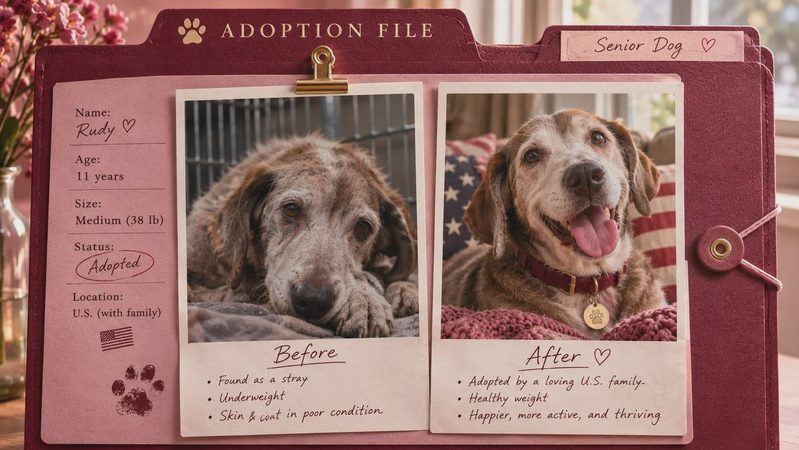
I once fostered a gray dog who spent nearly two weeks sleeping behind an armchair. We did not drag him out. We placed meals nearby, spoke softly, and celebrated the first time he chose the living room. That small decision was more meaningful than a dramatic first-day cuddle. With a senior age dog, trust often arrives in inches.

Costs, time, and the adoption decision
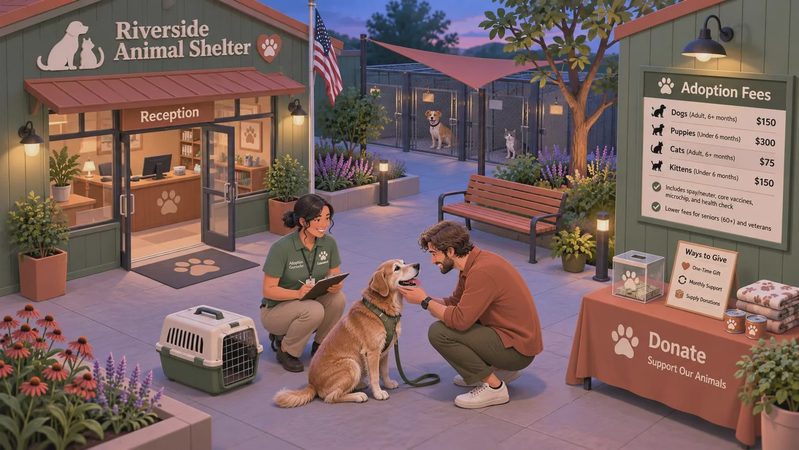
The adoption fee is only one line in the budget. Plan for food, flea and tick prevention, annual exams, grooming, medications, dental care, and occasional mobility equipment. A medium-size dog might cost $50 to $100 monthly for food and routine preventives, while medical needs can push that amount much higher. Ask the rescue what expenses they cover after adoption and whether there is a trial period.
Your schedule matters just as much as your wallet. Some older dogs need a midday bathroom break, medication at a fixed hour, or help getting outside in bad weather. If you work away from home, price a dog walker or ask whether a neighbor can provide backup. If stairs are unavoidable, choose a dog who can manage them safely rather than hoping strength will improve.
A senior age dog may be a strong match for someone who wants a calmer companion but still has room for appointments and adaptation. It is not automatically the right match for every household, and saying that out loud is responsible, not selfish.
A practical first-week checklist
Before bringing the dog home, buy a properly fitted harness, leash, identification tag, enzyme cleaner, washable bedding, food recommended by the rescue, and a week of any current medication. Set up a quiet room or corner before the car ride begins. Put the veterinarian’s phone number, emergency clinic address, and rescue contact in your phone.
During the first seven days, track appetite, water intake, bowel movements, sleep, coughing, limping, and bathroom accidents. Notes help you spot changes and give the veterinarian useful information. Do not change food, introduce dog parks, and host a party all at once. Let the dog learn one ordinary day before you ask for a new adventure.
Adopting a senior age dog also means making a plan for hard days. Decide who can provide care if you are sick, how you would handle a sudden $800 bill, and what support you will seek if behavior problems appear. A trainer using reward-based methods, a veterinarian, and the rescue can form a helpful team.
Why older dogs are worth considering
The rewards are often wonderfully unglamorous. An older dog may sleep while you work, walk politely past the neighbor’s fence, and understand that a blanket means bedtime. You may know its personality sooner than you would with a young puppy. You can choose based on observed behavior rather than guessing what an eight-week-old puppy will become.
There may also be less time together, and that truth hurts. But a shorter chapter is not an empty one. A dog who spends its final years warm, fed, comfortable, and loved has not been “too much trouble.” It has been given a home when it needed one most.
Every good dog was once someone’s “too much.” If you have the patience for a slower introduction, the budget for sensible care, and the willingness to ask honest questions, a senior age dog could become the steady, funny, deeply grateful companion you were hoping to meet.
Letters
No letters yet. Yours could be the first.