If you are searching for the senior age for dogs, you probably noticed something small first: your dog takes longer to get up, skips a game of fetch, or sleeps through the morning instead of supervising breakfast. That change can feel surprisingly emotional. I have watched foster dogs cross into their slower years, sometimes so gradually that I only realized it when I found an old photo. Aging is not a failure, and it does not mean the fun is over. It means your dog needs a slightly different kind of care.
When does a dog become a senior?
There is no single birthday that makes every dog a senior. Size, breed, genetics, health history, and lifestyle all matter. As a general guide, small dogs often enter their senior years around age 10 or 11. Medium dogs may be considered senior around 8 or 9, while large and giant breeds can show age-related changes at 6 or 7.
That is why the senior age for dogs should be treated as a range rather than a rule. A 10-year-old Chihuahua may still sprint around the living room, while a 7-year-old Great Dane may need more rest and joint support. Mixed-breed dogs can fall anywhere in between. The calendar gives you a useful reminder to pay attention, but your individual dog tells the fuller story.
A rescue dog's exact age may be uncertain, too. Shelter estimates based on teeth, coat, eyes, and general condition are helpful but not perfect. If the paperwork says your adopted dog is approximately eight, think of that as a starting point for preventive care, not a deadline for becoming elderly.

Signs your dog may be getting older
The most common changes are easy to dismiss because they happen slowly. Your dog may sleep more, take longer on walks, hesitate before stairs, or seem stiff after resting. Gray hair around the muzzle is a familiar sign, but it does not tell you how healthy your dog feels. Some dogs gray early, while others keep a dark face for years.
Watch for changes in hearing, vision, appetite, thirst, bathroom habits, and weight. A senior dog may no longer hear you open the treat jar, bump into furniture in dim light, or become startled when touched from behind. These changes deserve a veterinary conversation rather than a casual assumption that your dog is simply old.
Behavior matters as much as appearance. New anxiety, nighttime wandering, irritability, house-soiling, or confusion can have medical causes, including pain, dental disease, vision loss, or cognitive decline. Your dog is not being difficult on purpose. A dog who suddenly growls when someone touches a hip may be communicating discomfort.
What veterinary care should look like
Once your dog reaches the senior age for dogs commonly used for its size, routine exams become especially valuable. Many older dogs benefit from checkups every six months instead of waiting a full year. That schedule gives your veterinarian more chances to notice subtle weight loss, heart changes, lumps, dental problems, or reduced mobility.
Ask what screening makes sense for your dog. Bloodwork and a urinalysis can provide information about kidney function, liver health, blood sugar, and other internal changes before obvious symptoms appear. Your veterinarian may also recommend dental cleaning, X-rays, blood pressure measurement, or a medication review.
Bring a short list of observations to the appointment. Write down how often your dog drinks, whether stairs have become difficult, how long walks last, and any changes in sleep or appetite. A two-week video of your dog walking or rising from the floor can be more useful than trying to describe the movement from memory.
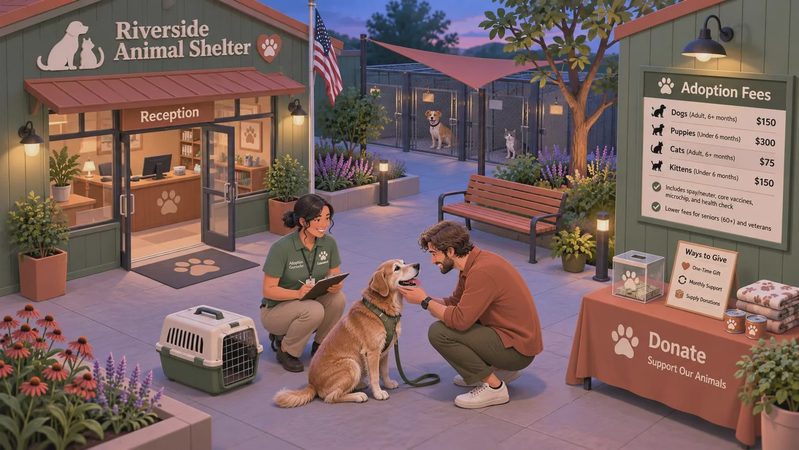
Do not give human pain medicine unless a veterinarian specifically instructs you to do so. Common household medications can be dangerous for dogs. If cost is a concern, ask about staged testing, generic prescriptions, payment plans, local veterinary assistance programs, or a lower-cost clinic. Planning early is kinder and often less expensive than waiting for a crisis.
Making home easier for an older dog
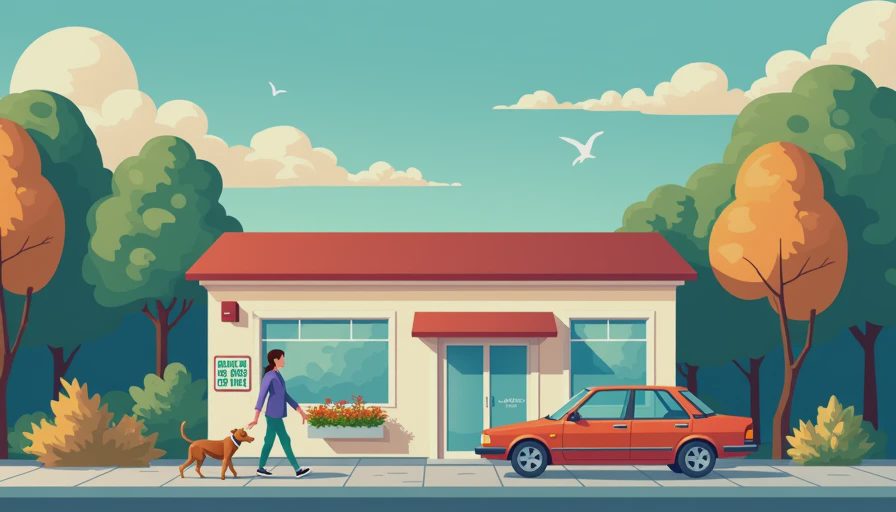
Small changes can preserve independence. Put a nonslip runner over slick floors, especially between the bed and the door. A ramp or sturdy pet step may help with a couch, porch, or car, but introduce it gradually with treats. Keep food and water on a stable surface at a comfortable height, and use a washable orthopedic bed away from cold drafts.
Shorter walks are usually better than abandoning exercise completely. Try two or three gentle outings instead of one long hike. Let your dog sniff, choose a comfortable pace, and rest before becoming exhausted. For dogs with arthritis or weakness, swimming can be useful if a veterinarian approves it and the dog enjoys water. Never force an older dog into an activity because it used to be a favorite.
Mental enrichment still matters. A snuffle mat, food puzzle, scent game, cardboard box filled with paper, or five-minute training session can tire a senior dog without stressing sore joints. Keep routines predictable, but add variety through safe smells and easy choices. My old foster Waffles could no longer manage a long neighborhood walk, yet she became completely invested in finding tiny pieces of chicken hidden under plastic cups.
Food, weight, and daily comfort
Weight deserves close attention during the senior age for dogs stage because extra pounds put more pressure on aging joints. At the same time, unexplained weight loss should never be brushed off. Feed a complete diet recommended for your dog's health needs, and measure portions rather than guessing with a scoop. Treats count, especially when a dog receives medication hidden in cheese or peanut butter.
A senior formula is not automatically right for every dog. Some older dogs need fewer calories, while others need more protein or a diet designed for kidney, heart, or digestive disease. Ask your veterinarian before making a major change, and switch foods gradually over several days to reduce stomach upset.
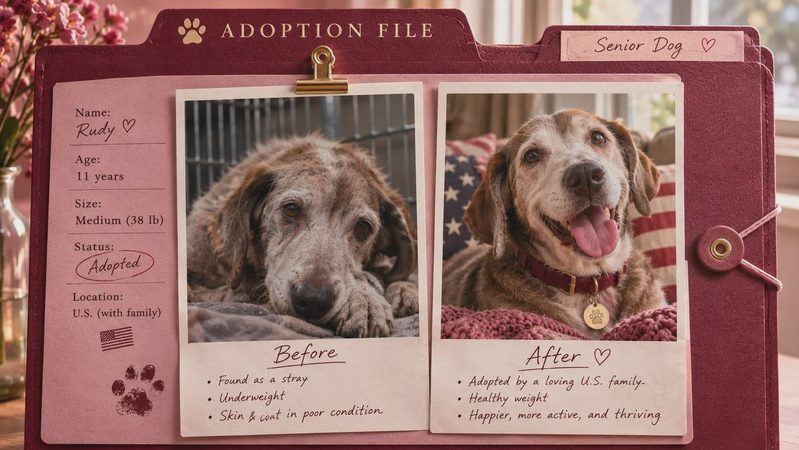
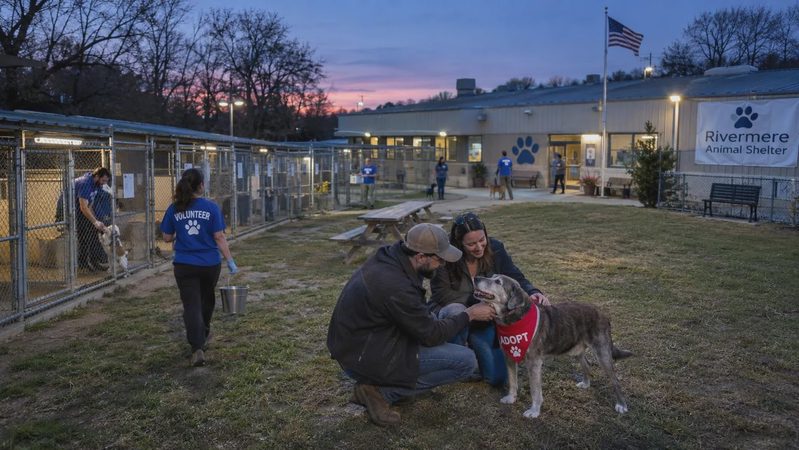
Comfort also includes emotional needs. Older dogs may dislike noisy gatherings, rough play from young dogs, or being left alone for long periods. Give your dog a quiet retreat and protect rest time. If a newly adopted senior dog seems withdrawn, remember that shelter life and a new home can be exhausting. Gentle consistency often reveals a personality that was hidden by stress.
Enjoying the years you have together
Thinking about the senior age for dogs can make people worry about loss before anything is wrong. Try to bring your attention back to the ordinary moments: warm ears under your hand, a slow sniff at the mailbox, the familiar thump of a tail against the floor. Track good days and difficult days so you can notice real patterns instead of relying on one frightening afternoon.
Quality of life is personal, and end-of-life decisions are painful. Your veterinarian can help you assess pain, appetite, mobility, hygiene, engagement, and whether bad days are becoming more frequent. Asking for that guidance is not giving up. It is part of loving a dog honestly.
An older dog still has plenty to offer. Senior dogs can be steady companions, excellent couch partners, and wonderfully grateful adoptees. Every good dog was once someone's "too much," and every older dog deserves comfort, patience, and a home that sees the whole story rather than just the number on a form.
Letters
No letters yet. Yours could be the first.