Senior dog foster care means giving an older dog a temporary home while a shelter or rescue helps arrange their next step. You do not need a perfect house or veterinary training. You do need a clear agreement with the organization, a manageable routine, and a willingness to notice when your guest needs help. Some seniors are easygoing couch companions; others need medication, frequent bathroom breaks, or extra patience. Ask what this particular dog needs before you say yes.
What fostering an older dog actually involves
A typical day might include meals, short walks or yard breaks, medication if prescribed, and a quiet place to sleep. You may also take the dog to appointments, share photos with the rescue, or help a potential adopter learn about their habits. The organization should explain which tasks it expects and who pays for supplies and care.
Older does not automatically mean calm, house-trained, or good with other animals. A dog who has lived in a home may still have accidents in an unfamiliar place. A dog who sleeps most of the afternoon may also pace at night. Neither means you have failed them.
Senior dog foster care can last a few days or many months, depending on the arrangement and the dog. Some placements are temporary breaks from the shelter; others continue until adoption. Hospice fostering is different: the goal is comfort for a dog with a life-limiting condition, rather than necessarily finding a permanent adopter. Ask which kind of placement you are considering and what support comes with it.
Questions to ask before you bring a dog home
Start with the practical stuff, even if a sweet gray face is looking at you from the application page. Ask about known medical conditions, medications, mobility, bathroom habits, and any history with children, dogs, or cats. A shelter may not have all those answers. An honest “we don't know” is useful information, too.
Ask who covers exams, medication, food, and emergency treatment. Find out whether you must use a particular veterinary clinic, who approves nonemergency care, and whom to call after hours. Get the answers in writing, along with what happens if the placement is not workable.
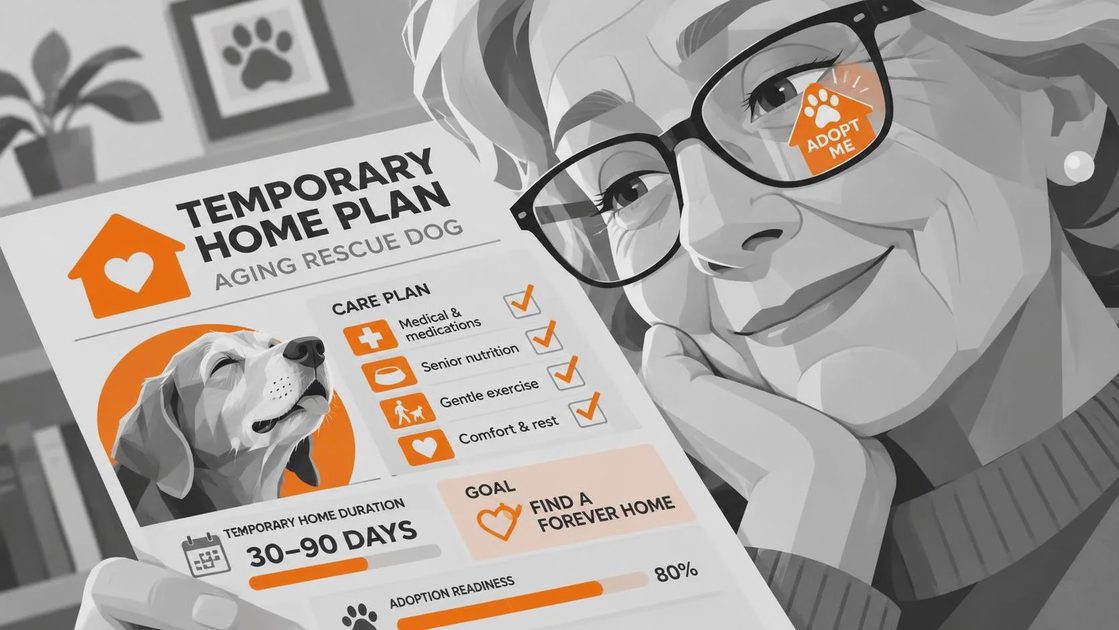
For senior dog foster care, I would also ask whether stairs are manageable, whether the dog can be left alone, and how often they currently need to go outside. If you work outside the home or live in a walk-up, those details matter more than whether your couch looks inviting in a photo.
Be honest about your limits. “I can give pills in food, but I can't lift a large dog” is a helpful answer, not a character flaw. A good match protects you and the dog.
Set up a safe landing spot
Choose a quiet area where your foster can rest without being crowded. A washable bed or folded blanket, water, and a clear path to the door are a good start. Keep food and medications secured, and check that doors, gates, and fencing close reliably. Even a slow-moving dog can slip out when frightened.
Slippery floors can make getting around harder. Place nonslip runners or mats along the routes to the bed, water, and exit. If stairs are difficult, ask the rescue and veterinarian about safe alternatives rather than trying to carry a dog you cannot lift securely. Ramps and support harnesses may help some dogs, but fit and suitability matter.
Give your new guest room to settle. Let them approach you instead of insisting on cuddles, and save the welcome party for later. I consider a dog choosing to nap in the same room a real win. It may not be glamorous, but it counts.
Introductions, accidents, and the first few days
In senior dog foster care, a quiet start is usually kinder than introducing everyone at once. If you have resident pets, ask the rescue about the dog's known history and plan introductions carefully. Use separate spaces at first, supervise interactions, and feed animals apart. Never assume a senior will tolerate a younger dog's enthusiasm or that a cat will appreciate a surprise visitor.
Offer frequent bathroom opportunities, especially after meals, naps, and waking up. Clean accidents without scolding. Stress, an unfamiliar schedule, limited mobility, and medical issues can all play a part; the rescue or veterinarian can help you work out what is happening.
Keep a simple note of eating, drinking, bathroom habits, sleep, and any medication given. This helps you spot changes and gives the rescue useful information without requiring you to interpret every behavior. Ask what is normal for your foster and when the organization wants updates.
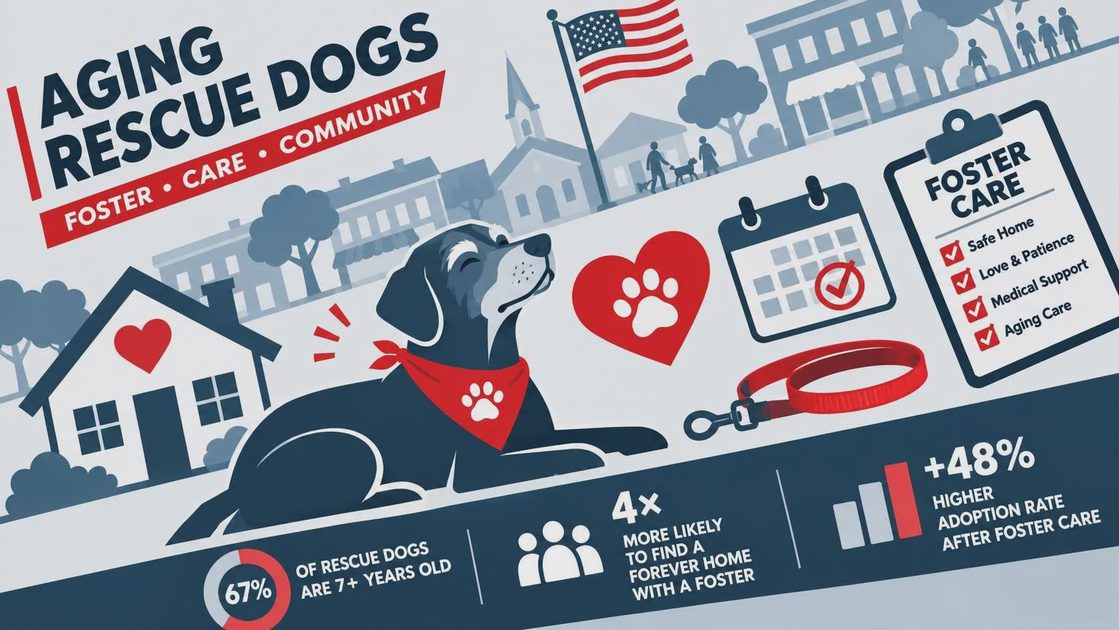
When to call the rescue or veterinarian
Contact the rescue or veterinarian about new or worsening symptoms, changes in appetite or drinking, repeated accidents, trouble moving, or behavior that concerns you. Do not change a prescribed dose or give human medication unless a veterinarian directs you to. What looks like stubbornness can sometimes be discomfort, confusion, or difficulty hearing or seeing.
Trouble breathing, collapse, seizures, severe bleeding, or inability to urinate require urgent veterinary attention. Follow the rescue's emergency plan if you can do so without delaying care. If you cannot reach your contact promptly, call an emergency veterinary clinic for guidance and tell the rescue as soon as possible.
For senior dog foster care involving serious illness, ask the veterinarian and rescue how they assess comfort, what symptoms to watch for, and how decisions will be made if the dog's condition declines. Those conversations are hard. Having them before a crisis can make the next step a little less frightening.
Finding a placement that fits your life
Start with a local shelter or established rescue and look for its foster application or contact information. Ask whether it places older dogs, offers short-term or respite fostering, and provides a coordinator you can reach with questions. You can also ask your veterinarian whether they know local organizations seeking foster homes.
Read the agreement before committing. Confirm the expected length of the placement, who makes medical and adoption decisions, and how much notice you should give if you need the dog moved. A rescue may not be able to arrange an immediate transfer, so ask about its backup plan before you need one.
And please leave room for your own feelings. Saying goodbye can hurt, even when an adoption is exactly the outcome you hoped for. Needing a break afterward is allowed. So is telling the rescue early that a placement is more than you can safely manage. Every good dog was once someone's “too much,” and helping find the right support is an act of care, not a failure.
Letters
No letters yet. Yours could be the first.