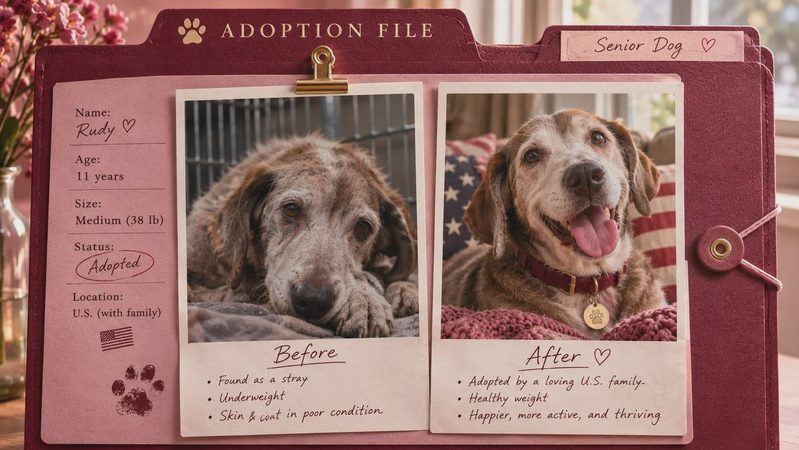
Senior pet adoption can feel like a big emotional leap. You might picture expensive vet bills, a short time together, or a dog or cat whose habits are already set in stone. I understand that hesitation. When I brought home Waffles, my one-eyed shelter mutt, I had no idea how much patience the first months would require. I also had no idea how quickly an older animal could make a house feel like home.
A senior pet is often defined by shelters as an animal around seven years or older, though the cutoff depends on size, breed, and species. A seven-year-old Chihuahua and a seven-year-old Great Dane are not at the same life stage. The useful question is not simply, “How old is this animal?” It is, “What kind of life can we comfortably share?”
Why senior pets can be an excellent match
Senior pet adoption often gives you a clearer picture of the animal you are bringing home. Puppies and kittens are adorable little chaos machines, but their adult size, energy level, and personality are still developing. With an older pet, shelter staff or foster caregivers can usually describe established routines, reactions to other animals, leash habits, and preferences.
That predictability matters for first-time adopters. A mellow older dog may be happy with two short walks and a soft bed near the kitchen instead of hours of fetch. An older cat may prefer a sunny windowsill, a scratching post, and quiet company. You can choose based on your actual schedule rather than hoping a young animal grows into the lifestyle you imagined.
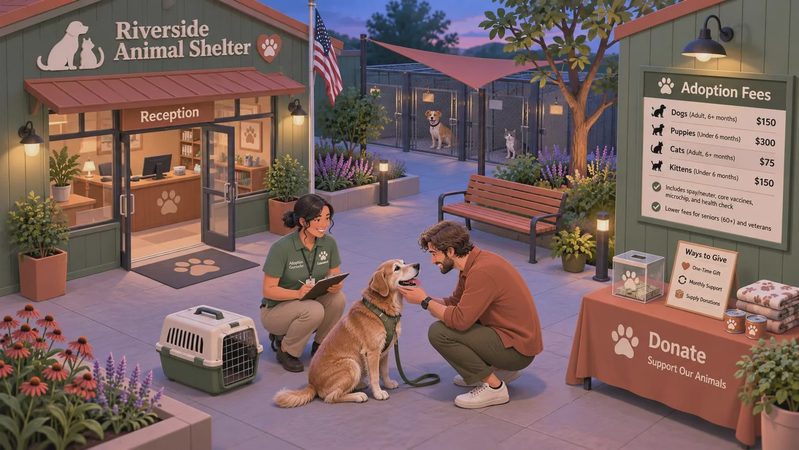
Older pets also tend to have lower adoption fees, especially during shelter promotions. That does not eliminate costs, but it can leave more room in your starting budget for a wellness exam, dental cleaning, quality food, or a properly fitted harness. The reward is rarely dramatic. It may be a dog finally sleeping through the night or a cat choosing to sit beside you after three weeks of hiding. Those quiet wins are the ones I still remember.

Ask practical questions before you apply
Good senior pet adoption starts with specific questions, not just a sweet photograph. Ask whether the pet has been in a foster home, how long they can comfortably stay alone, and whether they use stairs. Find out about house-training, litter box habits, car rides, barking, separation distress, and handling around paws, ears, food, and medication.
Request medical records and ask what the shelter knows about dental disease, arthritis, vision changes, heart issues, allergies, or previous surgeries. A rescue cannot always provide a complete history, and that is not necessarily a warning sign. It simply means your first veterinary appointment should happen soon after adoption.
If you already have pets, arrange a careful introduction rather than relying on a quick kennel meeting. A parallel walk can help two dogs meet without forcing face-to-face contact. For cats, use a separate room, exchange bedding scents, and move gradually over days or weeks. Senior pet adoption works best when the transition is treated as a process, not a single emotional afternoon.
Build a realistic first-month budget
The adoption fee is only the opening line of your budget. Plan for an initial exam costing roughly $75 to $200, depending on location and services. Bloodwork, vaccines, a fecal test, dental care, or prescription medication can add several hundred dollars. A dental cleaning for an older dog or cat may land between $300 and $1,000 or more when extractions are needed.
That range sounds intimidating, but planning is kinder than pretending medical needs do not exist. Start a small emergency fund, compare wellness plans, and ask your veterinarian which care is urgent versus something that can be scheduled over several months. Pet insurance can help with eligible accidents and illnesses, but preexisting conditions are commonly excluded, so read the policy before enrolling.
Your home setup matters financially too. A washable orthopedic bed may cost $40 to $120. Non-slip rugs can help a stiff dog move across hardwood floors, while low-entry litter boxes can make life easier for an aging cat. These are not glamorous purchases, but they often prevent slips, frustration, and avoidable stress.
Make the transition gentle and boring
The first week should be intentionally uneventful. Give the new pet one quiet area with food, water, bedding, and a place to retreat. Keep meals at consistent times. Avoid inviting a crowd over for a welcome party, even if everyone is excited. An animal that has lost a home may need days to understand that the food, people, and couch are staying.
During senior pet adoption, people sometimes mistake shutdown for perfect behavior. A quiet dog may be frightened rather than naturally calm. A cat that does not explore may still be overwhelmed. Watch for relaxed body language, regular eating, normal bathroom habits, and interest in gentle interaction before increasing freedom.
Use baby gates, closed doors, and leashes to prevent mistakes while you learn each other. Do not punish growling, hiding, or accidents. Those behaviors are information. A growl can tell you that a dog feels uncomfortable before a bite occurs, and an accident can point to stress, mobility trouble, or a medical issue. Respond with management and veterinary guidance instead of shame.

Know the hard parts before they arrive
Senior pet adoption is not automatically easier. Older animals can develop arthritis, hearing loss, kidney disease, dental problems, or cognitive changes. Some need daily medication. Others have grief, fear, or habits shaped by years of inconsistent care. You might spend $25 a month on medication, or you might face a larger treatment decision within the first year.
That uncertainty deserves honest thought. Can you manage stairs if mobility declines? Is someone available for bathroom breaks? Would a pet sitter handle medication? If your budget is tight, could you care for an animal with known needs but not absorb an unexpected emergency? There is no shame in choosing a younger or healthier pet when that is the responsible match.
There is also emotional grief. Adopting an older animal can mean fewer years together, and that is painful. It can also mean those years are filled with comfort, routine, and a beloved place to sleep. A shorter calendar does not make the relationship smaller. It makes the ordinary moments especially valuable.
Choose the match, not the rescue story
The saddest face in the shelter is not automatically the right pet for your household. During senior pet adoption, compare energy, size, medical needs, temperament, and your available time. A senior terrier who dislikes cats is not a safe choice for a home with three cats, even if you feel deeply sorry for him. Compassion includes being honest about compatibility.
Write down your nonnegotiables before browsing listings. Maybe you need a dog who can live with children, use stairs, or remain alone for six hours. Maybe you want a cat who enjoys handling but does not require constant attention. Share that list with the rescue and let foster caregivers guide you toward realistic candidates.
If an adoption does not work, contact the organization quickly rather than hiding a problem until everyone is overwhelmed. Responsible rehoming is not betrayal. Sometimes the kindest result is a different placement, additional training, or medical support. Every good dog was once someone's "too much," but that does not mean every dog belongs in every home.
A simple decision checklist
Before submitting an application, schedule a veterinary appointment if the adoption moves forward, price basic supplies, and identify a backup caregiver. Meet the pet more than once when possible. Bring every household member into the conversation, including current pets through safe introductions. Ask what support the rescue provides after adoption and whether they accept returns if the match truly fails.
Senior pet adoption should leave you hopeful and prepared, not pressured. The right companion may greet you with a wag, or they may barely look up from their kennel bed. Give both kinds of animals a chance to show you who they are. Sometimes the best beginning is a slow walk home, a bowl of dinner, and an older pet discovering that this time, the door is not closing behind them.
Letters
No letters yet. Yours could be the first.