If you are wondering what age are dogs considered senior, you are probably noticing changes that do not fit neatly into a birthday chart. Maybe your dog sleeps harder after a walk, takes longer to stand up, or has started leaving a little kibble behind. Those changes can be normal signs of aging, but they can also point to pain or illness. Age is a useful guide, not a diagnosis, especially for adopted dogs whose history is incomplete.
I have lived with young dogs, old dogs, and dogs who seemed to arrive at my house already carrying three lifetimes of experience. One senior foster slept beside the refrigerator because the motor noise calmed her. Another needed a ramp before anyone realized he was struggling with the back steps. Older dogs are not one-size-fits-all, and their care should not be either.
The general senior-dog age chart
For many dogs, the senior stage begins somewhere between seven and ten years old. Large and giant breeds usually age faster than small breeds. A Great Dane, Mastiff, or Saint Bernard may be considered senior around five to seven, while a Chihuahua, Toy Poodle, or Dachshund may not show typical senior changes until ten or twelve. Medium dogs often fall between those ranges, roughly around eight to ten.
That is why the question what age are dogs considered senior does not have one universal answer. A seven-year-old Labrador Retriever may need closer monitoring than a seven-year-old Shih Tzu, even though both are technically the same age. Genetics, body condition, exercise history, dental health, and previous medical care all affect how a dog ages.
Mixed-breed dogs can be especially difficult to place on a chart. If you adopted an adult dog with an uncertain age, your veterinarian can estimate age by examining the teeth, eyes, coat, muscle tone, and joints. It will not produce a perfect birthday, but it can create a useful baseline for care.

Why size and breed change the timeline
Large dogs put more stress on their joints simply because they carry more weight. They are also more likely to develop mobility problems earlier, including arthritis, ligament injuries, and muscle loss. A senior German Shepherd may need shorter, more frequent walks and nonslip flooring before a smaller dog needs those changes.
Small dogs often live longer, but a longer lifespan does not mean they avoid aging. Little dogs can develop dental disease, heart problems, collapsing tracheas, vision changes, or kidney issues. Their symptoms may be subtle because they can still race around the living room for five minutes and then sleep for the rest of the afternoon.
Breed tendencies matter, but they should not become a reason to panic. A breed label from a shelter kennel card is often an educated guess. Focus on the individual dog in front of you. If your ten-year-old mixed breed still enjoys sniff walks, eats well, and rises comfortably, those daily details tell you more than a rigid internet chart.
When people ask what age are dogs considered senior, I encourage them to use the answer as a prompt to become more observant, not as a reason to treat a dog as fragile. Senior does not mean helpless. Many older dogs still enjoy hiking, training, playing fetch, and learning household routines.
Signs your dog may be entering the senior years
The most obvious change is often a shift in stamina. Your dog may want a 20-minute walk instead of an hour, or may need a rest after climbing stairs. Mild stiffness after sleeping, graying around the muzzle, reduced hearing, and more daytime napping are common observations. Weight changes are also worth tracking because muscle loss can hide under a normal-looking body.
Behavior changes deserve attention. A previously social dog may become irritable when touched near a sore hip. A house-trained dog may have accidents because of urinary disease, pain, cognitive changes, or simply difficulty getting outside quickly. Nighttime pacing, staring at walls, getting stuck behind furniture, or seeming confused can indicate canine cognitive dysfunction, but other medical problems can look similar.
Do not assume every change is just age. Dogs are skilled at hiding discomfort, and a gradual decline can be easy to normalize. Take a short video of unusual walking, coughing, slipping, or nighttime behavior. Your veterinarian can often learn more from a home video than from a brief exam-room snapshot.
Health care that makes aging easier
Once a dog reaches the senior stage, regular veterinary visits become especially valuable. Many clinics recommend wellness exams at least annually, with more frequent visits for dogs with chronic conditions or noticeable changes. Bloodwork and urine testing can reveal kidney, liver, thyroid, blood sugar, or inflammatory problems before symptoms become dramatic.
Dental care deserves a specific plan. Bad breath is not simply an unavoidable senior-dog smell; painful teeth and infected gums can affect eating and overall comfort. Ask about a dental examination, home brushing, appropriate chews, and professional cleaning when needed. A gradual routine is more realistic than trying to brush every tooth perfectly on the first night.
At home, make comfort practical. Place washable rugs over slippery floors, use an orthopedic bed with an easy step-in edge, and move water bowls to the rooms your dog uses most. A ramp can protect joints and make car trips less stressful. Keep nails trimmed because overgrown nails change footing and can worsen slipping.
Understanding what age are dogs considered senior also helps you budget. Routine senior testing might cost roughly $150 to $400 depending on the clinic and tests, while dental procedures, imaging, medications, or specialty care can cost much more. Pet insurance often excludes pre-existing conditions, so compare coverage before a diagnosis rather than after one.

Adopting or fostering a senior dog
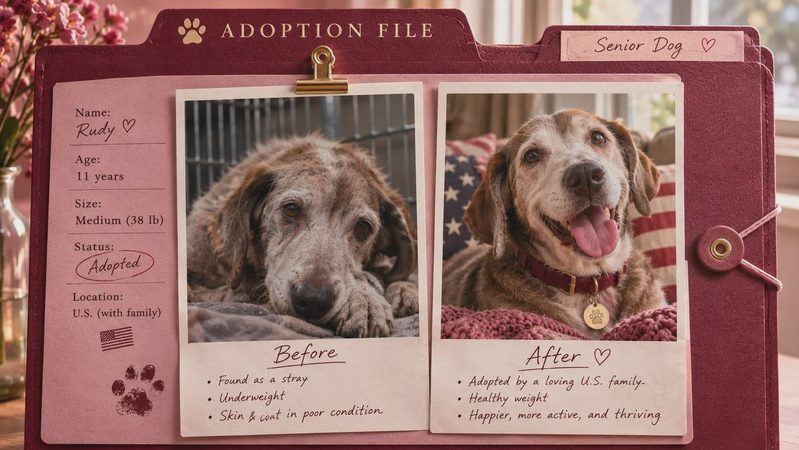
Senior dogs can be wonderful choices for first-time adopters because their personalities are often easier to read than a puppy's. Many already understand basic household life, settle more quickly, and need less nonstop supervision. You may skip the shredded-shoe phase, though nobody can promise a completely effortless adjustment.
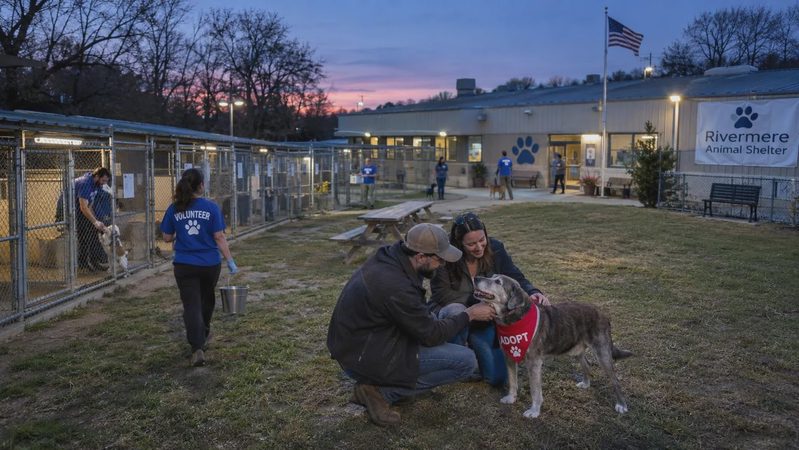
Ask the shelter or foster caregiver about mobility, house training, sleep patterns, medication, separation behavior, and reactions to handling. Also ask what happens after a missed dose or a stressful day. A dog who needs two daily medications may still be a terrific match, but you should know whether pills can go in cheese or require a more creative plan.
The emotional part matters too. Adopting an older dog can bring shorter time together, and that is painful. It can also mean giving a dog a soft bed, predictable meals, and a safe final chapter after years of uncertainty. Every good dog was once someone's "too much." Sometimes the gift is not a decade; it is one peaceful year that finally feels like home.
A simple way to judge your dog’s needs
Instead of asking only what age are dogs considered senior, track function. Can your dog eat comfortably, walk without obvious pain, sleep peacefully, eliminate normally, interact with favorite people, and enjoy at least a few familiar activities? Write down good days and difficult days for two weeks. Patterns are easier to discuss than vague worry.
Call your veterinarian promptly for sudden weakness, trouble breathing, repeated vomiting, collapse, severe pain, inability to urinate, or a major change in appetite. For gradual changes, schedule a wellness visit and bring your notes. Early treatment can turn a dog who seems old and withdrawn back into a companion who wants to sniff every mailbox on the block.
So, what age are dogs considered senior? The honest answer depends on the dog, but seven to ten is a useful starting range, with giant breeds aging earlier and small breeds later. Watch the individual, prepare your home, and ask for help before a manageable problem becomes a crisis. Older dogs still have plenty to teach us about comfort, patience, and showing up for the ordinary good days.

Letters
No letters yet. Yours could be the first.