If you are filling out an adoption application and wondering whether an older dog will be too much work, you are asking a smart question. What is considered senior for dogs depends heavily on size, breed, genetics, and health history. A seven-year-old Chihuahua and a seven-year-old Great Dane are not experiencing the same stage of life. Neither one should be dismissed as “old” based on a birthday alone.
I have lived with dogs who slowed down at six and dogs who still chased squirrels at twelve. My former foster, a beagle named Pancake, arrived at nine with a gray muzzle and the energy of a teenager whenever someone opened the refrigerator. Age tells you something, but daily behavior, veterinary records, and comfort tell you much more.
What is considered senior for dogs by size?
Small dogs often reach their senior years later than large dogs. A toy or small breed, such as a Yorkie, dachshund, or Chihuahua, may be considered senior around age seven to ten, although many remain active well beyond that. Medium dogs commonly enter this stage around seven or eight. Large breeds, including Labrador retrievers and German shepherds, may show senior changes around six or seven. Giant breeds such as Great Danes, mastiffs, and Irish wolfhounds can be considered senior as early as five or six.
These are useful ranges, not expiration dates. A healthy nine-year-old beagle may enjoy long walks, training games, and weekend adventures. A six-year-old mastiff may prefer shorter outings and a thick bed in a quiet corner. Breed-related risks matter, too. Some dogs are more prone to arthritis, dental disease, heart problems, or vision changes, so a rescue dog's medical background is worth discussing before adoption.
When people search for what is considered senior for dogs, they often expect one simple number. There is no universal cutoff. A better question is whether the individual dog can move comfortably, eat normally, rest well, and participate in the activities that make life enjoyable.
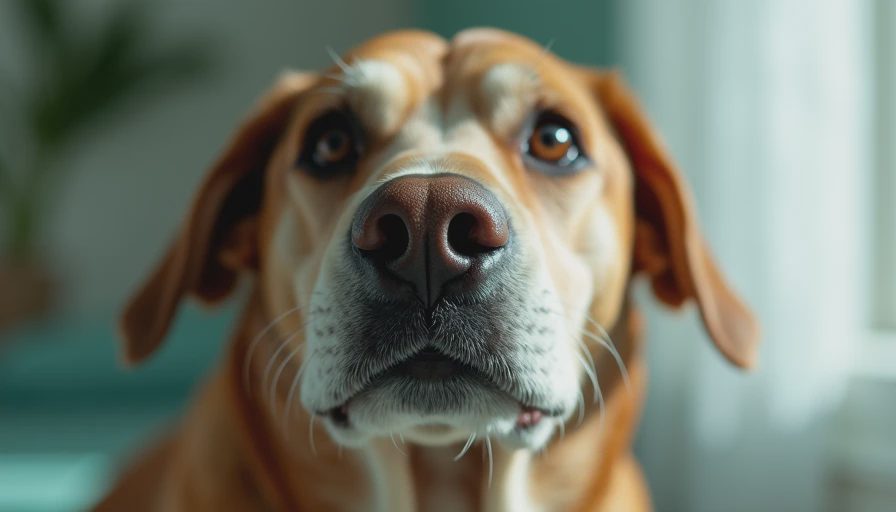
What is considered senior for dogs when health changes?
The most recognizable signs of aging are physical. You may notice gray hair around the muzzle, slower movement after a nap, stiffness on stairs, or less interest in jumping onto furniture. Senior dogs can also lose muscle, gain weight, sleep more, or need extra time to warm up before a walk. None of these signs automatically means a dog is suffering, but they deserve attention.
Behavior changes matter just as much. A dog that suddenly seems confused, paces at night, gets stuck behind furniture, vocalizes more, or forgets house-training may need a veterinary exam. Hearing and vision can decline gradually, and pain can make a previously easygoing dog less tolerant of handling. A new growl is not always a training problem. Sometimes it is a warning that a sore hip, infected tooth, or tender back needs help.
Dental care is an especially important part of senior dog planning. Bad breath is not simply a normal feature of getting older. Inflamed gums and damaged teeth can make eating painful and can affect overall health. Ask the shelter or rescue whether dental cleaning has been done, whether bloodwork is available, and what medications the dog currently takes. Those answers can help you plan for costs that might range from routine preventive care to several hundred dollars for a dental procedure.
How to evaluate an older dog before adoption
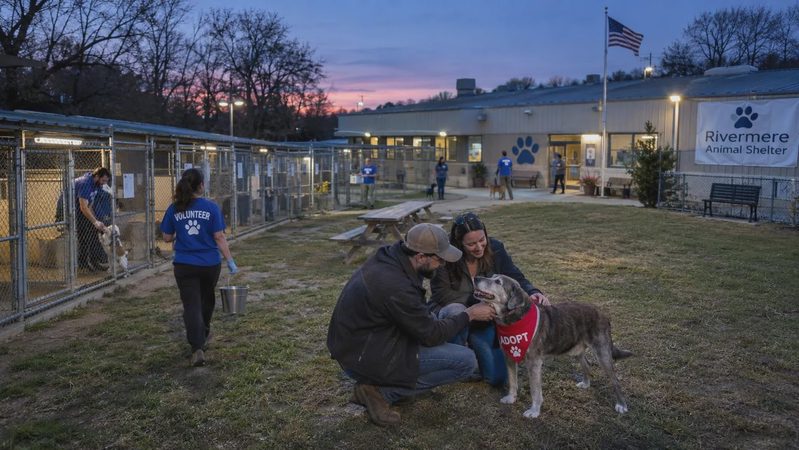
If you are meeting a senior dog, watch the dog in ordinary moments rather than focusing only on a quick kennel greeting. Can the dog stand without struggling? Does the dog walk evenly? Does it respond to a soft voice or hand signal? Is it comfortable being touched around the paws, ears, hips, and mouth? A shelter environment can make any dog tense, so do not treat one nervous meeting as a complete personality profile.
Request every available record, including vaccination history, heartworm testing, bloodwork, surgeries, allergies, and current prescriptions. Ask what the dog eats, how often it goes outside, whether it sleeps through the night, and how it behaves around stairs, cats, children, and other dogs. If the rescue allows it, take the dog for a short walk on a quiet street. You may learn more in fifteen calm minutes than you will in a noisy adoption room.
A pre-adoption veterinary appointment is also sensible. Budget for an examination, basic bloodwork, parasite prevention, and possible dental care. Pet insurance can be harder to obtain for preexisting conditions, so read exclusions carefully. Setting aside $25 to $75 each month in a pet savings account can also create a useful cushion for prescriptions, rechecks, or mobility supplies.

Making a senior dog comfortable at home
Senior dogs usually do not need a dramatic lifestyle makeover. They need predictable support. Put a washable orthopedic bed away from cold drafts, use rugs on slippery floors, and keep food and water easy to reach. A ramp or low step can help a dog reach a favorite couch without repeatedly jumping. Keep nails trimmed because long nails can make already-uncertain footing worse.
Exercise should be adjusted, not eliminated. Several ten-minute sniff walks may suit an older dog better than one long march. Gentle swimming can work for some dogs, while others dislike getting wet or have medical reasons to avoid it. Food puzzles, scent games, and five-minute training sessions provide mental exercise without placing heavy demands on aging joints.
Routine is kindness. Feed meals at consistent times, avoid rearranging furniture if vision is fading, and announce yourself before touching a sleeping dog. For a dog with hearing loss, a gentle floor vibration or visible hand signal can prevent startling. If pain, confusion, or nighttime restlessness appears, contact a veterinarian rather than trying supplements at random.
The emotional side of adopting a senior dog
The hardest truth is that senior dogs may have less time with you. That does not make the relationship less valuable. It can make the priorities clearer. You are not signing up to manufacture a perfect decade. You are offering a safe bed, reliable meals, medical attention, and the dignity every dog deserves during the years it has left.
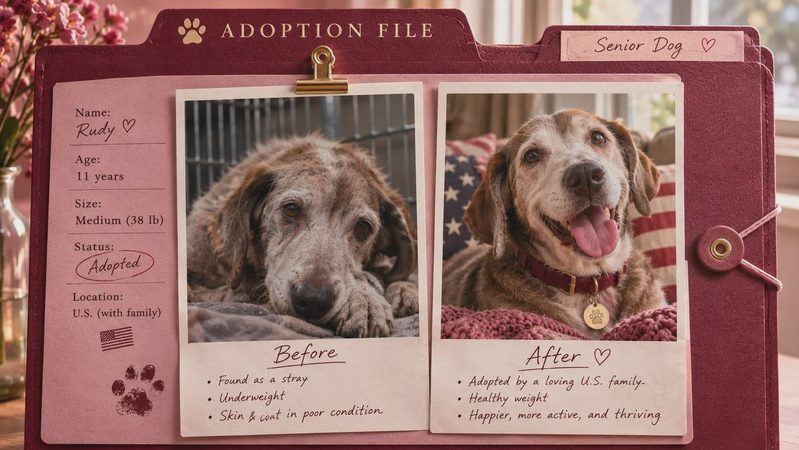
Senior adoption can also be wonderfully manageable for a first-time adopter. Many older dogs already understand household routines, leash walking, and basic boundaries. They often need less frantic exercise than a puppy and may settle into a home quickly. There can still be medical bills, grief, and adjustment challenges, so go in with open eyes rather than a rescue fantasy.
Ultimately, what is considered senior for dogs is a guideline, not a judgment. Look at the dog's body, habits, comfort, and medical needs as a whole. Ask honest questions, arrange a veterinary visit, and make practical changes before problems become emergencies. Every good dog was once someone's “too much,” and an older dog may be exactly the calm, funny, grateful companion your home has room for.
Letters
No letters yet. Yours could be the first.