Bringing home an anxious rescue puppy can feel less like a joyful movie ending and more like hosting a tiny, trembling roommate who refuses dinner. If you are searching for anxious rescue puppy advice, you are probably wondering whether you are doing something wrong. You are not. A puppy who has experienced shelter noise, transport, unfamiliar people, separation, or inconsistent care needs time before feeling safe.
The first goal is not obedience, cuddling, or a perfect family photo. The first goal is predictability. Food appears. The water bowl stays in one place. Nobody drags the puppy out from under the table. Small, boring routines are often where trust begins.
What an anxious rescue puppy may be communicating
An anxious rescue puppy may hide, freeze, pant, pace, bark at ordinary sounds, or follow you from room to room. Some puppies become incredibly quiet. Others nip, jump, or have accidents because their nervous systems are overloaded. Those behaviors are information, not a character judgment.
A puppy who will not look at you may be frightened, not stubborn. A puppy who cannot settle in a crate may have learned that confinement predicts isolation. A puppy who growls when approached could be asking for distance. Respecting that warning is safer than punishing it. Growling is communication, and removing the warning without changing the fear can create a more dangerous situation.
For the first several days, reduce stimulation. Skip the parade of visitors, busy dog parks, long errands, and introductions to every neighbor. Give the puppy a quiet room or gated corner with a bed, water, washable blanket, and a safe chew. Let the animal watch household life from a protected spot instead of being carried into it.

Set up a routine before you expect progress
With an anxious rescue puppy, routine does more work than enthusiasm. Serve meals at roughly the same times, take potty trips through the same door, and use one calm phrase before predictable events. I like simple language such as “outside,” “bed,” and “dinner.” Repetition helps a worried puppy connect words with outcomes.
Keep the first schedule modest. A young puppy may need a potty opportunity after waking, eating, drinking, playing, and napping. Accidents are normal, especially when the animal has never lived in a house. Clean them with an enzymatic product rather than scolding. Nature’s Miracle and Rocco & Roxie are commonly available options, but the technique matters more than the label: saturate the area and follow the product directions.
Make the home easier to understand. Close doors to rooms you cannot supervise. Cover a crate if that makes it feel quieter, while leaving enough airflow. Keep food, toys, and bedding consistent. If the puppy is too nervous to eat while you stand nearby, sit sideways several feet away and read a book. Your lack of pressure can become reassuring.
Build trust without forcing affection
People often want to prove love by hugging, petting, or picking up a frightened dog. That impulse is understandable, but an anxious rescue puppy may experience forced affection as a threat. Instead, turn sideways, soften your voice, and allow the puppy to approach. Toss a small treat nearby, then gradually toss it closer to you over several sessions.
Look for consent signals. A loose body, open mouth, gentle approach, or leaning into your hand suggests comfort. A tucked tail, lip licking, whale eye, stiff posture, or retreat means you should pause. You do not need to touch the puppy to have a successful interaction. Resting quietly in the same room can be a major win.
Use high-value rewards carefully. Tiny pieces of plain cooked chicken, a soft training treat, or a lick of canned food can help create positive associations. Keep portions small and account for them in the daily diet. If fear is so intense that the puppy refuses food, contact a veterinarian rather than trying to outsmart the problem with increasingly exciting treats.
Socialization should feel safe, not impressive
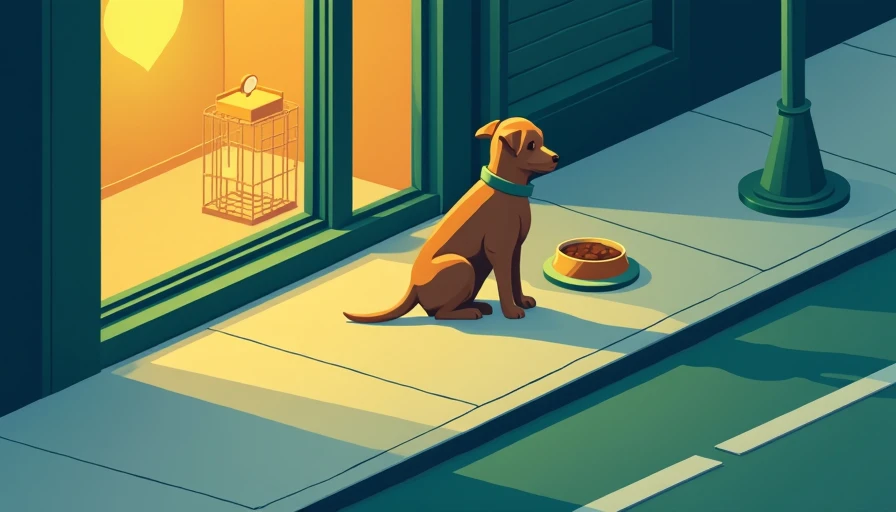
An anxious rescue puppy still needs socialization, but socialization does not mean meeting fifty people or playing with every dog. It means experiencing ordinary sights, sounds, surfaces, and handling at a level the puppy can tolerate. From a safe distance, let the puppy notice a delivery truck, bicycle, vacuum cleaner, or person wearing a hat, then reward calm observation.
Work below the fear threshold. If the puppy stops taking treats, pulls desperately toward home, or cannot respond to its name, you are too close or the session is too long. Increase distance and try again later. Two quiet minutes beside a sidewalk can be more useful than a chaotic thirty-minute walk.
Choose canine companions thoughtfully. A calm, vaccinated adult dog can model normal behavior, while a crowded dog daycare may overwhelm a nervous puppy. Ask a reward-based trainer for help if leash reactions, handling fears, or biting concerns appear. Look for credentials such as Certified Professional Dog Trainer, but also watch how the trainer discusses punishment. Fear does not need more intimidation.
Crate training, sleep, and the hard nights
For an anxious rescue puppy, nighttime can bring the biggest emotional crash. The house is dark, the new smells are unfamiliar, and the puppy may suddenly realize that the people nearby are not its original caregivers. Put the crate near your bed at first if practical. A quiet voice or a hand resting beside the crate can provide reassurance without opening the door for every sound.
Start crate practice during the day with the door open. Drop treats inside, feed meals near the entrance, and close the door for only a few seconds before reopening it. Increase time gradually. Never use the crate as punishment, and never expect a puppy to hold its bladder for an unrealistic stretch. A bathroom trip at night is less frustrating than cleaning a soaked bed in the morning.
Sleep deprivation can make adopters question everything. Trade nighttime duties with another adult if possible. Use washable bedding and keep cleaning supplies nearby. A rough week does not predict your entire life together, but ongoing panic, self-injury, repeated vomiting, or refusal to eat deserves veterinary attention promptly.
When progress is slow or you feel overwhelmed
An anxious rescue puppy may improve in a zigzag rather than a straight line. One day brings a tail wag; the next brings hiding after a loud noise. Measure progress in ordinary details: eating while you are in the room, relaxing with one paw outside the crate, accepting a harness, or choosing to nap near you.
Keep a short journal with meals, sleep, accidents, triggers, and wins. Patterns become easier to see after a week. Schedule a veterinary exam early to discuss vaccinations, parasites, pain, nutrition, and behavior. Medical discomfort can intensify fear, and professional support is not a failure of bonding.
You are also allowed to admit that the match is harder than expected. Ask the rescue for resources, request a trainer referral, or arrange a temporary break with a trusted helper. Returning or rehoming a dog responsibly is not the same as abandoning one. Honest decisions protect both the animal and the household.
The quiet moments count. When an anxious rescue puppy finally sleeps with its chin on the floor, accepts a treat from your hand, or trots toward you after a bathroom break, that is real progress. Every good dog was once someone's “too much,” and patient, practical care can give this one room to become itself.

Letters
No letters yet. Yours could be the first.