I've written a lot about the wins in this house—the dogs who stayed, the cats who settled, the transformations that still make me cry. But if I'm going to be honest about rescue, I have to write about the one that didn't work. Twelve years, thirty-plus animals, and one formal returning a foster dog decision that I still think about more than any other. Not because I regret it. Because I learned more from that return than from all the easy placements combined.
The dog's name was Gravy. He was a young, lanky mix with a high-pitched bark and a desperate need for space I couldn't give him. And here's the part that matters: he wasn't a bad dog. He wasn't aggressive. He didn't destroy my house or snap at the cats. He was just wrong for this home, and I was wrong for him. That's the thing about returning a foster that nobody wants to admit—sometimes the problem isn't the dog and it isn't you. It's the fit. And forcing a bad fit helps no one.
The Early Days: Trying to Make It Work
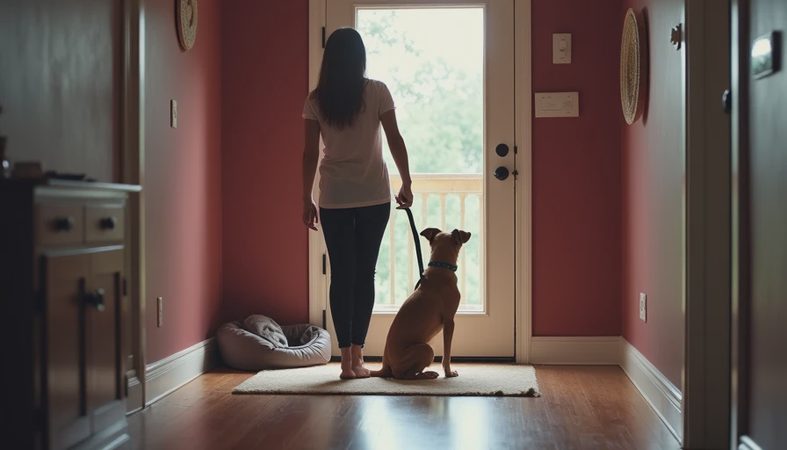
Gravy came to me from a crowded county shelter, where he'd been too stressed to eat. He was sweet, wiggly, and terrified of doorways. The first few days, I thought we could manage. I kept him in the safe room, fed him by hand, and introduced him to the resident dogs through a baby gate like I always do. He did okay. Not great, but okay.
Then the pacing started. Not the normal "new dog" pacing. This was hours of nonstop movement, circling the room, unable to settle even at night. He couldn't be crated because he'd panic and bite the bars until his gums bled. He couldn't be loose in the house because he'd fixate on the cats—not with prey drive, but with an intensity that made them hide for days. I tried everything I knew. Calming routines, long walks, more exercise, less stimulation, veterinary check, anxiety wraps. Nothing touched the core of it.
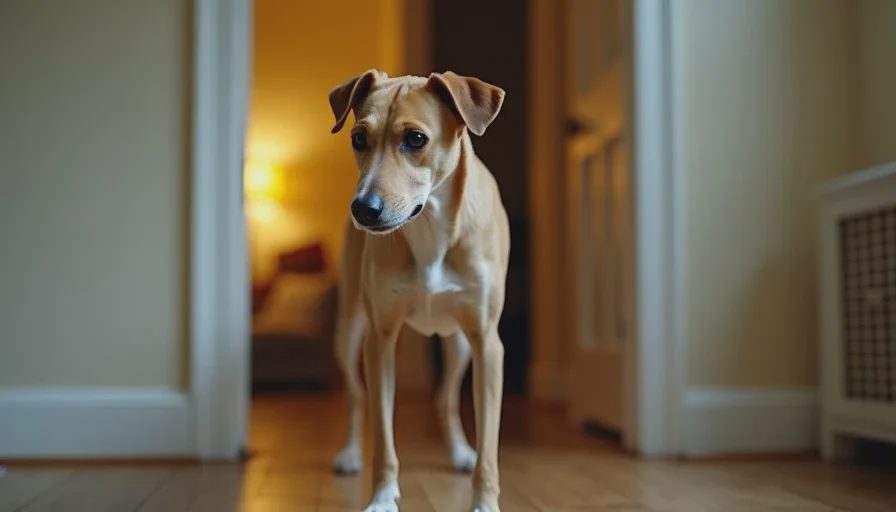
Some dogs are not anxious because of where they are. Some dogs are anxious because of who they are, or because of what happened before we ever met them. Gravy needed a home with no cats, a yard, and someone who was home all day. I couldn't be that person. Pretending I could wasn't kindness.
The Decision: When Trying Harder Becomes Selfish
I kept Gravy for five weeks. Five weeks of cleaning up pee from a dog who was too scared to go outside if a car passed by. Five weeks of separating rooms so the cats could eat. Five weeks of watching him pace and pant and refuse to rest. I kept telling myself that returning a foster dog meant I'd failed. That if I just tried one more thing, something would click.
What finally changed my mind wasn't a dramatic moment. It was a Tuesday afternoon. Gravy had finally, briefly, fallen asleep on a blanket in the kitchen. Then the mail carrier walked past the side window. He shot up, slammed into the back door, and stood trembling against the wall for twenty minutes. I sat on the floor with him, and I realized: this dog is not getting better here. He's just surviving. And I was keeping him in a place where he had to survive every single day because I was too proud to say the match was wrong.
That was the moment I understood the difference between responsible rehoming and abandonment. Abandonment is giving up without trying. Responsible rehoming is recognizing that the home you're offering isn't the home the dog needs, and making a different plan while you still can.
The Return Itself: Harder Than I Expected
I called the shelter the next morning. I told them Gravy needed a different environment—no cats, no shared walls, someone with a quieter schedule. The coordinator didn't scold me. She didn't guilt me. She said something I still remember: "Thank you for telling us now instead of six months from now."
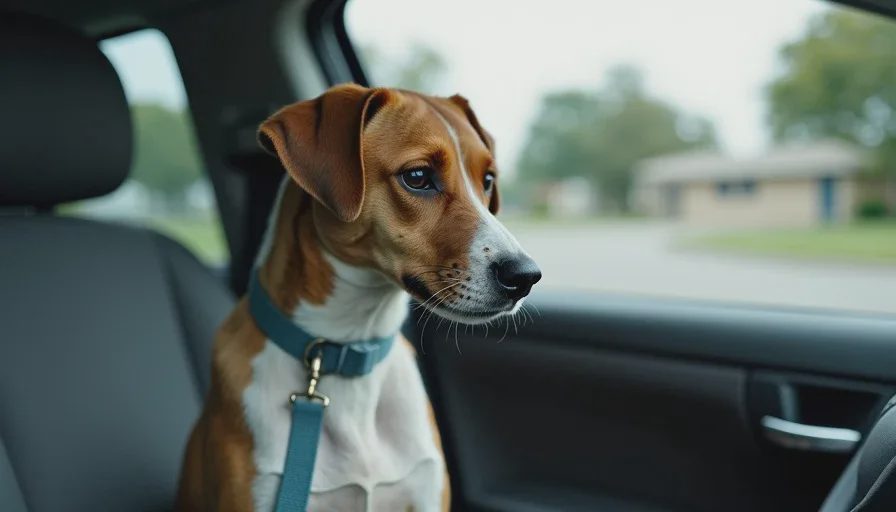
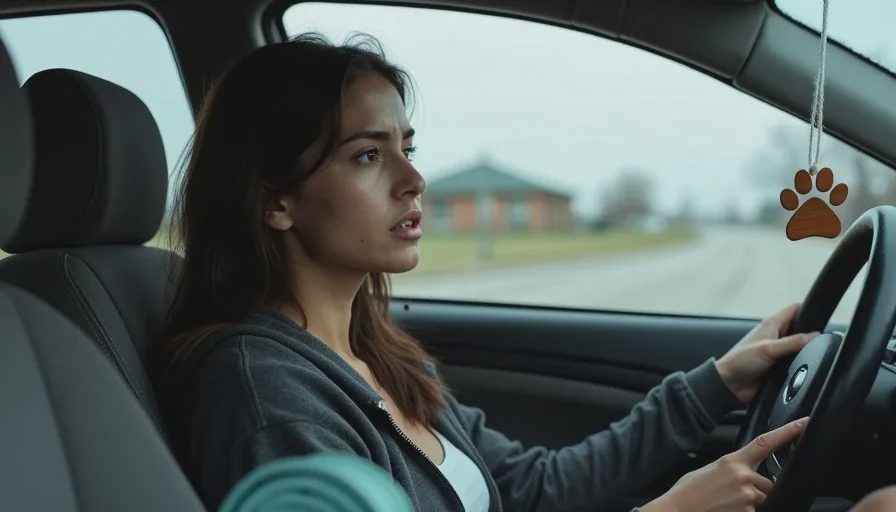
Driving him back was one of the hardest things I've done. He sat in the passenger seat, calm for the first time in weeks, like he knew the car better than the house. When I walked him into the shelter, he wagged his tail at the kennel tech. I signed the return form with a hand that shook. Then I sat in the parking lot and cried.
A week later, the shelter called. Gravy had been placed with a retired couple in a quiet house with no other pets and a big fenced yard. The update said he was sleeping through the night for the first time since they'd known him. That call saved me. Not because it proved I was right—I already knew that. Because it reminded me that returning a foster isn't the end of a story. It's a redirect.
What I Tell Adopters Who Are Considering a Return
If you're thinking about returning a foster dog, or even a dog you've adopted, I want you to hear this: you are not a monster. You're a person who took on something hard and discovered the shape didn't fit. That happens. Here's what I've learned about handling it with as much grace as possible.
Be honest with the rescue or shelter early
The longer you wait, the harder it gets for everyone—including the dog. Call when the problems are still manageable, not when you're at the end of your rope. Shelters and rescues would rather hear from you at week three than at month six.
Separate your guilt from the dog's needs
Your guilt is real, but it's not the same thing as the dog's wellbeing. In my case, my guilt was telling me to keep trying. Gravy's body was telling me he couldn't rest here. I had to learn to listen to the dog instead of my own shame.
Ask what the dog needs, not what you wish you could provide
I wanted to be the person who could fix Gravy. But wanting to fix a dog isn't the same as having the right environment for them. Sometimes the most loving thing you can do is say, "I'm not the one. Let me help find the one."
Don't let one return close you off
I almost stopped fostering after Gravy. I thought if I couldn't help every dog, I shouldn't help any. That was fear talking. The next foster I took was a tiny, terrified chihuahua mix who stayed exactly three weeks and went on to a lovely home. If I'd quit after Gravy, she never would have made it out.
The Hard Parts Don't Cancel the Good Parts
Returning a foster dog taught me something I couldn't have learned from a success story. It taught me that rescue isn't about winning every single time. It's about showing up, making the best call you can with the information you have, and staying honest when the plan changes.
Gravy didn't fail me. I didn't fail Gravy. We were just two puzzle pieces that didn't fit, and the kindest thing was to put him back on the table so someone else could find the match.
Every good dog was once someone's "too much."
And some dogs are just too much for the wrong house. That's not a failure. That's just the truth.
Letters
No letters yet. Yours could be the first.