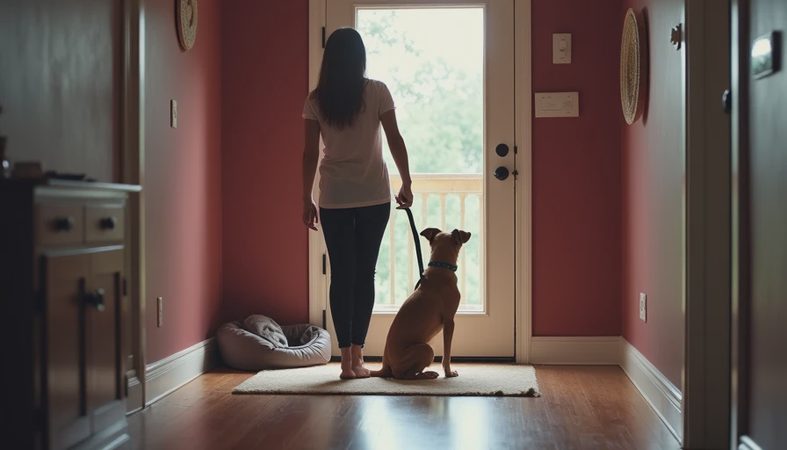
The first time someone searches for why i stopped fostering dogs, they may be sitting beside a crate, crying over a dog they cannot safely keep. I understand that feeling. I have fostered dogs who arrived shut down, dogs who needed expensive medical care, and dogs who taught me that love is not the same thing as unlimited capacity. Fostering can be beautiful, but it is not a moral test. Stopping does not make you selfish, disloyal, or a failed animal lover.
I started fostering after adopting my first rescue dog, Waffles, a one-eyed mutt who had convinced me that every frightened animal deserved a soft place to land. Over the years, more than 30 rescue animals passed through my home. Some stayed for a weekend. Some stayed for months. One became a permanent member of the family because I foster-failed spectacularly. The goodbyes were hard, but the daily work was harder than many cheerful rescue posts admit.
The real reasons fostering became too much
When I explain why i stopped fostering dogs, I do not point to one dramatic incident. It was a pileup of ordinary pressures. My resident dogs needed attention. My cats needed quiet. A new foster might bark at 2 a.m., guard food, chase the cat, or panic whenever I left for groceries. Even a friendly dog can turn a small house into a constant management project.
There were practical costs, too. Rescue groups often provide veterinary care, but foster families still spend money on baby gates, washable bedding, enzyme cleaner, sturdy leashes, calming treats, and replacement shoes. A single accident can mean $40 in cleaning supplies. A damaged crate or emergency boarding arrangement can cost much more. Foster care is usually unpaid, and the emotional labor does not fit neatly into a volunteer-hour spreadsheet.
The hardest part was becoming the dog’s entire world while knowing I was supposed to let go. I answered adoption messages during dinner, coordinated meet-and-greets on weekends, and tried to describe behavior honestly without making a good dog sound frightening. I wanted each placement to work so badly that I sometimes ignored my own exhaustion.

Compassion fatigue is a real limit, not a character flaw
Compassion fatigue can look surprisingly ordinary. You stop enjoying the photos. You dread hearing a new dog move around the house. You feel irritated when someone asks for another emergency foster. You begin measuring every request against your sleep, your money, your relationship, and the animals already depending on you.
That was a major part of why i stopped fostering dogs. I was still compassionate, but I was no longer consistently available. A foster dog deserves more than food, shelter, and a person who is trying not to resent the situation. My resident animals also deserved a calm home. Saying yes out of guilt would have helped nobody for long.
There is a particular kind of pressure in rescue culture that suggests a good person always makes room. I have seen kind people foster through illness, job changes, pregnancy, grief, and serious behavior challenges because they were afraid to disappoint a coordinator. But a rescue program needs reliable homes, not homes that collapse after one more placement. A pause can protect animals just as surely as a yes.
What I learned about boundaries and rescue groups
A healthy rescue group should ask about your household before placing a dog. That includes resident pets, children, work schedules, fencing, transportation, bite history, medication needs, and what behaviors you can realistically manage. If someone treats reasonable questions as a lack of commitment, that is useful information.
Before my final foster, I should have written down firm boundaries. I needed a dog who could safely coexist with cats, tolerate a few hours alone, and fit with my existing dogs. I needed the rescue to have a plan for veterinary emergencies and a backup home if the match failed. Instead, I let urgency make the decision. Urgency is common in rescue, but it should not erase safety or informed consent.
If you are thinking about why i stopped fostering dogs because your coordinator is pressuring you, start with a clear sentence: “I am not available for a new placement right now.” You do not need a ten-paragraph explanation. You can also request a break for three months, offer transport help instead of housing, or volunteer at adoption events. Service does not have to look one particular way.

Fostering is not the only way to help a dog
Some people can foster but cannot adopt. Others can donate $25 for medication, drive a dog 30 miles to a veterinary appointment, take professional-looking adoption photos, or share a carefully written profile. A person with training experience might help a new adopter for one hour each week. Someone with a spare bedroom might provide short-term medical recovery but not handle a dog with serious separation anxiety.
When I think about why i stopped fostering dogs, I also think about what replaced it. I still donate supplies, transport animals when my schedule allows, and answer questions from nervous adopters. I have learned that one steady, limited contribution is more sustainable than repeatedly promising to do everything. The rescue world needs people who know their limits and keep showing up within them.
There is also value in being an honest adopter. If a dog is too much for your home, telling the rescue early is kinder than hiding a bite, skipping walks, or waiting until everyone is in crisis. Responsible rehoming and returning a dog through the proper rescue channel are not automatically failures. Sometimes they are the safest choices available.
How to decide whether to pause or stop
Look at your actual week, not your ideal week. Count sleep interruptions, work hours, existing pet expenses, transportation time, and the behavior problems you can handle without fear. Ask whether your household has a separate decompression space. Consider what happens if the dog needs $300 of medication, cannot attend a meet-and-greet, or stays for six months instead of six days.
Then notice your body’s answer. If you feel relief when imagining a break, listen to that. If you feel grief but also genuine energy for one carefully matched placement later, a pause might be enough. If your resident animals are stressed, your finances are strained, or you are angry every day, stopping may be the responsible decision.
My answer to why i stopped fostering dogs is not that fostering is bad. It is that my household reached its limit, and pretending otherwise would have turned generosity into resentment. I needed to protect the dogs already in my care and recover the part of rescue that once felt joyful.
The dogs are still worth loving
Stopping did not erase the dogs I helped. The shy terrier who finally slept on the couch still matters. The senior dog who left with a family who sent updates still matters. The foster who stayed with me forever certainly matters. Their stories did not become less meaningful because I eventually closed the guest room door.
Every good dog was once someone's “too much.” Sometimes your job is to offer a bridge to a better home. Sometimes your job is to recognize that you cannot safely build another bridge today. Both choices can come from love.
If you are searching why i stopped fostering dogs because you are considering your own goodbye, take a breath before making a decision in the middle of a crisis. Contact the rescue, describe the facts plainly, and ask for help with a transition plan. You are allowed to choose safety, rest, and stability. A compassionate limit is still compassion.

Letters
No letters yet. Yours could be the first.