The 3-3-3 rule for rescue dogs gives new adopters a simple way to understand the strange, uneven first weeks after bringing a dog home. The first three days are often about decompression. The first three weeks are about learning your household routine. By three months, many dogs are beginning to feel genuinely settled. This is a helpful framework, not a promise or a deadline. Some dogs open up in a weekend, while others need many months and professional support.
What the three days are really like
During the first three days, your new dog may sleep almost constantly, refuse food, pace, pant, hide, bark, or follow you from room to room. A quiet dog is not necessarily a relaxed dog. Some rescues become still and shut down because everything around them feels unfamiliar. Others arrive with enough adrenaline to ricochet around the living room like a furry pinball.
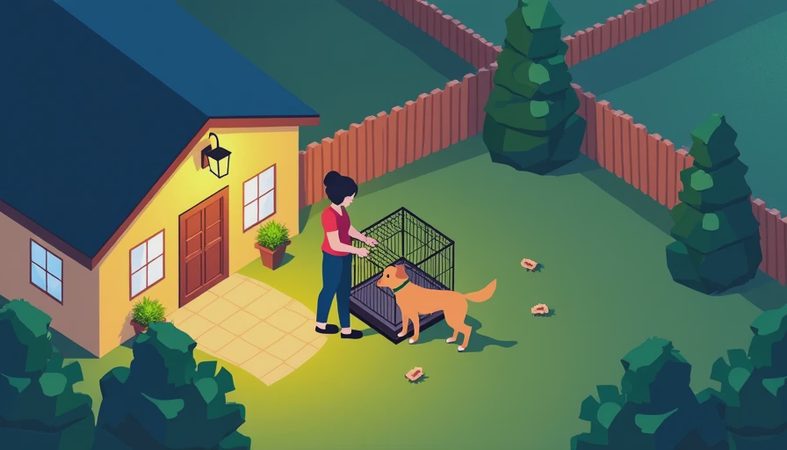
The 3-3-3 rule for rescue dogs starts with lowering pressure. Give the dog one calm, dog-proofed room instead of access to the entire house. Put water, food, a bed, and a safe retreat nearby. Keep visitors away, skip the dog park, and avoid a parade of introductions. Take short leash walks only for bathroom needs unless your dog clearly wants to explore.
Do not force affection. Sitting on the floor nearby while reading a book can be more reassuring than reaching over a nervous dog’s head. Let the dog choose whether to approach. If the dog will not eat for a day, has repeated vomiting or diarrhea, struggles to breathe, or seems weak, contact a veterinarian promptly rather than assuming stress explains everything.

Weeks three through four: routine replaces guessing
Around the third week, a rescue dog often starts showing more of its actual personality. That can feel like progress and trouble at the same time. A dog that was silent may begin barking. A dog that seemed easy may start stealing socks, guarding a couch, pulling on walks, or reacting to people outside the window. This does not automatically mean the adoption is failing. It often means the dog feels secure enough to communicate.
This is where the 3-3-3 rule for rescue dogs becomes practical. Feed meals at consistent times, use the same door for bathroom trips, and create predictable rest periods. A basic schedule might include breakfast at 7 a.m., a quiet nap after a short walk, dinner around 6 p.m., and one final bathroom break before bed. Predictability helps a dog spend less energy figuring out what happens next.
Keep training simple. Reward looking at you, coming when called indoors, releasing a toy, and settling on a mat. Use small treats such as Zuke’s Mini Naturals or pieces of plain cooked chicken, adjusting meals if treats add too many calories. Avoid punishment for accidents or growling. A growl is information; punishing it can remove the warning without removing the fear.
What changes by three months
The three-month mark is not a magical finish line, but many adopters notice a deeper shift by then. Your dog may sleep more soundly, recognize household sounds, walk into the kitchen when the treat jar opens, and recover faster from ordinary surprises. You may also have a clearer picture of lasting needs, such as separation anxiety, prey drive, leash reactivity, or a strong preference for quiet spaces.
The 3-3-3 rule for rescue dogs is most useful when it encourages observation instead of comparison. Do not measure your dog against a neighbor’s Labrador who greeted everyone on day one. Measure progress against your dog’s earlier behavior. A dog that used to hide behind the washing machine but now rests six feet away has made real progress. So has a dog that can pass one mailbox without barking instead of three.
Some challenges need help beyond patience. A certified professional dog trainer can demonstrate reward-based techniques for pulling, jumping, and fear. A veterinary behaviorist is the right kind of specialist for serious aggression, panic, compulsive behavior, or medication questions. Early help can protect both the dog and the people living with it.

Mistakes that make the adjustment harder
Well-meaning adopters often give a new dog too much freedom too soon. They invite friends over, buy an expensive bed, schedule a grooming appointment, introduce every family member, and expect a long neighborhood walk before the dog has learned where the water bowl sits. That is a lot of change in a very short time.
Another common mistake is interpreting every behavior as a permanent trait. A dog that will not play on day two may become a fetch enthusiast later. A dog that appears affectionate may need boundaries once it feels safer. The 3-3-3 rule for rescue dogs reminds you that behavior is affected by stress, sleep, pain, environment, and learning history. Give the picture time to develop.
Safety matters while that picture develops. Use a properly fitted collar or harness, a standard leash, and identification with your current phone number. Keep doors and gates secured, because newly adopted dogs can escape through openings that your previous pets ignored. Microchip registration should be updated as soon as possible. For the first several weeks, skip off-leash areas unless you are in a securely fenced space.
How to support a dog who is struggling
If your dog cannot settle, start with the environment. Close curtains if outside movement triggers barking. Add white noise, provide a covered crate if the dog likes enclosed spaces, and separate pets during meals. Feed high-value treats only when the dog can still think and respond; throwing food at a terrified dog can increase pressure rather than reduce it.
Track small details in a notebook or phone. Record meals, sleep, bathroom habits, triggers, successful walks, and moments of relaxation. Patterns become much easier to see after a week. You might discover that barking is worst after a busy afternoon or that your dog settles after ten minutes of sniffing in the yard.
The 3-3-3 rule for rescue dogs should never be used to dismiss a serious problem. There is no prize for waiting three months while a household is unsafe or everyone is miserable. Contact the rescue, your veterinarian, or a qualified trainer early. A return or rehoming decision can be responsible when the match is genuinely unsafe or unsustainable; asking for help is not a moral failure.
Let the relationship grow at its own speed
Adoption is not always an instant movie montage. Sometimes the first win is a dog drinking water while you are in the room. Sometimes it is a tail moving once, a full night of sleep, or the first relaxed sigh on the couch. The 3-3-3 rule for rescue dogs gives those quiet changes somewhere to fit while leaving room for individual differences.
Build trust through repetition: safe handling, regular meals, clear boundaries, gentle play, and plenty of rest. Celebrate the dog who can finally nap, not just the dog who learns to sit. If your expectations need adjusting, adjust them without shame. You and your dog are both learning a new household.
Every good dog was once someone’s too much. That does not mean every dog belongs in every home, and it does not mean love fixes fear or dangerous behavior. It means a careful beginning can reveal strengths that stress kept hidden. Give the process structure, ask for help when needed, and let progress be ordinary, lopsided, and real.


Letters
No letters yet. Yours could be the first.