Crate training a rescue dog can feel surprisingly emotional. You may be asking an animal who has already lost a home, a routine, or a trusted person to spend time in a small enclosed space. That does not make a crate cruel, but it does mean the introduction needs patience and good judgment. The goal is not to shut your new dog away. The goal is to create a quiet, predictable place where they can sleep, decompress, and feel safe.
I have watched dogs ignore a crate for days and then choose it during a thunderstorm. I have also watched adopters move too quickly and end up with barking, panic, and a crate that became difficult to use. Every good dog was once someone's “too much,” so start with curiosity rather than assumptions.
Choose the right crate and location
The crate should be large enough for your dog to stand up, turn around, lie down comfortably, and stretch out. A crate that is much too large can make house-training harder because some dogs will sleep at one end and eliminate at the other. For a growing puppy, a wire crate with a divider lets you adjust the space. For an adult dog, measure from the nose to the base of the tail, then add a few inches.
Place it in a calm part of the home, not an isolated basement or busy hallway. A corner of the living room often works well because your dog can observe normal household life without being in the middle of every footstep. Remove collars, harnesses, and dangling tags before crating; they can catch on the bars. Add a washable mat only after you know your dog will not shred or eat it.
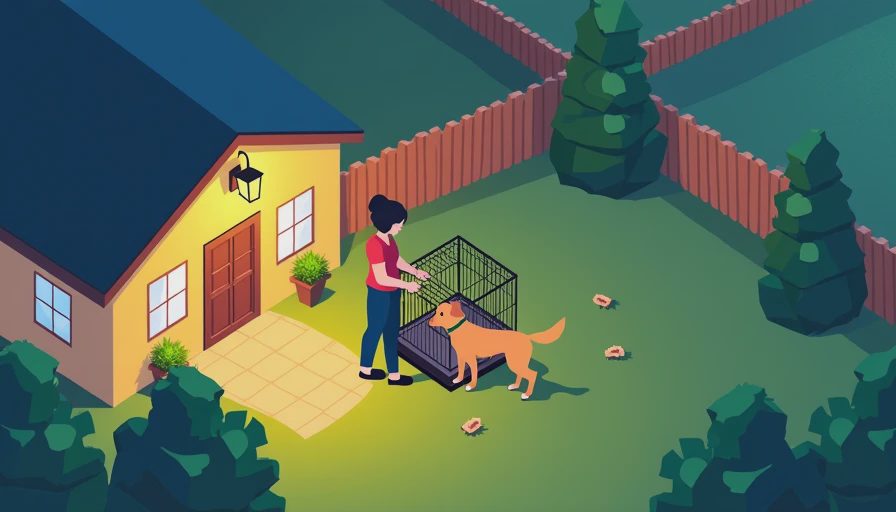
The first stage of crate training a rescue dog is simply making the area ordinary. Leave the door open and toss treats near the entrance. Then toss one just inside. Let your dog walk out whenever they want. Do not push their shoulders through the doorway or close it because you are eager to begin.
Build positive associations slowly
Use something your dog genuinely values, such as small pieces of chicken, a soft training treat, or part of their dinner. Feed a few meals beside the crate, then place the bowl just inside, moving it farther back over several meals. If your dog freezes, pants, or refuses food, the step is too large. Move the bowl back out and try again later.
When your dog enters willingly, say a calm phrase such as “kennel” or “bed,” then reward the choice. Keep your voice relaxed. Excited praise can be overwhelming for a nervous dog, especially one still learning the household’s sounds and routines. You are teaching that entering predicts something good, not that the crate is a test they must pass.
Begin closing the door for one or two seconds while your dog is eating or working on a safe food toy. Open it before whining starts whenever possible. Gradually try five seconds, ten seconds, and then a minute. Stay nearby at first. Sit on the floor, read a book, or wash dishes where your dog can see you. Crate training a rescue dog works best when progress is measured in calm repetitions, not dramatic leaps.
Read stress signals honestly
Some protest is normal. A dog who sighs, shifts position, or gives a brief whine may be bored or frustrated. Panic is different. Watch for frantic scratching, heavy drooling, repeated attempts to bite the crate, trembling, vomiting, or trying to escape hard enough to risk injury. If you see those signs, open the door when your dog is as calm as you can safely achieve, then make the next session easier.
Never use the crate as punishment after an accident, growl, stolen food, or destructive episode. Your dog should not learn that the crate predicts your anger. If the behavior involves aggression, severe separation distress, or self-injury, contact a certified professional trainer or veterinary behaviorist. A crate cannot solve anxiety by itself, and forcing longer confinement can make it worse.
A camera can help you see what happens after you leave the room. An inexpensive indoor camera often reveals whether your dog settles after three minutes or escalates immediately. That information is more useful than guessing from a shredded blanket when you return.
Practice short absences
Once your dog can rest calmly with the door closed while you are nearby, stand up and sit down. Walk to the kitchen, return, and reward quiet behavior. Step outside for ten seconds, then thirty seconds, then a few minutes. Vary the duration instead of increasing it every single time. A dog who succeeds at two minutes may still struggle with ten, so repeat easy wins.
Before a planned absence, offer a bathroom break and a little calm activity. A sniffing walk around the block can be more helpful than an intense game of fetch that leaves your dog overstimulated. Use a durable food puzzle only if you have already observed your dog using it safely. Some dogs guard stuffed toys or destroy them, so inspect every item.
Never leave a newly adopted dog crated for an entire workday without a break. Adult dogs differ, but long confinement can create physical discomfort, accidents, and frustration. Arrange a dog walker, trusted neighbor, sitter, or midday return while you build a workable routine.

Make bedtime and daily life predictable
Many rescue dogs settle more easily at night when the crate is near your bed. Your presence can reduce the fear of being abandoned again, and you can hear whether your dog needs a bathroom trip. After several calm nights, move the crate a few feet at a time if you want it elsewhere. Some dogs sleep peacefully from the first night; others need a week or more of gradual adjustment.
Keep the routine boring and consistent. A final potty trip, a quiet cue, a treat, and lights out can become reassuring. If your dog whines immediately, wait briefly to see whether they settle. If the whining continues or you suspect a bathroom need, take them outside without playtime and return directly to bed. Puppies, senior dogs, and dogs with medical problems may need more frequent breaks.
For crate training a rescue dog, consistency matters more than expensive equipment. A $40 to $150 crate, washable bedding, treats, and a camera are useful, but they cannot replace time. One calm five-minute session repeated daily is more valuable than an hour-long session that ends in panic.
Know when to change the plan
Some dogs are comfortable in a crate, while others do better behind a baby gate in a dog-proofed room. That is not failure. A gated kitchen with a bed, water, safe chew, and nothing dangerous to swallow may be the better option. The purpose is safe rest, not proving that every dog must love a specific tool.
If your dog is calm when you are home but panics whenever you leave, look beyond ordinary crate training a rescue dog. Separation anxiety may require a structured behavior plan and veterinary support. If accidents continue, schedule a veterinary examination rather than assuming stubbornness; urinary infections, pain, parasites, and digestive problems can affect house-training.
Track small details for a week: how long your dog settles, what treats work, which noises trigger concern, and whether the door or your departure is the harder part. Share those notes with a trainer or vet. Clear observations turn a vague crisis into a solvable pattern.
Crate training a rescue dog is not a race toward eight quiet hours. It is a series of tiny promises: the food appears, the door opens, the person comes back, and nobody is forced past their limit. Celebrate the unglamorous wins, such as choosing the crate for a nap or resting while you take out the trash. Trust grows in those ordinary moments, and that trust is the real training.


Letters
No letters yet. Yours could be the first.