The first puddle usually happens at the worst possible moment: ten minutes after you came inside, right beside the clean laundry, while your new dog watches you with enormous, worried eyes. Learning how to potty train a rescue dog can feel confusing because you may not know what your dog experienced before adoption. The good news is that house training is usually a routine problem, not a character flaw. With patience, supervision, and a schedule you can actually maintain, most dogs make steady progress.
Start with a reset, not a punishment
For the first several days, assume your rescue dog is not reliably house trained, even if the shelter said the dog was previously clean indoors. A move changes everything: the smells, floor surfaces, feeding times, noises, and people. Stress can also cause more frequent urination, loose stool, or accidents from excitement.
Choose one outdoor bathroom spot and use the same door whenever possible. Keep your dog on a leash and walk directly there before allowing play. Stand quietly for five minutes. When your dog finishes, praise warmly and offer a small treat within a few seconds. Timing matters. Your dog needs to connect the treat with going outside, not with returning to the house.
Do not scold after an accident. A dog cannot connect an angry reaction with a puddle discovered twenty minutes later. Some frightened dogs learn only that people become scary near bodily waste, which can lead to hiding behind furniture. Every good dog was once someone's "too much," and a confused beginning does not predict a bad future.
Build a schedule your dog can understand
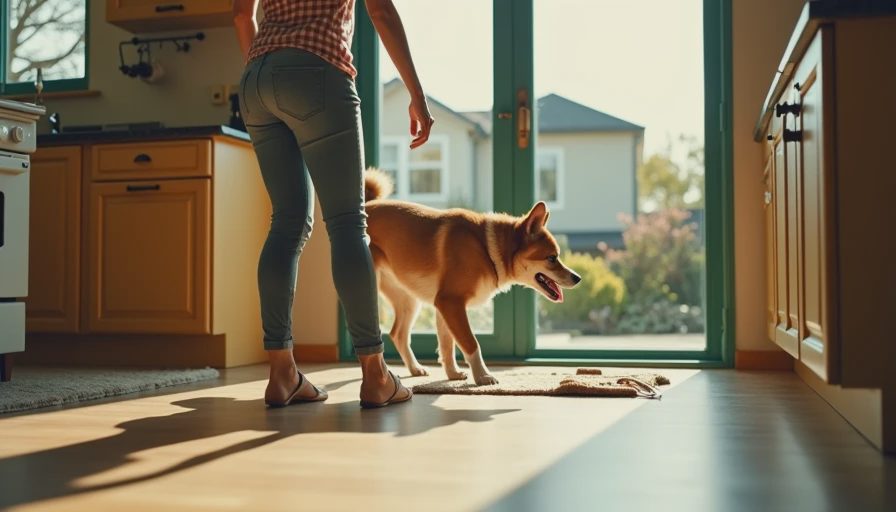
The central answer to how to potty train a rescue dog is predictable repetition. Take your dog outside immediately after waking, eating, drinking a large amount, playing, and coming out of a crate. Young dogs may need trips every 60 to 90 minutes. An adult dog who is anxious or newly adopted may need the same frequency at first.
Feed meals at regular times rather than leaving food down all day. Track bathroom trips in a notebook or phone note. Write down the time, whether your dog urinated or defecated, and what happened just before an accident. After three or four days, patterns often appear. If accidents happen around 2 p.m., schedule an outdoor trip at 1:40 p.m.
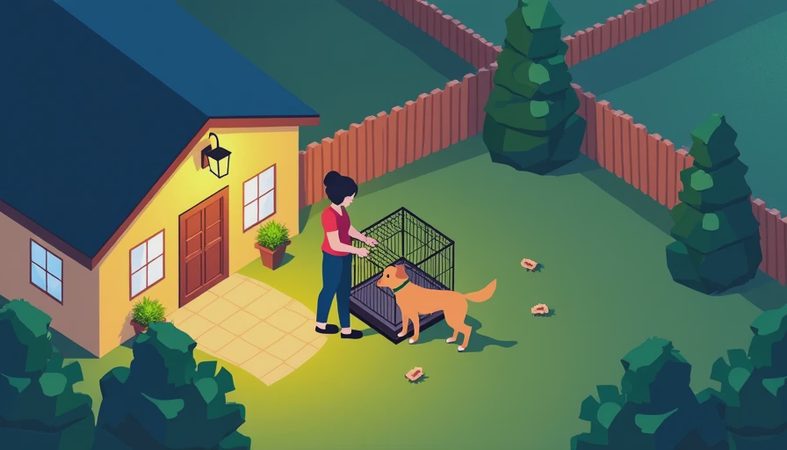
Supervision is the part people skip when they are tired, but it prevents the most rehearsal of unwanted behavior. Keep your dog in the same room, use a lightweight leash attached to your belt, or create a small gated area with a bed and safe chew. A crate can help when introduced kindly, but it should never be used as an all-day parking space or punishment box.
Handle accidents calmly and completely
If you are figuring out how to potty train a rescue dog, cleaning supplies will become part of your household equipment. Use an enzymatic cleaner made for pet urine, such as Nature's Miracle or Rocco and Roxie. Standard soap can remove the visible mark while leaving odor molecules that tell a dog, "This is a bathroom."
Blot fresh urine instead of rubbing it deeper into carpet. Saturate the area according to the product directions, allow the recommended contact time, and let it dry fully. For repeated accidents on a rug, temporarily remove the rug. Block access to favorite corners with a baby gate, furniture, or a closed door until your dog has built a stronger habit.
When you catch your dog starting to squat indoors, interrupt gently with a neutral phrase such as "outside," then move quickly to the bathroom spot. If your dog finishes outdoors, reward immediately. If the accident is already over, say nothing and clean it. This approach teaches the replacement behavior without creating fear.
Expect rescue-specific complications
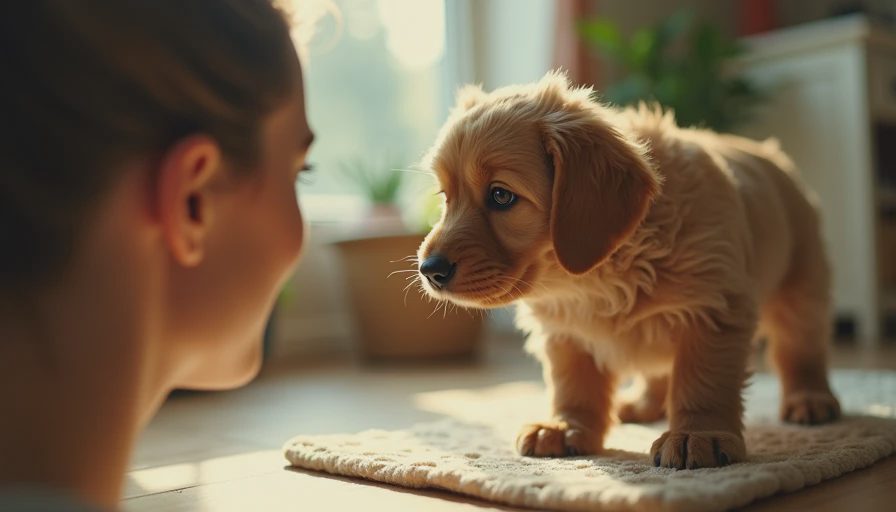
Some dogs do not understand grass, hardwood, gravel, or artificial turf because their previous routine was different. A dog from a crowded kennel may have learned to eliminate on concrete. A small dog who lived in an apartment may need to learn that an elevator ride and hallway come before the bathroom. Take the surface history seriously rather than assuming stubbornness.
Fear can also interrupt training. A dog who freezes outside, trembles at traffic, or refuses to potty in rain may need a quieter location and shorter outings. Stand sideways, keep the leash loose, and avoid hovering. For a dog who will not eliminate outside at all, ask your veterinarian or a qualified force-free trainer for help instead of withholding water or meals.
Medical problems deserve attention too. Urinary infections, parasites, digestive illness, pain, diabetes, and age-related changes can cause accidents. Call a veterinarian if accidents begin suddenly, your dog strains, drinks far more than usual, has blood in the urine, develops persistent diarrhea, or cannot stay dry despite a consistent routine. Training cannot solve a medical problem.
Make nights and absences manageable
Nighttime is a common question when learning how to potty train a rescue dog. Take your dog out immediately before bed, then keep the sleeping area close enough to hear movement. Some adult dogs sleep through the night from the beginning; others need one quiet trip outside. Set an alarm before the usual accident time, then gradually move it later after several dry nights.
For workdays, do not expect a newly adopted dog to remain crated for eight or nine hours. Arrange a midday dog walker, trusted neighbor, daycare, or a pen with a separate washable bathroom area when necessary. Pee pads can be useful during medical recovery or extreme weather, but they can also slow outdoor training if they remain available indefinitely. Use them intentionally, not as a substitute for a schedule.
When you return home, take your dog outside before greetings become exciting. Calm arrivals reduce submissive or excitement urination. Keep your voice soft, clip on the leash, and head out first. You can celebrate together after the bathroom trip.
Measure progress realistically
The best way to potty train a rescue dog is to measure trends rather than demand perfection. A dog who had four accidents last week and two this week is learning, even if today's accident happened on your favorite throw blanket. Look for longer dry periods, faster elimination outside, fewer sniff-and-circle episodes indoors, and a growing habit of waiting near the door.
Give freedom gradually. After a solid stretch of reliable behavior, allow access to one additional room while continuing scheduled trips. If accidents return, reduce freedom for several days and review the schedule. Many dogs need weeks, not a magical three-day transformation. Moving too quickly often creates setbacks that look like failure but are really useful information.
You are allowed to feel frustrated. Clean the floor, call a friend, take a breath, and reset the next trip. If the problem is overwhelming, a veterinarian, certified trainer, or reputable rescue contact can help you create a plan. Learning how to potty train a rescue dog is not a test of whether you are a good adopter. It is one ordinary, messy way two unfamiliar beings learn to live together.


Letters
No letters yet. Yours could be the first.