Introducing new puppy to older dog can feel like bringing a tiny tornado into your resident dog's quiet life. The puppy is bouncy, mouthy, and convinced every bowl, toy, and sleeping human belongs to them. Your older dog may be patient, irritated, frightened, or some combination of all three. None of those reactions automatically means the match is failing. The goal is not instant friendship. The goal is safe, boring coexistence that can grow into something better.
I have made the exciting mistake of letting a new dog walk straight through the front door while the resident dogs gathered around like a welcome committee. It looked sweet for about thirty seconds. Then someone guarded a chew, someone else barked, and I spent the afternoon wishing I had planned better. A slower introduction protects both dogs and gives you useful information before everybody is overtired.
Prepare the house before the puppy arrives
Before introducing new puppy to older dog, create separate spaces. Use a baby gate, exercise pen, crate, or closed room so each dog can rest without being followed. Your older dog should still have access to familiar beds, water, and a quiet retreat. Do not make the resident dog surrender every valued possession on day one.
Put away high-value chews, food puzzles, and favorite toys for the first several days. Keep ordinary toys available only when you can supervise. Feed the dogs in separate areas, even if your older dog has never guarded food before. Stress can produce behavior you have not seen previously, and a preventive setup is kinder than correcting a conflict.
Check the practical details, too. Trim sharp puppy nails, schedule a veterinary check if the puppy has not had one, and confirm that both dogs are current on appropriate vaccines and parasite prevention. Have two leashes, separate bowls, cleanup supplies, and treats ready. The first week goes more smoothly when you are not searching for a gate while one dog steals the other dog's dinner.
Start somewhere neutral and quiet
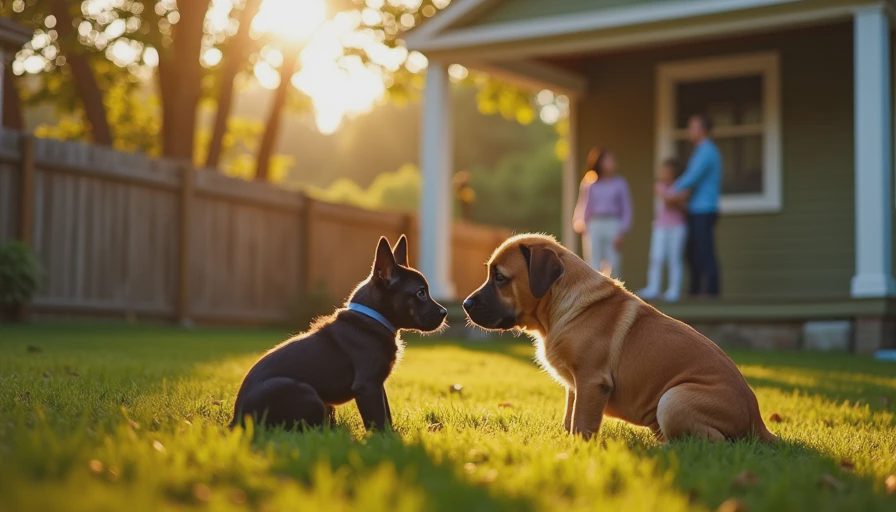
The first meeting should happen outside the home if possible. A quiet sidewalk, a low-traffic park edge, or a friend's fenced yard can work better than the living room. Avoid crowded dog parks, where excitement and poor escape options can turn a cautious greeting into a problem.
Use one handler per dog. Begin far enough apart that both dogs can notice each other without pulling, barking, freezing, or hiding. Walk in the same direction, gradually decreasing the distance. Reward loose bodies, soft faces, and checking in with the handler. Let the dogs sniff briefly, then keep moving instead of forcing a long face-to-face encounter.
Introducing new puppy to older dog works best when the puppy learns that calm behavior makes good things happen. If the puppy launches at the older dog, increase distance and try again. If the older dog growls, do not punish the warning. Calmly separate the dogs and reduce the pressure. A growl communicates discomfort; it is information you can use.
Bring them home in controlled stages
When both dogs can walk near each other without escalating, enter the home together after a short walk. Keep leashes loose and let the older dog move away. Do not carry the puppy directly toward the resident dog's face, and do not trap either dog in a corner for a forced sniff.
For the first few days, use short supervised sessions followed by rest. Five peaceful minutes is more useful than an hour that ends with snapping. You might allow the puppy to explore the kitchen while the older dog relaxes behind a gate, then switch access. This lets each dog investigate scents without constant physical contact.
Watch body language rather than waiting for a dramatic fight. Healthy interaction can include curved bodies, pauses, play bows, and easy disengagement. Concerning signals include a hard stare, stiff posture, closed mouth, repeated pinning, cornering, guarding doorways, or an older dog who cannot escape the puppy. Interrupt early by calling the puppy away, scattering treats, or guiding one dog behind a barrier.
Protect the older dog's routine
A common mistake in introducing new puppy to older dog is allowing the puppy to consume every minute of family attention. Keep your older dog's regular walk, nap, couch time, and one-on-one affection as consistent as possible. If the older dog normally enjoys a quiet morning stroll, do not replace it with chaotic puppy play.
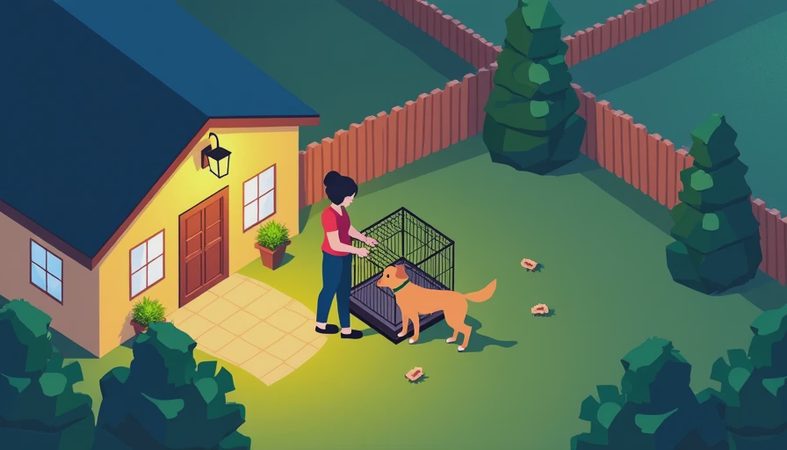
Give the puppy age-appropriate naps. Young puppies often need many hours of sleep, and an overtired puppy can look aggressive, frantic, or impossibly disobedient. A crate or pen can provide a safe nap area when introduced positively. The older dog should not become the puppy's babysitter, disciplinarian, or chew toy.
Separate them for meals and valuable treats. A $20 gate can prevent a $600 emergency veterinary visit, and it also prevents a frightening memory that can make future interactions harder. Supervision means watching, not merely being somewhere in the house while scrolling on your phone.
Know when play is too much
Puppy play is noisy. Chasing, wrestling, and dramatic squeaking are not automatically dangerous. Look for balanced exchanges: the older dog gets a chance to walk away, the puppy pauses when corrected, and both dogs return voluntarily. If only one dog is pursuing and the other keeps hiding, the game is not mutual.
Use a cheerful recall cue to call the puppy away every few minutes. Reward the puppy for coming, then offer a chew or a nap. This teaches that leaving the older dog does not mean punishment or the end of all fun. If the older dog gives a brief warning and the puppy backs off, praise the pause rather than scolding either dog.
Seek qualified help if there is a bite that breaks skin, repeated attacks, resource guarding that cannot be interrupted, or a dog who appears persistently terrified. A veterinarian can also help if pain, arthritis, hearing loss, or vision changes are affecting the older dog's tolerance. A certified veterinary behaviorist or experienced positive-reinforcement trainer can observe the household and build a safer plan.
A realistic first-week plan
On day one, focus on parallel walking, separate meals, and short indoor visits. On days two and three, repeat those sessions while adding brief shared time with no high-value objects around. By days four through seven, you can gradually increase freedom if both dogs are relaxed and responding to interruptions. Keep gates in place even after a good day; progress is rarely perfectly straight.
Introducing new puppy to older dog may take a week, a month, or longer, especially when the resident dog is elderly, anxious, or recovering from illness. A successful outcome might initially look unremarkable: the puppy naps while the older dog eats, both dogs pass through a hallway without tension, or they choose separate beds and remain comfortable. Those are real wins.
Do not measure success by whether they sleep curled together for a photograph. Measure it by safety, recovery after excitement, and the ability to share space without constant management. Every good dog was once someone's "too much," and a puppy who feels overwhelming today can still become a lovely companion with structure and time. Go slowly, protect the dog who was there first, and get help before a manageable problem becomes a crisis.

Letters
No letters yet. Yours could be the first.