The first time a newly adopted dog refuses dinner, it is easy to panic. Is she stressed? Sick? Just being picky? Homemade dog food recipes with chicken can help make mealtime more appealing, especially during the unsettled first weeks in a new home. Chicken is familiar, affordable, and usually easy to cook, but a homemade bowl still needs thoughtful ingredients and sensible portions.
I have used plain chicken as a bridge food for foster dogs who arrived skinny, nervous, or convinced that kibble was suspicious. It can be comforting without turning your kitchen into a full-time canine restaurant. The important thing is understanding where chicken fits, what it cannot provide by itself, and when a veterinarian should be involved.
Start with a safe chicken base
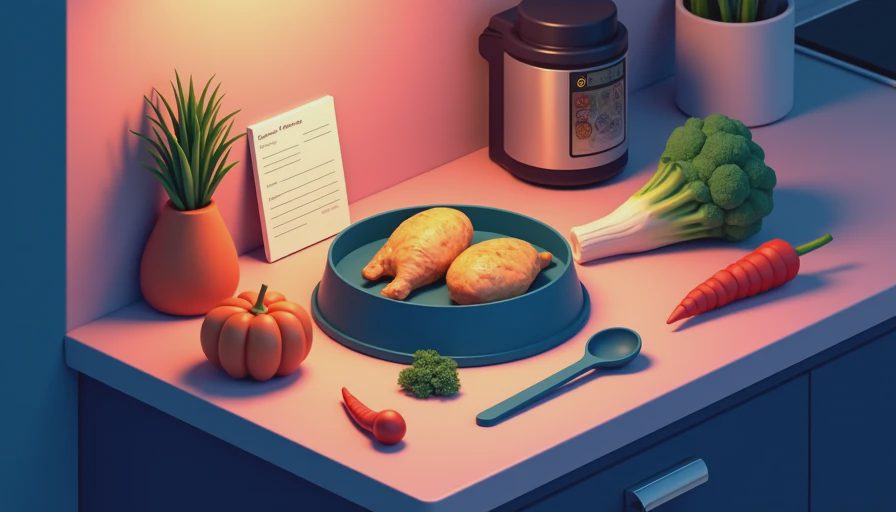
Use boneless, skinless chicken breast or thighs. Boil, bake, or cook the meat in a plain skillet without oil, butter, salt, garlic, onion, seasoning blends, or sauce. Shred it after it cools, and remove every bone. Cooked bones can splinter and cause dangerous blockages or injuries.
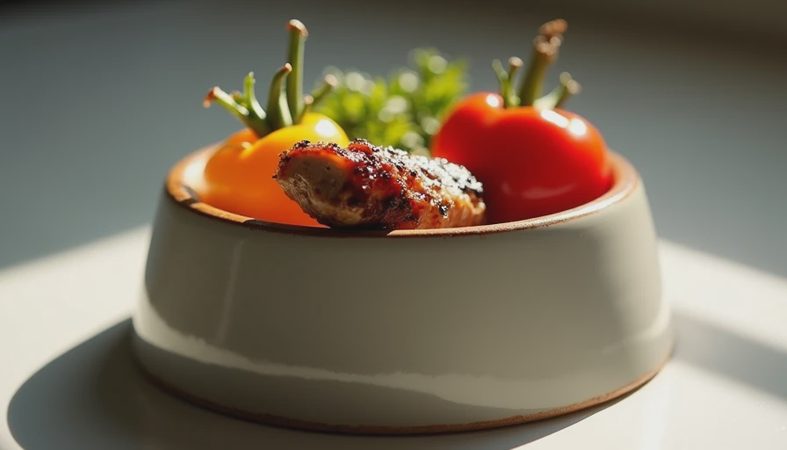
For a simple temporary meal, combine chicken with a carbohydrate such as plain white rice, brown rice, oatmeal, or cooked potato. Add a dog-safe vegetable, including green beans, carrots, pumpkin, or zucchini. Everything should be soft enough to chew and free from gravy, broth with onion, and artificial sweeteners such as xylitol.
A useful starting proportion is roughly one part chicken, one part carbohydrate, and one part vegetable by volume. That is not a complete long-term diet, but it works as a basic meal idea for many healthy adult dogs for a short period. Puppies, pregnant dogs, senior dogs, and dogs with kidney, liver, pancreas, or urinary problems need more individualized nutrition.

Three homemade dog food recipes with chicken
The easiest option is chicken, rice, and pumpkin. Cook one cup of plain chicken, one cup of cooked rice, and half a cup of plain pumpkin puree. Mix thoroughly and refrigerate what you will not serve immediately. Pumpkin can add fiber, but too much may loosen or upset a dog’s stool.
For a chunkier bowl, try chicken, sweet potato, and green beans. Bake or boil a small sweet potato, remove the skin if it is tough, and mash it with shredded chicken and chopped, steamed green beans. This is a good way to use leftovers, provided they were cooked without seasoning. Avoid canned green beans with a high-sodium sauce.
A third choice is chicken with oatmeal and carrots. Cook plain oats in water, let them cool, and fold in finely chopped cooked carrots and chicken. This soft texture can work well for a dog with missing teeth or a sore mouth. Introduce any recipe gradually rather than switching from dry food to a large homemade serving overnight.
How much should you serve?
Portion size depends on a dog’s weight, age, activity, body condition, and the rest of the diet. A tiny Chihuahua and a muscular young shepherd should not receive the same scoop simply because both enjoy chicken. Start with a modest portion and watch for vomiting, diarrhea, bloating, or unusual tiredness.
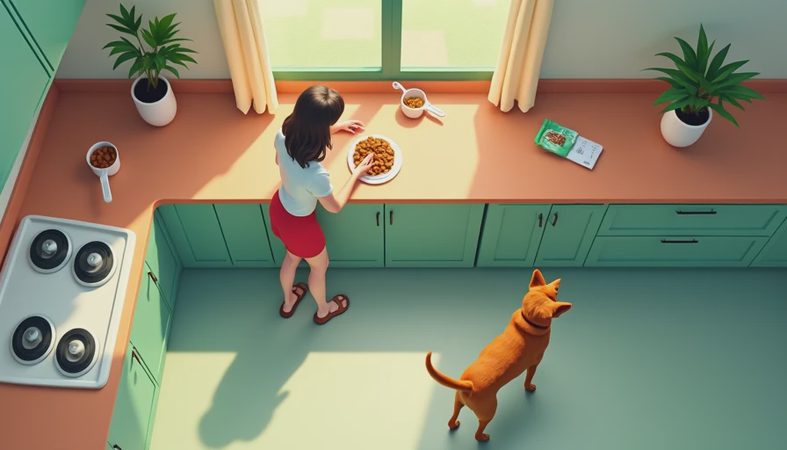
As a general practical approach, use the homemade mixture as a topper first. Add a spoonful to the regular food, then increase over several meals if the dog tolerates it. For a small dog, that may mean one or two tablespoons. A medium dog might begin with a quarter cup, while a large dog may start with half a cup. Those are starting points, not medical prescriptions.
Treat the chicken mixture as part of the daily calorie budget. Extra food can lead to weight gain quickly, especially in a quiet rescue dog who is sleeping more than usual. Measure servings with the same cup each time, and keep treats, chews, and table scraps in the calculation.
Making homemade food nutritionally complete
Chicken, rice, and vegetables are not a complete canine diet over the long term. They can be low or unbalanced in calcium, essential fatty acids, vitamins, and trace minerals. Adding random supplements is not a reliable fix; too much calcium, vitamin D, or another nutrient can also cause harm.
If you want to feed a homemade diet for more than a short transition, ask your veterinarian for guidance or work with a board-certified veterinary nutritionist. A properly formulated recipe may include a specific supplement, exact gram measurements, and adjustments for the dog’s health history. Recipes designed for a healthy adult may be unsuitable for a growing puppy.
This is especially important with rescue dogs because their background is often incomplete. A dog that looks hungry may have parasites, dental pain, food intolerance, or an illness that chicken will not solve. Food can support recovery, but it cannot replace an examination.
Storage, food safety, and common mistakes
Cool cooked food promptly and store it in a covered container in the refrigerator. Use refrigerated portions within a few days, or freeze individual servings for easier meal planning. Thaw food in the refrigerator or warm water, not on the counter for hours. Serve it lukewarm or at room temperature rather than piping hot.
Never use onion, garlic, chives, grapes, raisins, chocolate, macadamia nuts, or xylitol-containing products. Skip fatty chicken skin, greasy pan drippings, spicy leftovers, and heavily salted deli meat. A little plain broth is only appropriate when its label contains no onion, garlic, excessive sodium, or unsafe sweeteners.
One common mistake is assuming that a dog who loves chicken should eat chicken exclusively. Another is changing recipes every day. A nervous dog already has enough variables to process after moving homes. Pick one simple recipe, introduce it slowly, and keep notes about appetite, stool, itching, and energy.
A gentle meal plan for the first week
On day one, offer a small amount of plain chicken beside the dog’s usual food. If the meal stays down and the stool remains normal, add a little rice or pumpkin at the next meal. Over the following days, gradually increase the homemade portion while reducing the old food if you are making a complete transition.
Write down what went into each bowl. When a dog develops diarrhea, that record can help you identify whether the cause was chicken, pumpkin, a new treat, stress, or a sudden change. If vomiting continues, blood appears in the stool, the dog refuses water, or the dog seems weak, contact a veterinarian promptly rather than experimenting with another recipe.
For many adopters, homemade dog food recipes with chicken are most useful as a calm, temporary tool: a topper that encourages eating, a soft meal during a transition, or a way to make a foster dog feel safe. Homemade dog food recipes with chicken can be kind and practical without needing to be elaborate. Homemade dog food recipes with chicken also work best when they support, rather than replace, professional nutrition advice.
Every good dog was once someone's "too much." Sometimes the first small win is not a perfect diet. It is a worried dog finally eating dinner in a quiet corner. Homemade dog food recipes with chicken can help create that win, one plain, carefully prepared bowl at a time.

Letters
No letters yet. Yours could be the first.