If you have been searching how can I foster a dog, you are probably imagining a leash by the door, a shelter dog asleep on your couch, and the possibility of one small life changing for the better. You may also be imagining chewed shoes, mystery accidents, barking at 2 a.m., and a goodbye that makes your chest hurt. All of that can be true. Fostering is generous, but it is not a test of whether you are selfless enough. It is a practical partnership between you and a rescue organization, and the right first foster should fit your actual home.
I have fostered dogs who arrived shut down, frantic, underweight, or convinced that every human hand meant trouble. I have also fostered dogs who settled in by dinner and stole a permanent place in the family. Every good dog was once someone's "too much." Your job is not to fix everything. Your job is to provide safety, observations, and a little time.
Start with the rescue, not the dog
The best answer to how can I foster a dog starts with choosing an organization carefully. Look for a rescue or municipal shelter that explains who pays for veterinary care, medications, food, crates, and emergency treatment. Ask whether you have a dedicated coordinator and what happens if the placement is unsafe with your pets or children.
A reputable group should discuss the dog's known history honestly, including bite incidents, separation distress, house-training, prey drive, car behavior, and medical needs. "We do not know yet" is acceptable. Pretending every dog is easy is not.
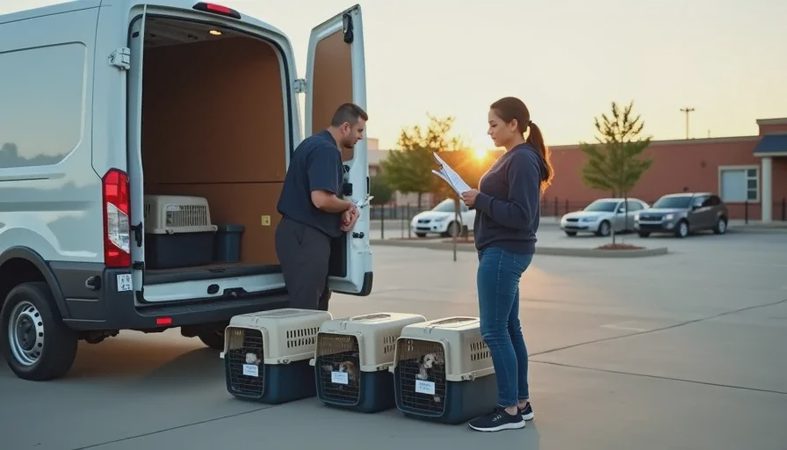
Ask about the expected foster period. It might be ten days while a shelter dog decompresses, or several months for a heartworm treatment plan. Clarify whether you are expected to attend adoption events, answer messages, write a biography, or transport the dog to appointments. Some rescues cover every expense but require receipts; others provide supplies directly. Get the arrangement in writing before pickup.
If a rescue pressures you to take a dog immediately, especially one whose behavior does not match your experience, pause. A thoughtful coordinator would rather lose one placement than create a crisis in your home.
Prepare one safe, boring room
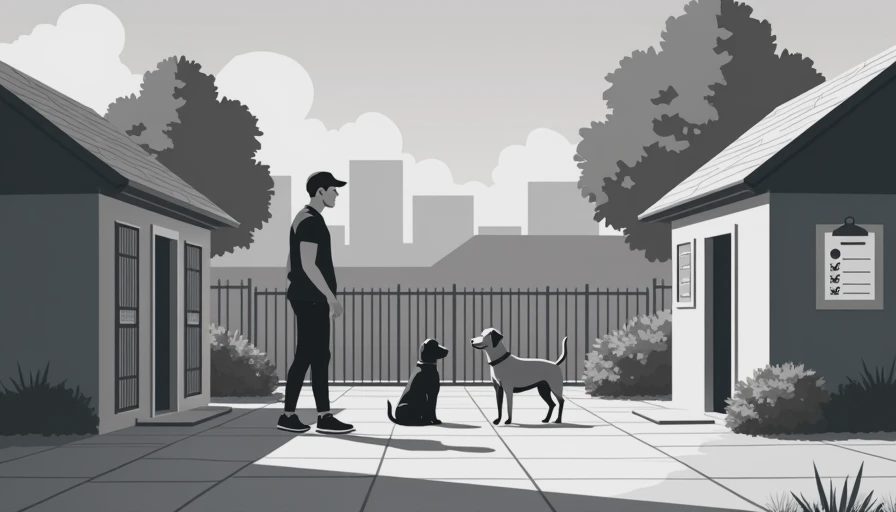
Your first foster does not need a Pinterest-worthy setup. A quiet room, sturdy crate or baby gate, washable bedding, food and water bowls, a leash, collar, identification tag, and enzyme cleaner will take you surprisingly far. Keep ordinary household medication, chocolate, grapes, xylitol products, trash, and loose cords out of reach.
For the first few days, boring is beautiful. Limit visitors, avoid crowded dog parks, and use a secure leash outdoors even if the dog seems friendly. A new arrival may freeze, bolt, or behave differently once the shelter smell fades. Check gates and door latches twice. Many foster failures begin with a dog slipping through an open door during an exciting handoff.
If you already have pets, separate them at first. Exchange bedding, then try parallel walks with two adults before allowing brief indoor contact. Never leave unfamiliar animals together unsupervised. Feed separately and remove high-value chews until you understand the household dynamics.
Before bringing the dog home, photograph your furniture and floors if you are worried about damage. That is not pessimistic; it is sensible. A clear baseline can make an honest conversation with the rescue easier if something breaks.
Build a routine before expecting trust
Dogs coming from shelters or unstable homes often need decompression. That can look like sleeping for eighteen hours, pacing, refusing food, hiding behind a toilet, or suddenly becoming playful after several quiet days. It can also look like a dog who seems perfect in the kennel and panics when left alone in a house.
Keep meals, potty breaks, walks, and bedtime roughly consistent. Use the same short cue for going outside and reward the behavior you want with tiny treats. Do not punish an accident or drag a hiding dog into the middle of the room. Clean thoroughly, lower the stimulation, and report patterns to the rescue.
A simple daily note is more useful than a vague message saying the dog is weird. Record appetite, stool, sleep, energy, interactions with animals, reactions to handling, and time left alone. Write down what happened immediately before barking or growling. These details help the coordinator place the dog responsibly and help adopters understand what support might be needed.
This is another important part of how can I foster a dog: learn to observe without taking every behavior personally. A dog who avoids eye contact is not rejecting you. A dog who guards a bowl is communicating fear or insecurity. That still deserves management, but compassion and safety can exist together.
Know when the match is wrong
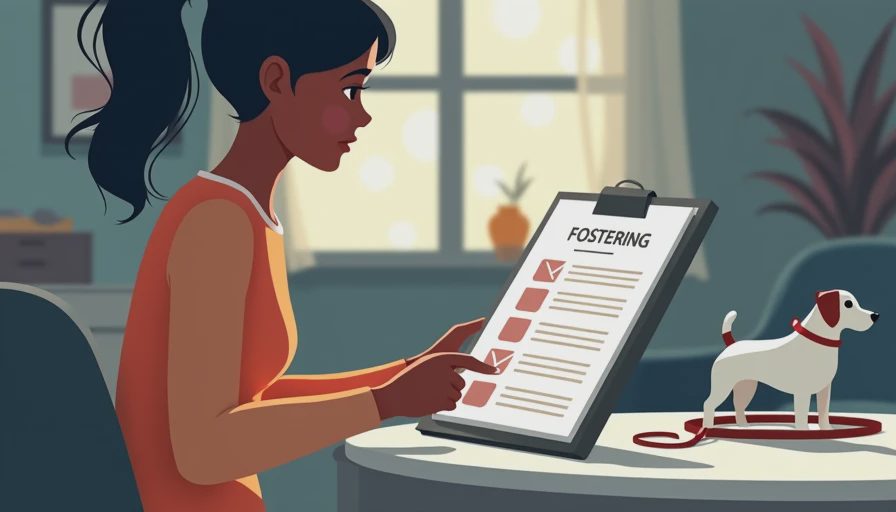
Fostering should stretch your skills, not put people or animals in danger. Contact the rescue promptly about a bite that breaks skin, repeated attempts to escape, serious guarding, escalating fights, severe illness, or behavior you cannot safely manage. Do not wait until you are exhausted and angry.
Returning a foster dog because the placement is unsafe is not betrayal. It gives the rescue information and creates an opportunity for a more suitable foster home. I have had dogs leave my house because my resident animals were stressed, and I have cried in the driveway afterward. The sad ending was still the responsible ending.
Be honest about your limits before accepting a placement. If you work long shifts, do not volunteer for a dog with isolation panic unless the rescue has a concrete support plan. If you have cats, say so clearly. If you cannot handle medication, stairs, vocalization, or a large dog who pulls, those are useful facts rather than character flaws.
Handle adoption conversations with care
Your notes and photos can help a dog find the right home, but avoid promising perfection. Say that the dog sleeps through the night in your current routine, not that the dog never has problems. Mention whether the dog likes car rides, tolerates nail handling, shares toys, and settles after exercise. Specific information protects the dog from another mismatch.
Some organizations let foster families review applications or join meet-and-greets. Treat those conversations as a chance to share observations, not interrogate strangers. Explain the dog's needs plainly: a fenced yard might be helpful, but a calm apartment resident may be a better fit than an active household with three chaotic dogs. The best adopter is not always the person who falls in love fastest.
Prepare yourself for mixed feelings. You can be thrilled about an adoption and heartbroken when the leash disappears from your hallway. Take photos, keep one favorite story, and remember that your temporary care made the next chapter possible. Foster homes are bridges, not waiting rooms.
A realistic first-foster checklist
Before pickup, confirm the rescue contact, veterinary process, supply budget, emergency instructions, and return plan. Prepare a separation area and tell everyone in the home the rules. Introduce resident pets slowly. Keep the first week quiet. Track behavior without embellishing it. Ask for help early, especially before a manageable concern becomes a crisis.
If you are still asking how can I foster a dog, start with an adult dog described as house-trained and comfortable around the parts of your life that matter most. Puppies can be wonderful, but they need frequent potty trips, supervision, socialization, and sleep. A calm adult often gives a first-time foster a clearer learning curve.
You do not need a perfect house, professional training credentials, or unlimited emotional energy. You need honesty, patience, secure doors, and a rescue that will answer the phone. Once you understand how can I foster a dog responsibly, the process becomes less mysterious and much more manageable. The first quiet morning, when a once-frightened dog stretches in a patch of sun, is the kind of victory that stays with you.

Letters
No letters yet. Yours could be the first.