If you have been scrolling adoption listings late at night, you have probably wondered, what is a kill shelter? The short answer is that it is a loaded, informal term for a shelter where some animals are euthanized when they cannot be safely housed, treated, or placed. It is not an official legal category, and it does not tell you whether the people inside care about animals. Usually, it describes a facility facing more animals, medical needs, behavior concerns, or limited space than it can handle.
That explanation is less dramatic than social media posts, but it is much more useful when you are deciding where to adopt. I have volunteered on shelter transport runs and watched staff stay late to bottle-feed kittens, call potential fosters, and comfort dogs nobody had chosen. The situation can be heartbreaking without being simple.
What the term really means
When people ask what is a kill shelter, they are often picturing a place that casually euthanizes healthy animals. That picture is usually incomplete. Shelters use euthanasia for different reasons, including severe illness, untreatable suffering, dangerous behavior that cannot be managed safely, or a shortage of kennels and foster homes. Policies differ widely, and the term itself can be used unfairly to shame municipal shelters.
A more useful distinction is open-admission versus limited-admission. An open-admission shelter generally accepts animals brought to it under local rules, even when the building is full. Many municipal shelters operate this way because they serve a community and cannot simply close intake. A limited-admission rescue may be able to turn animals away when it has no foster home, kennel, or funding available. That can produce different public impressions, but it does not automatically make one group more compassionate than the other.
Some shelters describe themselves as no-kill, often using a live-release goal or standard. That phrase can also hide complexity. A no-kill organization may transfer animals to another facility, require appointments, or have strict intake limits. Neither label tells the whole story.

Why animals end up at risk
Understanding what is a kill shelter also means understanding the pressures behind the label. A shelter can fill quickly after a housing crisis, a large seizure, a seasonal kitten surge, or a stretch of extreme weather. Dogs with kennel cough may need isolation. Cats with ringworm may require weeks of treatment. A friendly senior dog may be passed over while puppies and small breeds receive dozens of applications.
Behavior is another factor. A dog who freezes in a kennel might act completely different in a foster home, but the shelter may not have enough staff to test every dog outside. A cat who swats during a stressful intake exam may need quiet space and time rather than a permanent judgment. At the same time, serious bite history, escalating aggression, or suffering that cannot be relieved can create real safety and welfare limits. Honest rescue work does not pretend that love fixes every case.
Funding matters too. Veterinary care, medication, food, laundry, building repairs, and trained employees cost money. A shelter with a $300 treatment bill for one animal may face several such cases in a week. Donations and foster homes can change the outcome, but they cannot instantly create a safe kennel or qualified handler.
How to evaluate a shelter without relying on labels
If you are trying to decide whether to adopt, look for specific information instead of accepting a viral caption. Ask how the shelter handles owner surrenders, stray holds, medical emergencies, and animals with bite histories. Ask whether a dog has lived in a foster home and what support is available after adoption. A clear answer is more meaningful than a “good” or “bad” label.
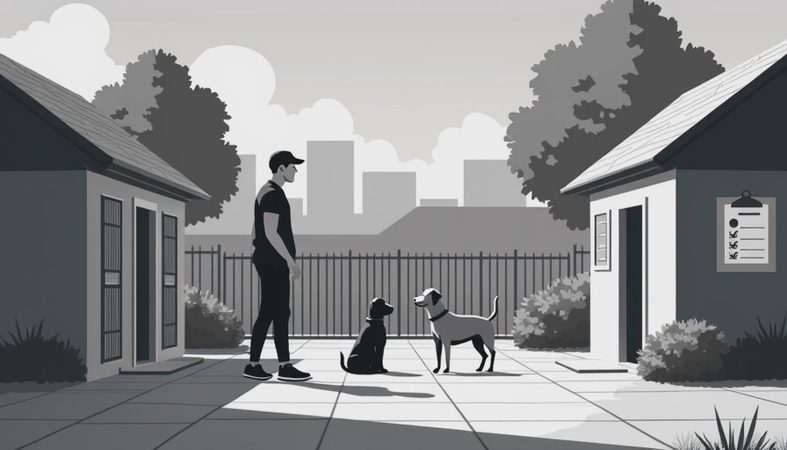
You can also observe the facility. Are kennels reasonably clean? Do animals have water? Are staff willing to explain medical records and behavior notes? A busy shelter may smell like disinfectant and still be doing careful work. One rough afternoon is not enough evidence, especially during an intake surge. Look for patterns in communication and animal care.
Online listings deserve careful reading. “Urgent” can mean a deadline exists, but it can also be a fundraising or networking phrase. Confirm the date, location, adoption requirements, and whether the animal is actually available. If someone says what is a kill shelter and points you toward one specific facility as proof of cruelty, pause and investigate the facility’s intake model first.
What adopting from a high-pressure shelter requires
Adopting from a crowded shelter can be deeply rewarding, but it is not a shortcut to an easy pet. Ask about crate behavior, house-training, resource guarding, leash walking, separation distress, and how the animal behaves around cats, children, and other dogs. If those answers are unknown, treat them as unknown rather than assuming the animal is automatically perfect or dangerous.
Bring practical supplies before pickup: a properly fitted collar, identification tag, secure harness, leash, enzyme cleaner, baby gates, food recommended by the shelter, and a quiet confinement area. Plan a decompression period. Your new dog may sleep for two days, pace for a week, or reveal behavior that was invisible in the kennel. Your new cat may hide behind the washing machine and come out only after midnight.

A return is not automatically a moral failure. If an adoption creates an unsafe situation, worsens existing pet conflict, or exceeds your ability to provide care, contacting the shelter early is responsible. Do not wait until a bite, escape, or crisis forces the decision. Many shelters would rather help with a planned return than receive an animal through an emergency surrender.
Questions to ask before signing an adoption contract
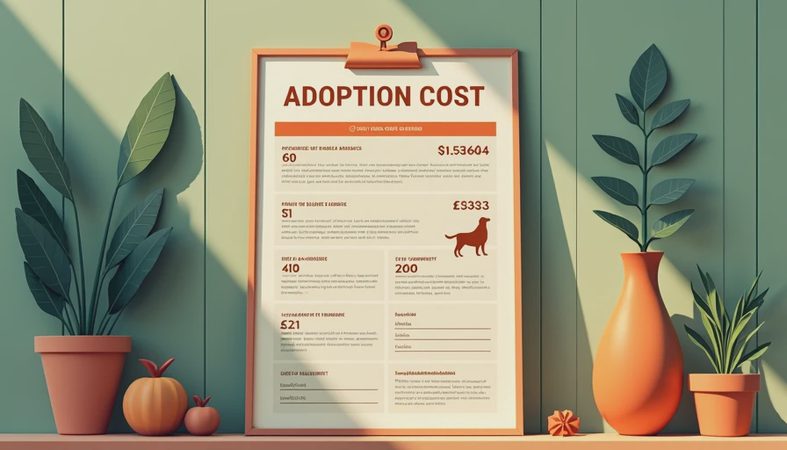
Start with the animal’s medical file. Ask whether vaccines, parasite treatment, spay or neuter surgery, dental work, or medications are complete. Find out which expenses you might face during the first month. A $75 adoption fee can still be followed by a $200 examination, a $40 prescription, or several hundred dollars for an unexpected illness. Pet insurance, a savings account, or a realistic emergency plan can protect both you and the animal.
Then ask about support. Is there a trial period? Does the organization provide a trainer referral? Who should you call after the first night? What happens if the animal is not a fit? Read the contract carefully, especially language about returning the pet, transferring ownership, and contacting the organization before rehoming.
Finally, be honest about your household. If you work ten-hour shifts, say so. If you have a reactive dog, mention it. If your landlord has breed or size rules, verify them before applying. The best match is not the animal with the saddest photograph; it is the animal whose needs your home can meet consistently.
A kinder way to talk about shelters
So, what is a kill shelter? It is usually a shorthand term for a shelter where euthanasia can occur, often because of capacity, health, behavior, or community pressures. It is not a complete description of the staff, the animals, or the choices available to an adopter. Some shelters need foster homes. Others need transport volunteers, medication donations, adopters for adult animals, or simply fewer impulsive surrenders.
You do not have to adopt from the most urgent post to matter. You can choose a mellow adult dog, foster for two weeks, donate a bag of food, or share an accurate listing. If you do adopt, go in with open eyes and a backup plan. Rescue animals are not blank slates, and adopters are not limitless resources.
Every good dog was once someone's “too much.” Sometimes the kindest thing is a committed adoption. Sometimes it is honest support for a shelter until the right home appears. Either way, compassion works best when it includes facts, boundaries, and a plan for the hard days.

Letters
No letters yet. Yours could be the first.