Aggressive behavior dog training is not about turning a rescue dog into a perfectly social butterfly by next Tuesday. It is about safety, clear communication, and helping a dog make better choices without flooding everyone involved. If your newly adopted dog growls at visitors, snaps over a food bowl, or lunges at other dogs, you are not automatically a bad adopter. You have a behavior problem that needs a thoughtful plan.
I have lived through the barking, the carefully timed walks, and the moment when a foster dog made a choice that scared me. The first useful step is replacing panic with information. Aggression is a description of behavior, not a diagnosis or a personality label. Fear, pain, frustration, guarding, overstimulation, and learned habits can all look aggressive.
Start with safety before training
Before practicing any new exercise, prevent situations in which your dog can rehearse lunging, biting, or chasing. Use sturdy doors, baby gates, a secure leash, and a properly fitted harness. If there has been a bite or a credible attempt to bite, a basket muzzle introduced gradually can add protection during walks or veterinary visits. A muzzle should never be used as punishment, and it should not replace distance and supervision.
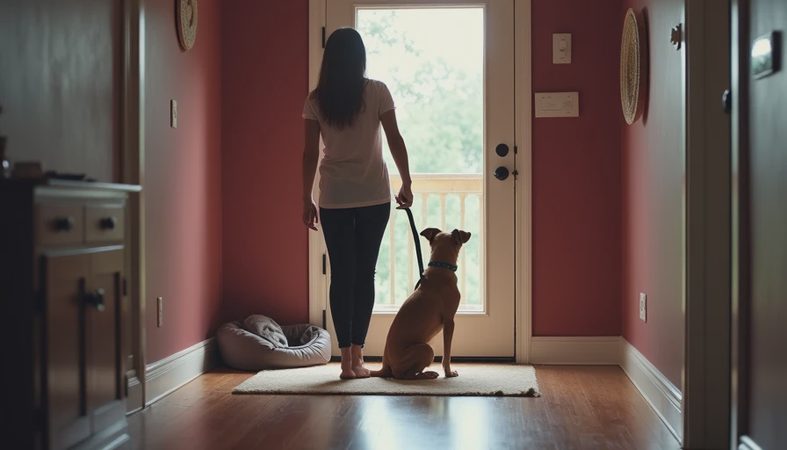
Create a simple household safety plan. Feed the dog behind a closed door, keep children and visiting friends separated during high-risk moments, and remove chews that trigger conflict with other pets. Put a note on the front door asking visitors to text instead of knocking. These changes are not a failure. They are the equivalent of wearing a seat belt while you work on driving skills.
Book a veterinary exam, especially if the behavior appeared suddenly or has become more intense. Dental pain, arthritis, skin discomfort, thyroid problems, and other medical issues can affect behavior. Your veterinarian can also refer you to a veterinary behaviorist when medication or a more advanced assessment is appropriate.
Learn what happens before the reaction
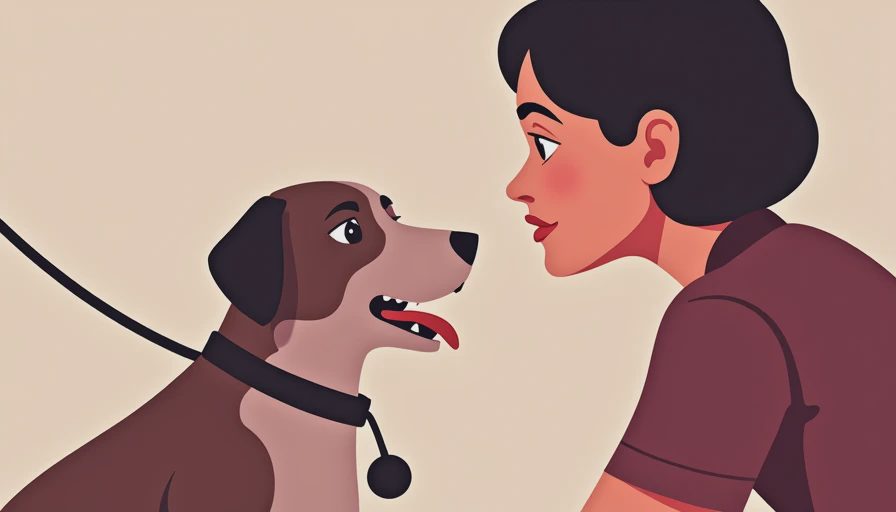
Good aggressive behavior dog training begins with a trigger log. Write down what happened immediately before the reaction, how close the trigger was, what your dog did, and how long recovery took. “Dog barked at the park” is less useful than “A large black dog appeared 30 feet away; Maple stiffened, stared, pulled forward, and needed five minutes to eat treats again.” Details reveal patterns.
Watch for early signals such as a closed mouth, hard stare, lip licking, turning away, raised hackles, freezing, tucked posture, or sudden stillness. A growl is valuable information because it gives you a chance to create space. Do not punish the growl. If you suppress the warning without changing the emotion underneath, you can end up with a dog that skips the growl and goes straight to a snap.
Distance is your most useful training tool. If your dog reacts at 20 feet, start at 40 or 50 feet, where the trigger can be noticed without an explosion. Cross the street, step behind a parked car, or leave the pet store. A successful walk can be three quiet minutes and a safe return home.
Use reward-based behavior changes
The basic exercise is simple: your dog sees a trigger at a workable distance, and you immediately deliver something wonderful, such as chicken, cheese, or a favorite soft treat. When the trigger disappears, the treats stop. Over repeated sessions, the trigger begins to predict good things instead of danger or conflict.
This is not bribery in the dismissive sense. You are changing an emotional association and reinforcing a behavior you want repeated. At first, reward a glance followed by turning back to you. Later, reward a loose leash, a sit, or calmly walking past. Keep sessions short, perhaps five minutes, and stop while your dog is still successful.
Aggressive behavior dog training should not rely on leash jerks, shock collars, alpha rolls, yelling, or physical corrections. Those methods can increase fear and arousal, damage trust, and make warning signals less reliable. A qualified trainer should be able to explain what the dog is learning and show you how to preserve safety without intimidation.
The goal is not to force a greeting. Many dogs never need to play with unfamiliar dogs or welcome every visitor. A peaceful pass on the sidewalk is a perfectly respectable win.

Choose professional help carefully
Look for a certified applied animal behaviorist, veterinary behaviorist, or reward-based trainer with specific experience in aggression cases. Ask what tools they use, how they handle bite risk, and whether they will coordinate with your veterinarian. Be cautious when someone promises a guaranteed cure, describes every problem as dominance, or insists that your dog must endure the trigger until the reaction stops.
A private consultation may cost roughly $100 to $250 or more depending on location and credentials, while veterinary behavior appointments can cost more and may have a waiting list. That expense can feel painful, but one well-planned session can prevent months of random advice, damaged equipment, and dangerous setbacks. Some trainers offer virtual coaching for management and follow-up, though hands-on help is valuable when handling or muzzle skills are involved.
Bring your trigger log, veterinary records, videos captured from a safe distance, and a list of household routines. Do not stage a reaction for the professional. They can learn plenty from your description without putting anyone at risk.
What progress actually looks like
Progress in aggressive behavior dog training is rarely a straight line. One week may bring calmer walks, followed by a rough day after a thunderstorm, a sleepless night, or an unexpected off-leash dog. Measure improvement by recovery time, trigger distance, body softness, and your ability to make safe choices. A dog who once needed 100 feet may eventually manage 40 feet, then pass behind a parked car without lunging.
Keep a backup plan for bad days. Walk at quieter times, use food puzzles indoors, practice nose work in the yard, and give your dog a decompression day after a stressful event. Exercise can help, but exhausting a fearful dog is not a cure. Sleep, predictable routines, and enrichment that does not create competition are part of the treatment picture.
If your dog has bitten, repeatedly escaped equipment, redirected onto a person, or cannot stay below a reaction threshold, increase management immediately and seek professional help. Rehoming can sometimes be the responsible choice when a household cannot safely meet the dog’s needs. That decision deserves honesty, not shame.
A realistic first-week checklist
On day one, schedule the veterinary appointment and identify every known trigger. On day two, install gates, secure leashes, and feeding barriers. On day three, teach a cheerful hand target indoors using tiny treats. On day four, practice moving away from a low-level distraction. On day five, review your trigger log and adjust distance. On day six, contact a qualified professional. On day seven, take a quiet inventory of what felt safer and what still needs work.
Aggressive behavior dog training is a process of reducing risk while building trust and useful habits. You do not have to prove that you can handle everything alone. Every good dog was once someone's “too much,” but compassion includes boundaries, skilled support, and protecting the people and animals in your home. Start small, celebrate the unglamorous wins, and let safety guide the next step.


Letters
No letters yet. Yours could be the first.